I never told my parents that my grandmother left me ten million dollars. To them, I was just the “extra” child, forever behind my perfect sister. – Story
My name is Eleven Davis. Yes, it’s on my birth certificate. My parents were expecting a boy. When I arrived on November 11th, thirteen months after my perfect sister Raven, they wrote “Eleven” as a placeholder—and never changed it.
For the first ten years of my life, I lived with my grandmother, Martha. My parents were “busy” building my father’s architecture firm and managing Raven’s dance career. Grandma raised me in a small cottage filled with books and lavender. She told me I shone in ways that scared small-minded people.
When I was sixteen, she died suddenly. On her deathbed, she pressed a locket into my hand and whispered about a hidden metal box, an account number, and a ten-million-dollar trust that would activate when I turned eighteen. “Tell no one,” she said. “Survive.”
I did.
Moving back home meant the attic bedroom, hand-me-down clothes, and endless reminders that I was the extra child. Raven had trophies. I had chores. I counted down the days until I turned eighteen and could disappear.
The fire came three weeks before my birthday.
Faulty attic wiring sparked in the middle of the night. I woke to smoke and flames. The door had warped shut. I heard my parents downstairs.
“Get Raven!” my father shouted.
The front door slammed.
I smashed the window and jumped.
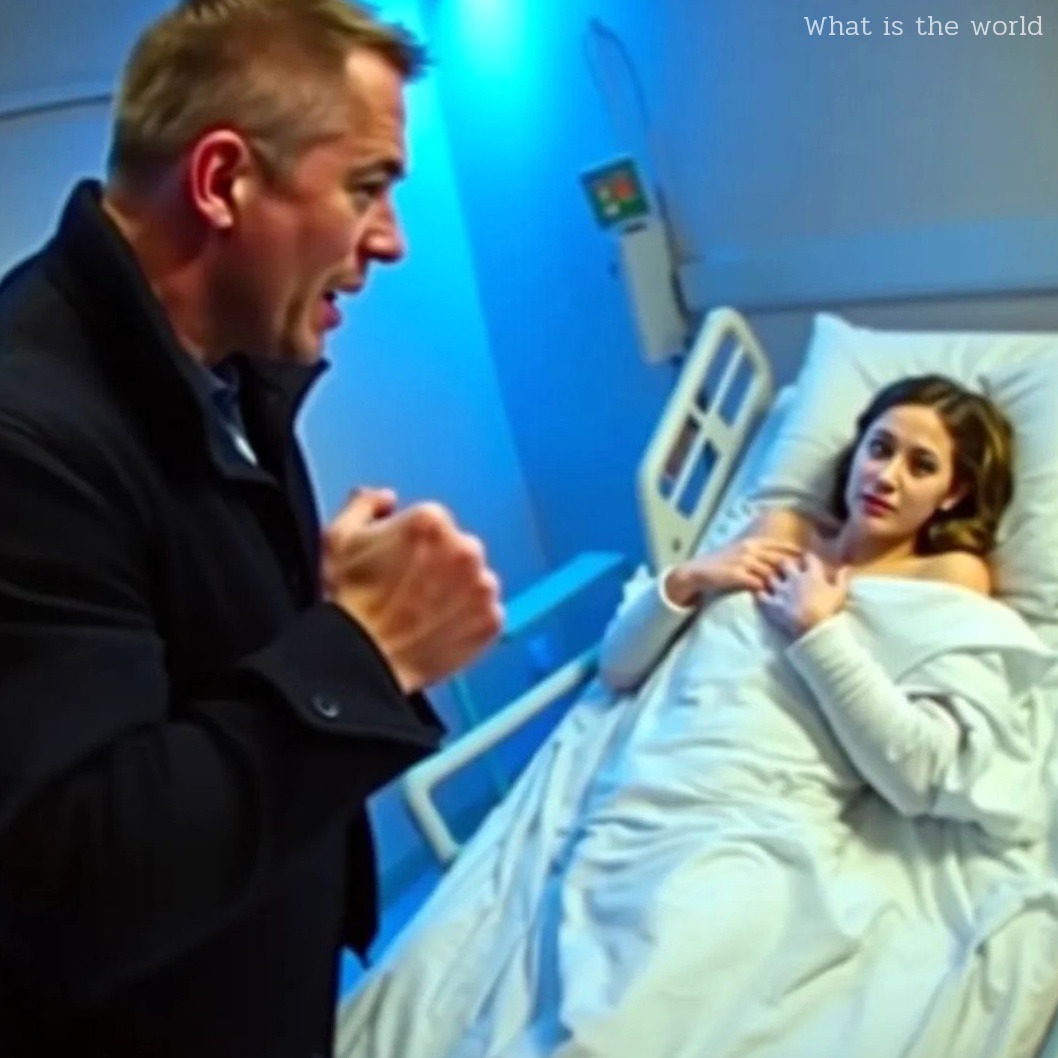
When I woke in the ICU, I couldn’t move or open my eyes, but I could hear everything. Raven lay beside me, also critical. The doctor explained that insurance would only cover advanced life support for one of us. The second would require an astronomical out-of-pocket payment.
Silence.
“Raven is a dancer,” my mother said steadily. “She has a future.”
“And Eleven?” the doctor asked.
“She’s always been the extra one,” my mother replied.
My father hesitated, then said, “Save Raven.”
I heard the pen sign the order. My oxygen flow slowed. I felt myself slipping into darkness.
Then the ICU doors burst open.
“Stop this immediately!”
Arthur Sterling—my grandmother’s lawyer—stormed in. He ripped up the consent form and announced he held medical power of attorney over me. “You have no authority to terminate my client’s life,” he told my parents coldly.
“My client is the sole heir to a ten-million-dollar trust,” he added. “And if she dies, every cent goes to charity. You receive nothing.”
The room went silent.
I was transferred to the hospital’s VIP suite. Specialists were flown in. The best equipment money could buy breathed for me until I could breathe myself.
I woke a week later to sunlight and silence instead of machines and whispers.
My parents eventually forced their way into my room, masks of concern already in place. When they learned the trust was real—and untouchable by them—their grief turned to rage.
“You owe us,” my mother hissed. “We raised you.”
“You left me to burn,” I answered.
Sterling had them removed.
Recovery took months. During that time, their world collapsed. The fire insurance was denied due to faulty wiring. Medical bills for Raven piled up. The house was sold. My father’s firm faltered. Bankruptcy followed.
But Raven was still a victim of the same parents.
“What happens to her?” I asked Sterling.
“Without payment, she’ll be transferred to a state facility,” he said.
I wasn’t my parents.
“Pay her medical bills,” I told him. “Anonymously.”
We created the Phoenix Foundation. Raven never knew it was me.
A year later, I stood on a balcony in the Swiss Alps, scars faded to silver lines. Sterling emailed updates: my parents divorced and disgraced, my mother trying to sell a story no one believed.
Attached was a letter from Raven to the anonymous benefactor.
I’m dancing again. Not like before, but I’m moving. I’m leaving home when I turn eighteen. I don’t want to be like them. Thank you.
I closed the laptop and looked at the mountains.
They had tried to unplug my life to save money. They treated me like an extra line item in a budget.
But my grandmother had seen me differently. She built me a shield—and a future.
I was the extra child.
And in the end, I was the one who survived.




Post Comment