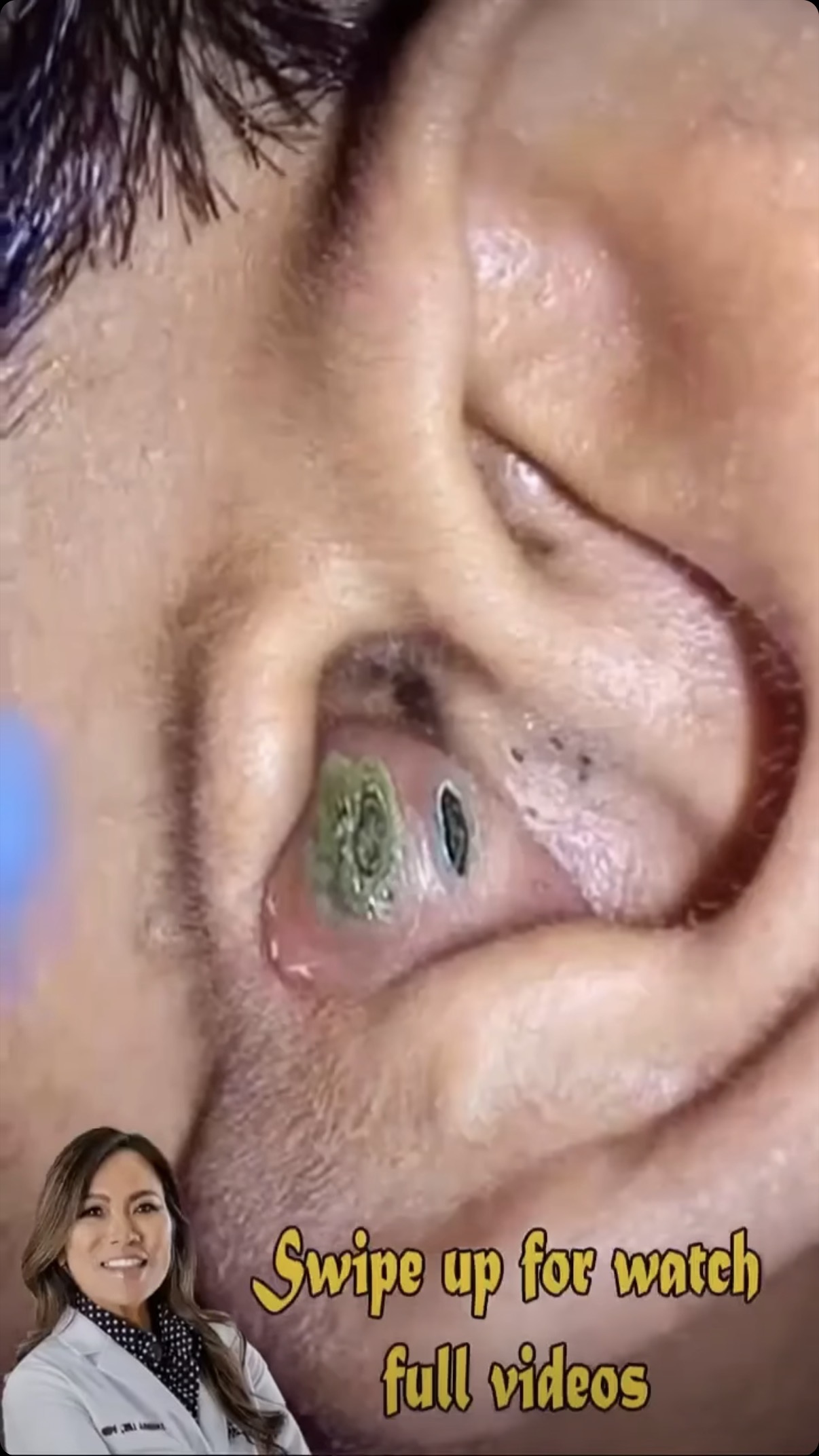
Never Try to Pop a Pimple Yourself at Home
Pimples are a common skin problem that almost everyone experiences at some point. When a red bump suddenly appears on your face, the first instinct is often to squeeze or pop it to make it disappear quickly. However, dermatologists strongly warn against popping a pimple at home, because doing so can make the situation worse rather than better.
A pimple forms when a pore becomes clogged with oil, dead skin cells, and bacteria. This blockage creates inflammation under the skin, leading to the familiar red bump that many people want to get rid of immediately. While it may seem like squeezing the pimple will remove the problem, the pressure can actually push bacteria and debris deeper into the skin.
One of the biggest risks of popping a pimple yourself is infection. When you squeeze the skin with your fingers or nails, you can introduce more bacteria into the open pore. This can cause the pimple to become more inflamed, painful, and swollen. In some cases, the infection can spread and lead to even more breakouts nearby.
Another serious concern is scarring. The skin on your face is delicate, and aggressive squeezing can damage the surrounding tissue. This damage may leave permanent scars or dark spots that can last for months or even years. Ironically, the attempt to remove a small pimple quickly can result in marks that are far more noticeable and difficult to treat.
Popping a pimple can also slow down the natural healing process. Instead of allowing the skin to repair itself, squeezing disrupts the tissue and prolongs inflammation. As a result, the pimple may take longer to disappear than it would have if it had been left alone.
If you notice a pimple forming, the best approach is to keep the area clean and avoid touching it. Washing your face gently, using non-comedogenic skincare products, and applying targeted acne treatments can help reduce inflammation and speed up healing. Over-the-counter treatments containing ingredients like benzoyl peroxide or salicylic acid are commonly recommended for mild breakouts. For larger or painful pimples, it is safer to consult a dermatologist. Professionals have sterile tools and proper techniques to treat clogged pores without causing unnecessary damage to the skin.
In the end, patience is often the best solution. While it may be tempting to pop a pimple for a quick fix, resisting the urge can help protect your skin from infection, scars, and long-term damage. Sometimes the best thing you can do for your skin is simply leave the pimple alone and allow it to heal naturally.






Post Comment