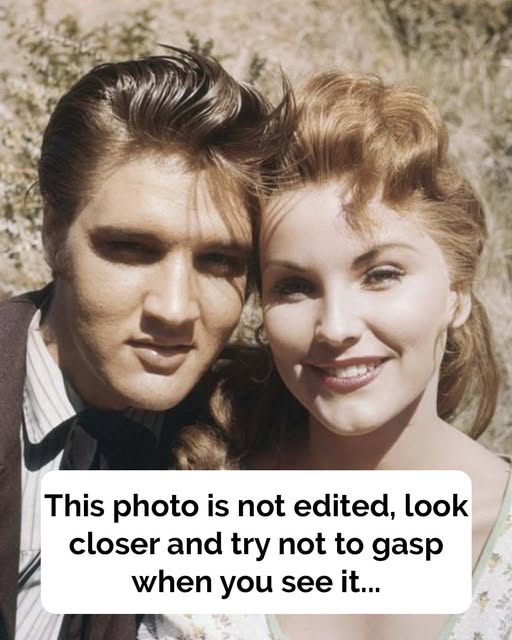
Love Me Tender facts: The Elvis detail you didn’t catch…The comments might have a hint
Love Me Tender is now fully available on YouTube, giving fans and newcomers alike the chance to experience Elvis Presley’s big-screen debut. Watching it for the first time is a reminder that Elvis wasn’t just the King of Rock ‘n’ Roll—he possessed a combination of talent, charisma, and charm that transcended music alone. From his incredible singing voice to his natural acting ability, captivating dance moves, and timeless good looks, Elvis proved he was a true star in every sense.
Released in 1956, Love Me Tender blends romance, drama, and Western flair, set during the Civil War. Elvis played Clint Reno, the youngest of the four Reno brothers, loosely inspired by the infamous Reno Gang of Indiana, known as pioneers of train robbery in the 1860s. Originally, the film was titled *The Reno Brothers*, but the name was changed to capitalize on the popularity of the song “Love Me Tender,” which Elvis co-wrote (though his contributions were minimal, mostly involving royalty rights). The title song itself is based on the Civil War-era ballad “Aura Lee” and became an instant hit, topping charts for five weeks after Elvis debuted it on *The Ed Sullivan Show*.
Elvis’ acting debut was anything but straightforward. He wasn’t originally meant to have a leading role—actors Jeffrey Hunter and Robert Wagner had turned it down—but the producers added extra scenes to highlight Elvis’ presence after three days of screen tests. He was third-billed behind Richard Egan and Debra Paget but approached the role seriously, memorizing all lines and immersing himself in the character. Producer David Weisbart praised him as “humble, polite, and very serious about acting,” noting his dedication despite having no formal training.
On set, several unexpected moments added both charm and humor. Elvis wasn’t supposed to sing, but he broke into song minutes after his first on-screen appearance, performing in a scene reminiscent of a 1950s concert—complete with screaming fans—far from historically accurate for the 1860s setting. Behind-the-scenes trivia also includes small continuity errors and amusing bloopers, such as soldiers using zippers before they were invented, anachronistic cars appearing in background shots, and guitar sounds continuing after Elvis had taken his hands off the instrument.
One notable story involves Debra Paget, who played Cathy Reno. She left a lasting impression on Elvis, and their relationship was reportedly affectionate though largely family-oriented rather than romantic. Elvis admired her so much that he later proposed, but her parents refused, and she eventually married Howard Hughes. Paget’s influence extended beyond their brief time together: Priscilla Presley reportedly copied her hairstyle from the film years later to capture Elvis’ attention.
The film’s ending was altered after Elvis’ mother and fans protested the original tragic conclusion, in which Clint Reno dies. Producers added a silhouette of Elvis singing the title song over the credits to create a more uplifting finish, which resulted in a minor continuity error—his hair appeared darker due to a dye change.
Overall, Love Me Tender provides a fascinating glimpse into Elvis’ early career and enduring star power. From historical inspiration and unexpected on-screen singing to behind-the-scenes dedication, humor, and fan hysteria at the premiere, the film highlights his unique combination of talent, charm, and cultural impact. It remains a must-watch not only for music enthusiasts but also for anyone interested in classic Hollywood history and the beginnings of a global icon.





Post Comment