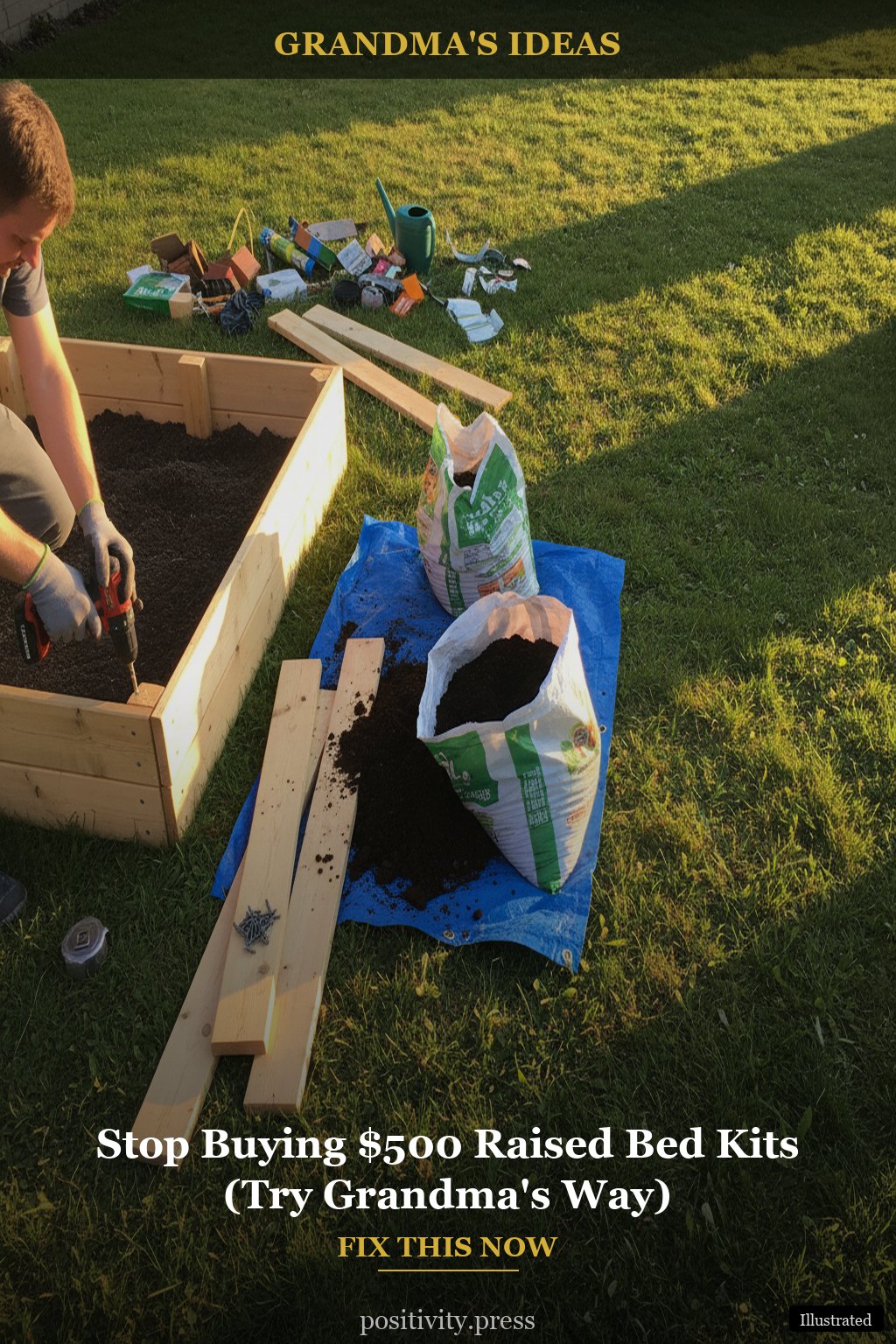
5 Ways Grandma’s Raised Bed Garden Crushes Modern $500 Kits
What You’ll Need
To get started on embracing Grandma’s raised bed garden methods, gather the following items:
- Wood or bricks for building the raised bed
- Quality soil (preferably organic and nutrient-rich)
- Compost or well-rotted manure
- Seeds or seedlings of your choice
- Garden tools (shovel, rake, hoe)
- Watering can or hose
These simple items are all you need to jumpstart your journey into Grandma’s efficient gardening world.
Companion planting can increase vegetable yield by 20-30% without extra effort.
1. The Power of Soil Quality
Modern methods often overlook the importance of soil quality. Grandma always said, “Healthy soil leads to healthy plants.” Instead of using synthetic fertilizers, she focused on enriching the soil naturally.
To replicate Grandma’s success, start by creating a rich soil mix using compost and organic matter. This helps retain moisture and provides essential nutrients for your plants.
Quick Tip: Layering your raised bed with leaves, kitchen scraps, and soil creates a nutrient-rich environment that modern methods often lack.
2. Companion Planting for Increased Yields
Did you know that companion planting can increase vegetable yield by 20-30% without extra effort? Many modern gardeners ignore this simple technique. Grandma, however, always paired plants that benefit each other.
For instance, planting tomatoes alongside basil not only enhances the flavor of the tomatoes but also helps repel pests. Take a cue from Grandma and design your garden layout to include these partnerships.
If you only do one thing, make it this: Research companion plants that thrive together in your garden!
3. Watering Wisely
Today’s gardening trend often emphasizes high-tech irrigation systems. But Grandma had a simpler approach — she always used a watering can to water her raised beds. It allowed her to water deeply and efficiently, ensuring each plant received the right amount of moisture without drowning.
By watering at the base of the plant and avoiding overhead watering, you can prevent diseases and conserve water. This old-fashioned trick saves both time and resources.
Pin this — you will come back to it more than once
Quick Tip: Water in the early morning or late afternoon to minimize evaporation!
4. Pest Management the Natural Way
Modern pest control often relies on chemical sprays that can harm beneficial insects and the environment. Grandma had her own ways of managing pests without these toxic solutions. She utilized plants like marigolds to deter pests and encouraged beneficial insects.
Instead of reaching for a chemical spray, consider planting pest-repellent flowers around your vegetables. Not only does this enhance your garden’s beauty, but it also creates a natural ecosystem.
Nobody talks about this step:
Encourage ladybugs and lacewings by planting flowers like dill and fennel!
5. Seasonal Planting and Crop Rotation
Modern gardening often promotes year-round planting in a single space, but Grandma understood the importance of letting the soil rest and rotating crops. This method prevents depletion of nutrients and reduces pests and diseases.
Plan your garden to include seasonal planting and rotate your crops annually to maintain soil health. This method not only benefits your plants but also keeps your gardening practices sustainable.
This is the trick that changes everything: Keep a simple gardening journal to track what you plant and where!
Grandma’s Favorite Tool for This
If you want to make this even easier, simple tools like raised bed liner can save time and money without any extra effort. They help retain moisture and keep your soil intact, making Grandma’s methods even more effective.
Estimated savings: $50–$100 per project (vs $200+ retail for modern gardening setups)
What Grandma Would Do Differently
Grandma would remind us that gardening is about patience and love. Instead of rushing to use modern, expensive tools, she would suggest sticking with what you have and making the most of it. She often used recycled materials for her raised beds, proving that you don’t need fancy equipment to grow a beautiful garden.
Moreover, Grandma valued the connection between gardening and family. She would encourage you to involve your children in the planting process, teaching them about nature and responsibility while creating lasting memories together.
So, when you think about your garden, remember: it’s not just about growing food, but also about nurturing relationships and appreciating the simple joys of life.
Conclusion
Returning to Grandma’s raised bed garden methods offers a cozy, nostalgic way to connect with our roots while effectively growing our own food. With a focus on natural materials, companion planting, and sustainable practices, you can cultivate a garden that flourishes the way Grandma would have wanted. So why not try one of these methods this weekend?
Choose one and give it 15 minutes this weekend!
You might also enjoy: gallery wall layout ideas
You might also enjoy: holiday recipes passed down generations



Post Comment