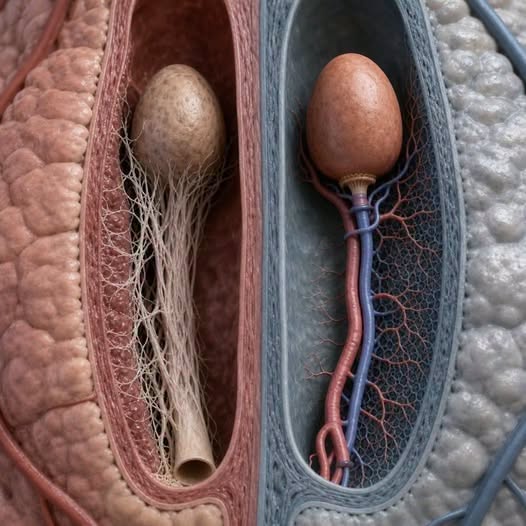
Were you aware that older men have the pe…See more
As men grow older, their bodies experience several natural changes. While wrinkles, gray hair, and reduced muscle mass are widely discussed, changes involving the penis and testicles often receive much less attention.
Many men are surprised to discover that aging can affect the appearance, size, sensitivity, and function of their reproductive organs. But what exactly happens, and which changes are considered normal?
What Happens to the Penis as Men Age?
With advancing age, blood circulation, hormone levels, and tissue elasticity may gradually change. These factors can influence erectile function and sometimes the appearance of the penis.
Some men notice that their penis appears slightly smaller than it did during their younger years. This can result from changes in tissue elasticity, reduced erectile firmness, or increased fat around the pubic area.
However, significant penile shrinkage is not an inevitable part of aging, and experiences vary considerably between individuals.
The Surprising Changes in Testicles
The testicles can also undergo changes as men get older. Testosterone production often declines gradually, although the rate differs from person to person.
In some men, the testicles may become slightly smaller over time. The skin of the scrotum may also lose elasticity, causing it to hang lower than before.
These changes are often associated with natural aging, but sudden swelling, pain, lumps, or noticeable changes in one testicle should always be evaluated by a healthcare professional.
Does Aging Affect Sexual Performance?
Age-related changes in blood vessels, hormones, and overall health can influence sexual function. Some older men may need more time to achieve an erection or notice changes in firmness and recovery time.
Nevertheless, aging does not automatically mean losing the ability to enjoy a satisfying sex life.
Regular exercise, adequate sleep, balanced nutrition, and management of conditions such as diabetes and high blood pressure can support sexual health.
One Important Fact Many Men Don’t Know
Although testosterone levels often decline with age, this does not mean every older man develops a medical testosterone deficiency.
Doctors generally assess symptoms alongside appropriate blood tests before diagnosing low testosterone. Treatment is not necessary or appropriate for everyone.
When Should Men Be Concerned?
Gradual changes may be part of normal aging, but certain symptoms should not be ignored. Persistent erectile difficulties, testicular pain, new lumps, sudden changes in size, or urinary problems deserve medical attention.
Some symptoms may be related to treatable conditions rather than aging itself.
The Bottom Line
So, is it true that older men experience changes in their penis and testicles?
Yes. Aging can affect the appearance and function of male reproductive organs, but these changes are not identical for every man.
Understanding what is normal and recognizing potential warning signs can help men protect their health and maintain confidence as they age.
Ultimately, staying informed, maintaining healthy habits, and seeking medical advice when necessary are more important than worrying about age-related myths.






Post Comment