“You seem to… ” 😳😳
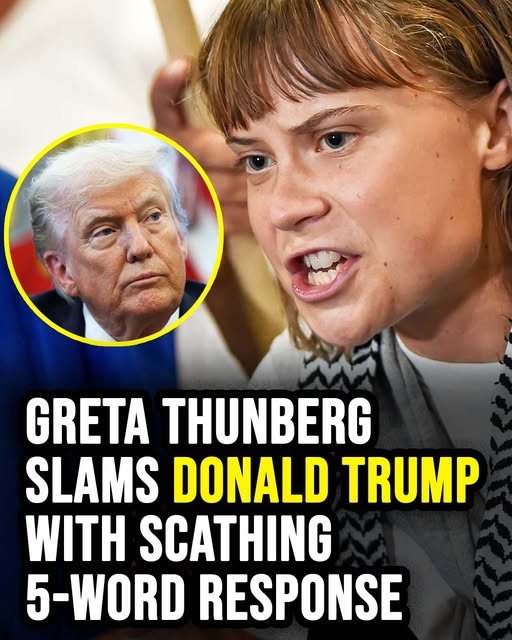
Greta Thunberg and Donald Trump have once again clashed publicly after Thunberg was detained and deported by Israeli authorities while joining a flotilla aimed at breaking the Gaza blockade. Greeted by supporters in Athens, Thunberg emphasized solidarity and thanked volunteers. Her presence on the flotilla sparked widespread reactions across global media and social platforms.
Shortly after, Trump criticized Thunberg, calling her a “troublemaker” and suggesting she had anger issues and should seek professional help. He claimed she had shifted away from environmental causes in favor of disruption. Critics viewed this as a continuation of his past mockery; supporters believed he was highlighting what they see as performative activism.
Thunberg replied with a sarcastic Instagram post thanking Trump for his concern and inviting his advice on managing anger—implying, with dry humor, that he might be well-versed in the subject. Her response went viral, reinforcing her reputation for turning criticism into momentum without escalating confrontations.
The social media exchange drew attention back to their long-standing rivalry, which began in 2019 following Thunberg’s powerful UN climate speech. Since then, their communication styles have remained consistent: Trump uses blunt, repetitive jabs; Thunberg counters with understated but pointed responses that resonate online.
This incident also reflects generational and ideological divides. Thunberg’s activism links climate and social justice in ways that appeal to younger audiences, while Trump’s critique channels skepticism toward youth-led movements and protest culture. Their exchanges symbolize deeper tensions over values, methods, and visions of public life.
Ultimately, both figures benefit from the spotlight such encounters create—energizing their respective audiences. While it’s unclear if such moments lead to tangible change, they continue to shape how global conversations on activism and dissent unfold. Their interactions highlight the power of tone, timing, and strategy in modern public discourse.






Post Comment