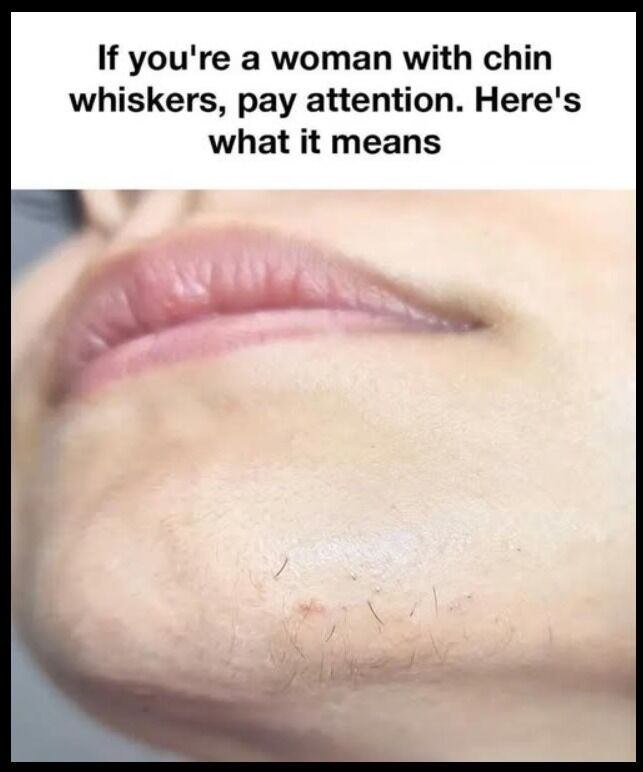
The Science Behind Chin Hair Growth
Facial hair, especially on the chin, is a natural part of the human body for both men and women. However, the growth, thickness, and visibility of chin hair can vary greatly from person to person. This variation is largely influenced by the natural hair growth cycle and hormonal activity—particularly androgens, which are male hormones present in both sexes.
**The Hair Growth Cycle**
To understand why chin hair grows the way it does, it’s important to know the three key stages of the hair growth cycle:
1. **Anagen (Growth Phase):** This is the most active phase of hair growth. During the anagen phase, the hair follicle is directly connected to its blood supply, which provides essential nutrients and oxygen that fuel hair production. This phase can last for several months or even years, depending on genetics. The longer the hair remains in this phase, the longer it can grow.
2. **Catagen (Transitional Phase):** This is a short, transitional period that typically lasts about 2–3 weeks. During the catagen phase, hair growth stops, and the follicle begins to shrink. The hair detaches from the blood supply, signaling the end of active growth.
3. **Telogen (Resting Phase):** The final stage is the telogen phase, which usually lasts a few months. In this phase, the hair follicle rests and prepares to shed the existing hair. After the hair falls out, a new hair begins to grow in its place, restarting the cycle.
**Hormonal Influence: Why Chin Hair Becomes Noticeable**
While everyone has facial hair to some degree, noticeable chin hair is often influenced by **androgens**, a group of hormones that includes testosterone. These hormones are present in both men and women, though at different levels.
In women, increased levels of androgens—or a heightened sensitivity to them—can cause excess facial hair growth, a condition known as **hirsutism**. This can be the result of natural hormonal changes, such as those during puberty, pregnancy, or menopause, or due to medical conditions like Polycystic Ovary Syndrome (PCOS) or adrenal disorders.
Even in the absence of a medical condition, some women may experience sporadic chin hair growth due to genetics or aging. As estrogen levels decrease with age, especially after menopause, the balance between estrogen and androgens shifts, potentially making facial hair more prominent.
**Conclusion**
Chin hair growth is a natural and complex process influenced by the cyclical nature of hair development and the effects of hormones, particularly androgens. If chin hair growth becomes sudden or excessive, it’s wise to consult a healthcare provider. Often, underlying hormonal imbalances can be managed with medical support. For others, chin hair is simply a cosmetic concern, and various removal methods—like tweezing, waxing, or laser treatment—are available to manage it based on personal preference.






Post Comment