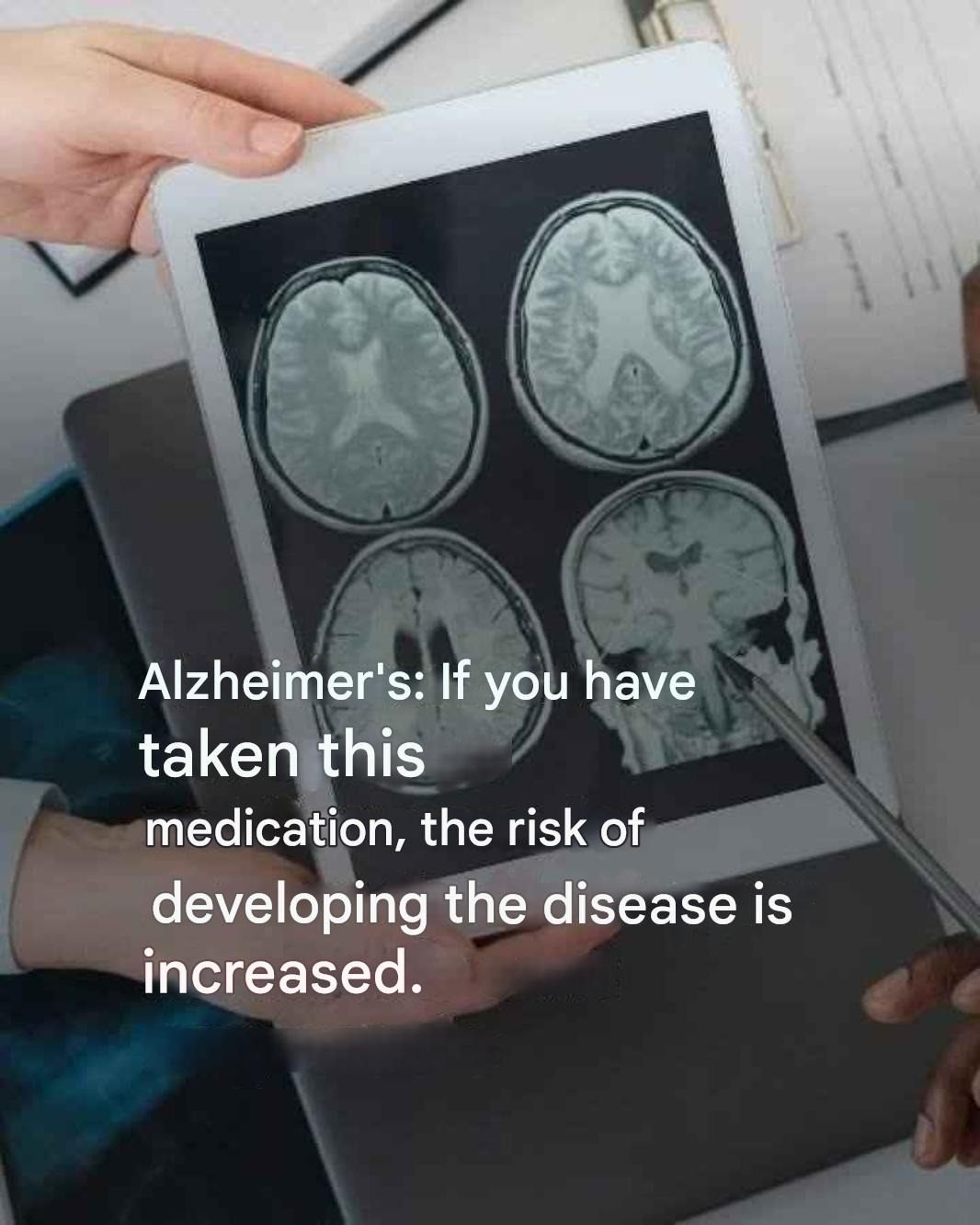
Alzheimer’s: These 6 habits increase the risk without you knowing it
1. Poor cardiovascular health
Numerous studies have shown that cardiovascular problems contribute to the development of Alzheimer’s disease. High blood pressure, high cholesterol, and obesity also increase the risk of cognitive decline. When the brain is poorly perfused, it receives less oxygen and essential nutrients for proper functioning.
To reduce this risk, it is advisable to adopt a balanced diet, engage in regular physical activity, reduce salt intake, and limit processed foods. The heart and brain are more closely linked than we realize.
2. Chronic Stress and Sleep Disorders
Stress, often trivialized, is a factor that should not be underestimated. In cases of prolonged stress, cortisol levels (the stress hormone) remain elevated. This hormone damages brain cells and impairs memory. Therefore, poorly managed stress can, in the long term, contribute to the development of Alzheimer’s disease.
Added to this is the issue of sleep. During the night, the brain “cleanses” itself, notably by eliminating beta-amyloid proteins, responsible for the plaques characteristic of the disease. Poor sleep—in quantity or quality—disrupts this natural process and weakens the central nervous system.
3. Lack of cognitive stimulation and isolation
Our brain is an organ that needs to be stimulated. Without regular intellectual activity, neural connections weaken. Reading, learning, playing, discussing: all of these help maintain brain circuits and strengthen what is called “cognitive reserve”.
Alzheimer’s disease hits people who are socially or intellectually isolated harder. Prolonged loneliness increases the risk of depression, itself a recognized aggravating factor. Maintaining social connections and stimulating activities is therefore essential at any age.
4. Tobacco, Alcohol, and Head Injuries:
Smoking and excessive drinking are not only harmful to general health but also to the brain. Tobacco impairs blood circulation and increases oxidative stress, which damages brain cells. Alcohol, in large quantities, impairs memory and can cause lasting damage.
Another factor too often overlooked is head trauma. Studies have shown that people who have suffered a head injury—with loss of consciousness—have a higher risk of developing Alzheimer’s disease later in life. Wearing a helmet while cycling, or securing your home environment, is far from trivial.
Alzheimer’s: simple steps for a healthy brain
Even though there is still no cure for Alzheimer’s, it is possible to take preventative measures. Changing certain habits, reducing risky exposures, and maintaining memory and overall health can truly make a difference. Far from being inevitable, Alzheimer’s disease can be delayed, or even prevented, through a healthier lifestyle.






Post Comment