5 Bread Tips That Cut My Loaf Cost to $0.80 (No Special Tools)
Grandma always said, ‘Good bread starts at home.’
When Grandma walked into my kitchen one chilly afternoon, she shook her head and said, ‘Here is what you are doing wrong.’ I had just spent a small fortune on fancy breads from the bakery. I was tired of those little loaves that barely lasted two days and cost me nearly $5 each. I looked at the ingredients and thought, surely I could do better. Little did I know, she was about to share her budget homemade bread tips with me.
As a mom of three, baking has always been part of my routine. But in the hustle and bustle of life, I let convenience take over. We all have busy lives, don’t we? Then I stumbled upon a startling fact: making holiday cookies at home costs 70% less than buying from a bakery. If that’s true for cookies, then what about bread? I felt a flicker of hope and decided that I would bring back the warm, sweet aroma of homemade bread into my home.
Making holiday cookies at home costs 70% less than buying from a bakery.
At first, I faced a mountain of challenges. My attempts at bread-making were nothing short of disastrous. I remember one particular loaf that turned out as hard as a rock — my kids still joke about it. I had followed a recipe to the letter, but I was missing something essential. With each flop, I grew more frustrated and nearly gave up. I mean, how hard could it be to make a simple loaf of bread?
But Grandma wouldn’t let me quit. She shared her wisdom, which transformed my baking experience. Let me share with you these budget homemade bread tips that not only saved me money but also revived the joy of baking in my home.
The real secret is actually this:
The first tip is to use what you already have. Stop buying those expensive specialty flours and ingredients that you’ll rarely use. Instead, stick to the basics. I discovered that all-purpose flour works just as well as fancy bread flour. In fact, I saved about $10 just by purchasing a big bag of all-purpose flour instead of those smaller, pricier bags labeled ‘artisan’ or ‘specialty.’ I also started using yeast that I could find in bulk, which was a fraction of the cost. Now, I keep a jar of it in my pantry, ready for whenever the mood to bake strikes.
Next, let’s talk about ingredients. Most recipes call for sugar, salt, and water — simple items that are staples in every kitchen. I realized that I didn’t need to use honey or molasses, which I had been convinced would make my bread taste better. Instead, a little sugar does the trick. This simple fix saved me another $5 with each loaf.
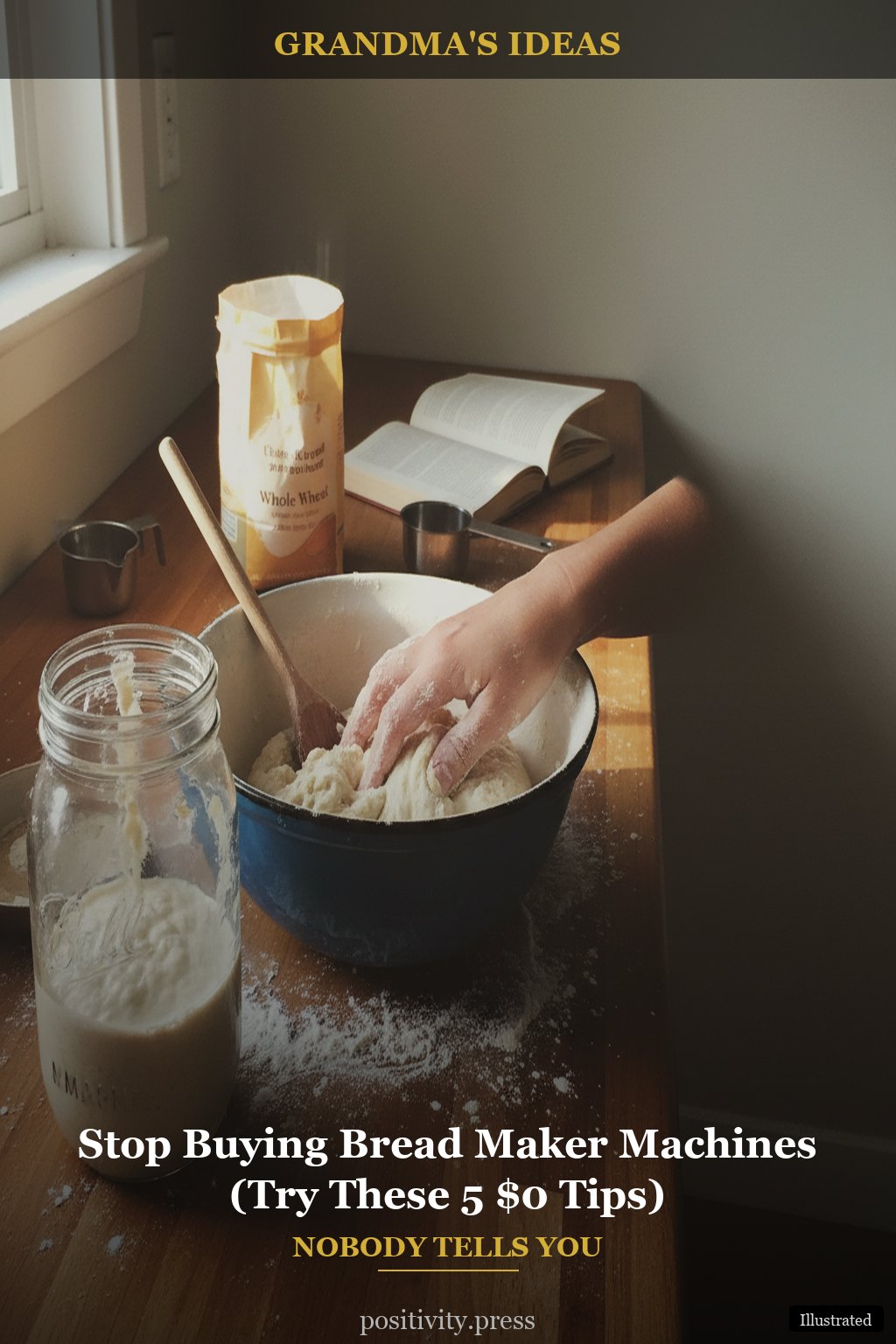
Now, onto the kneading. When I first tried to knead the dough, I imagined I needed a fancy mixer to do the job. But Grandma always said, ‘You don’t need fancy tools, dear.’ I learned to knead by hand, and while it took a bit longer (about 10 minutes), the joy of working the dough was worth it. Plus, the dough felt so alive in my hands. I remember thinking, ‘This is how it used to be done, back in the day.’
Here is what most tutorials leave out:
One common mistake most people make is not giving the dough enough time to rise. I would often rush this step, thinking I could speed things up. But bread-making is a process that requires patience. I learned to let my dough rise until it doubled in size — about an hour. If I was in a hurry, I would turn on my oven to the lowest setting, then turn it off and place my dough inside. This little trick cut down rising time to about 30 minutes, and it made a world of difference. My loaves started coming out fluffy and soft instead of dense and heavy.
After a few weeks of practice, I found my rhythm, and I couldn’t believe the results. My kids were thrilled to have fresh bread on the table, and the smell wafting through the house was a cozy reminder of Grandma’s kitchen. I felt more connected to my family while gathering around the table, sharing loaves that I had made from scratch.
Not only was this a delightful experience, but it was also a budget makeover. Each loaf of homemade bread cost roughly $1 to make, compared to the $4-$5 I used to spend at the store. That’s a savings of $3 to $4 per loaf! In a month, if I made five loaves, that’s $15 to $20 saved. Imagine what I could do with that extra money!
As I continued to bake, I discovered another budget-friendly tip: using leftovers. If I had any stale bread, I would turn it into croutons or breadcrumbs instead of tossing it out. Not only did this save money, but it also reduced waste in my kitchen. I felt a sense of pride knowing I was using every bit of what I made.
This small detail makes a huge impact:
Another tip I learned was to get creative with flavors. Instead of buying specialty breads, I began experimenting with herbs and spices I already had in my pantry. A dash of garlic powder or some dried rosemary could transform a simple loaf into something special without adding any extra cost. My family began to look forward to these little surprises in our meals, and it sparked conversations about food and creativity.
One day, I decided to invite a few friends over for a bread-making day. Everyone was curious about how I had gone from a bread novice to a confident baker in just a few weeks. I shared my tips, and they were amazed by how easy and rewarding it was. Everyone asked me how I did this and left with a warm loaf in hand, some extra dough, and a heart full of laughter.
Save this — your home will thank you
As the months went by, I noticed my grocery bill had significantly decreased. While the average American family spends about $80 a week on bread and bakery items, I was now spending less than $20. I felt relieved knowing that I wasn’t just feeding my family better food but also saving money. Now, instead of feeling overwhelmed by my grocery budget, I felt a sense of control and accomplishment.
Why Most People Get This Wrong
So many people are intimidated by the idea of making homemade bread. They think it requires a ton of skill or special ingredients, but that couldn’t be further from the truth. The key is to embrace simplicity and take it step by step. Many tutorials online complicate the bread-making process, leading to frustration and failure. They focus too much on perfection rather than the joy of the process. But I learned that the beauty of bread-making lies in the little quirks of each loaf; it’s perfectly imperfect.
Another common misconception is that homemade bread doesn’t last as long as store-bought. While it’s true that it doesn’t have the preservatives that keep those loaves on the shelf for weeks, homemade bread can last longer than you think. I learned to store my loaves in a cloth bag or wrap them in a kitchen towel. They would stay fresh for a few days and if we didn’t finish it, I could easily freeze the leftover slices. A quick defrost in the microwave, and they were just as good as fresh.
Every time I take a slice of my homemade bread, I feel a wave of nostalgia and pride wash over me. It’s not just about saving money; it’s about reconnecting with my roots and creating something meaningful for my family. I’ve turned my kitchen into a cozy haven, filled with the warmth of homemade goodness.
In conclusion, baking bread on a budget has been one of the best decisions I’ve made for my family. With just a few simple tips and a little patience, I transformed my kitchen and my budget. If you’re tired of spending too much on bread and want to feel the joy of creating something from scratch, I encourage you to give it a try.
Show this to a friend and do one together this weekend
You might also enjoy: year-round garden calendar and planner
You might also enjoy: cozy reading nook setup guide
Estimated savings: $25–$100 per project (vs $200+ retail)






Post Comment