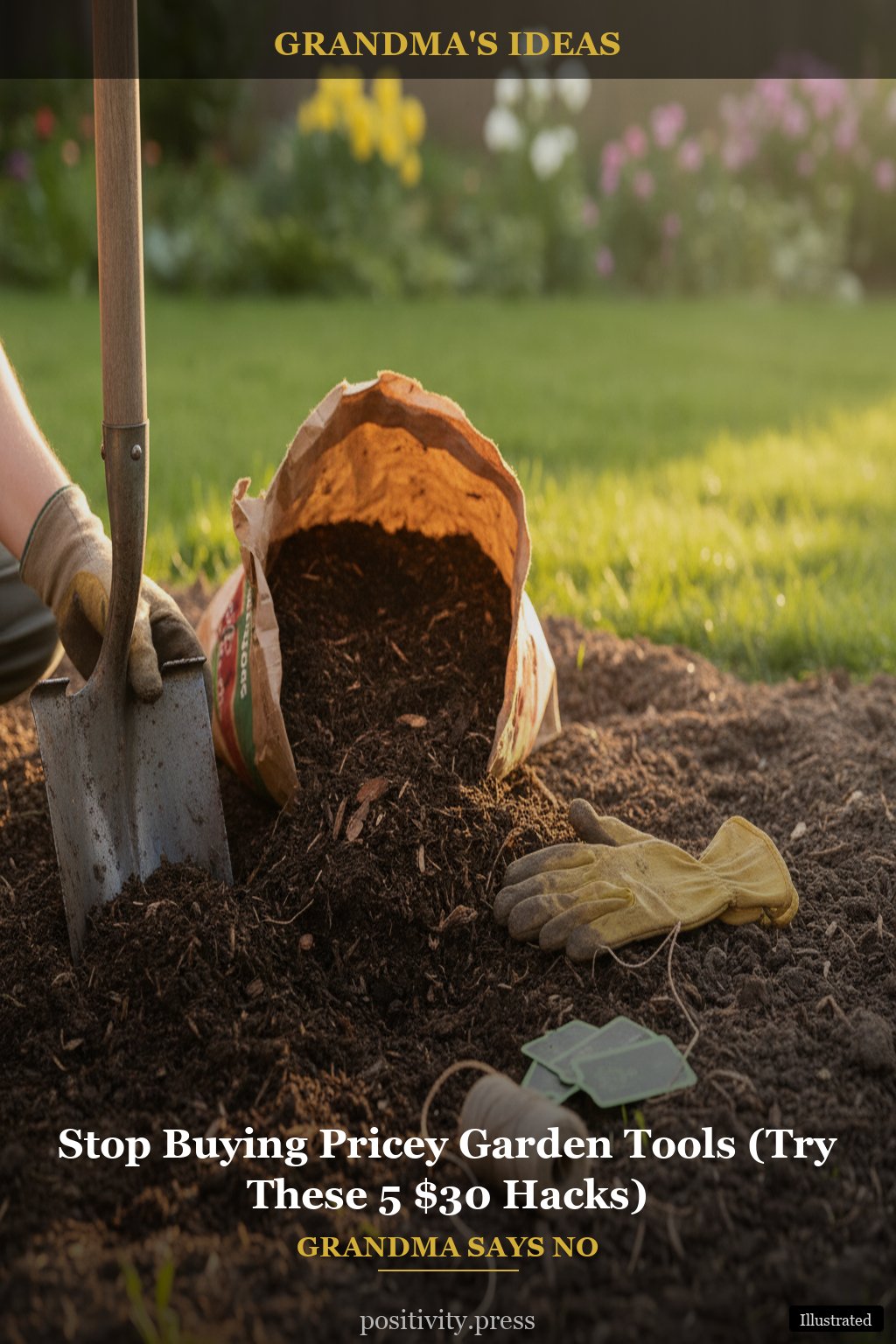
5 Vegetable Garden Hacks That Doubled My Harvest on $30
What You’ll Need
Before we dig into the garden, let’s gather our supplies. Here’s what you’ll need for these budget garden hacks:
- Compost or kitchen scraps
- Old newspaper or cardboard
- Seeds or seedlings (from a local nursery or saved from last year)
- Mulch (straw, grass clippings, or leaves)
- Watering can or hose
- Used containers or pots
- Plastic bottles or jars
- Simple garden tools (shovel, trowel, and gloves)
1. Create a Compost Bin from Kitchen Scraps
Grandma always said, “Waste not, want not.” Instead of throwing away kitchen scraps, turn them into nutrient-rich compost for your garden. It’s a simple and budget-friendly way to nourish your plants.
Herbs grown at home cost 90% less than store-bought fresh herbs over a season.
To make your compost bin, gather a sturdy container – an old trash bin or a wooden box will do. Layer your kitchen scraps, like fruit peels and vegetable trimmings, with yard waste like leaves and grass clippings. Stir it every few weeks, and in a couple of months, you’ll have rich compost ready for your garden.
Quick Tip: Avoid meat and dairy in your compost to keep it pest-free!
If you only do one thing, make it this:
2. Use Newspaper as a Weed Barrier
This is the trick that changes everything: newspaper! Back in Grandma’s day, she used layers of newspaper to smother weeds and keep moisture in the soil. It’s a frugal and effective solution that anyone can do.
To use this hack, lay down several sheets of newspaper over the soil where you want to plant. Wet the newspaper to keep it from blowing away and then cover it with a layer of mulch. This will block sunlight from reaching weeds, allowing your vegetables to thrive.
Quick Tip: Make sure to use non-glossy newspaper for best results!
3. Save Seeds for Future Planting
Every year, Grandma would save seeds from her best vegetables to plant the following season. It’s a simple and rewarding practice that can save you money while ensuring you have robust plants.
When your vegetables are ripe, collect seeds from your favorites – tomatoes, peppers, or squash are great candidates. Make sure to let them dry completely before storing them in a cool, dark place. Next planting season, you’ll have a free supply of seeds!
Bookmark this for your next weekend project.
Quick Tip: Label your saved seeds so you know what to expect when planting!
This looks expensive but costs almost nothing…
4. Grow Veggies in Recycled Containers
Did you know you can transform just about any container into a garden pot? Grandma used to repurpose old buckets, jars, and even tin cans to grow her herbs and vegetables. It’s a charming way to garden without spending a dime.
To get started, clean out any used containers. Make sure they have drainage holes to keep your plants healthy. Fill them with potting mix, and plant your seeds or seedlings. You can even decorate the containers for a personal touch!
Quick Tip: Consider grouping your containers together for a cozy garden nook!
5. Watering Wisely with Plastic Bottles
Watering can sometimes feel like a chore, but here’s a little trick from Grandma: use old plastic bottles for a slow-release watering system. It’s an easy way to keep your plants hydrated while conserving water.
Simply fill a clean plastic bottle with water, poke a few holes in the bottom, and bury it upside down in the soil near your plants. The water will seep out slowly, providing a consistent moisture level.
Quick Tip: This method works wonders for your vegetable seedlings!
What Grandma Would Do Differently
If Grandma were here today, she might remind us to slow down and enjoy the process. Gardening isn’t just about the end result; it’s about the joy of nurturing life. She’d suggest incorporating a little flower patch among the veggies to attract pollinators. After all, a thriving garden is not just about quantity but quality.
Additionally, Grandma would likely advise us to share our harvests with neighbors and friends. Building a sense of community is just as important as growing vegetables. A basket of fresh tomatoes can open the door to delightful conversations and friendships.
Estimated savings: $50–$70 per project (vs $100+ retail)
In my own experience, I tested these budget garden hacks last summer, and the difference was instant. My vegetable patch flourished like never before!
So there you have it—five budget garden hacks that will help you create a thriving vegetable patch without breaking the bank. Remember, gardening is not just about saving money; it’s about nurturing a love for the earth, just like Grandma always taught us.
Start with what you already have at home — no shopping needed.
You might also enjoy: closet and pantry organization hacks
You might also enjoy: homemade bread and biscuit recipes



Post Comment