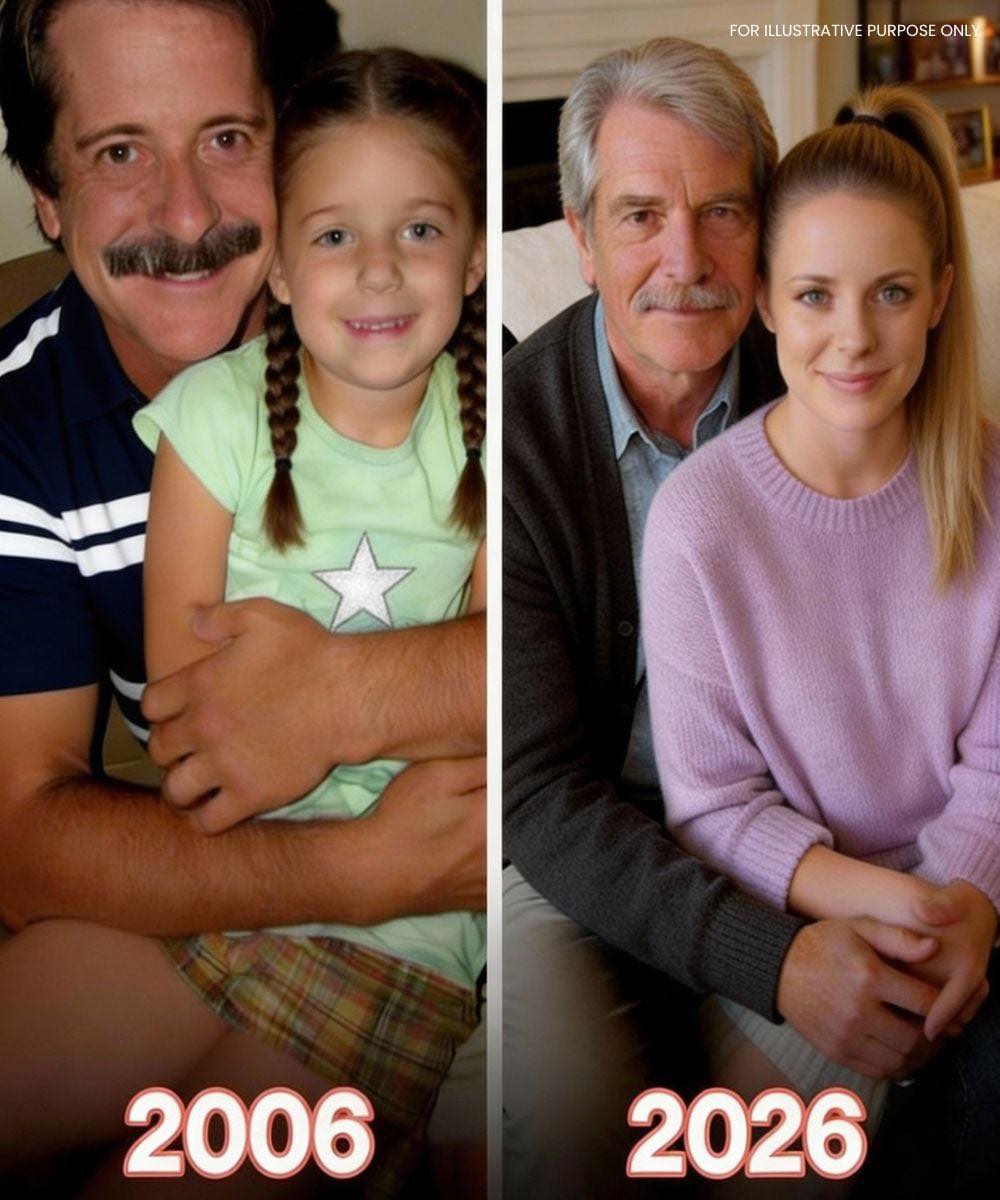
I’m seventy years old now. Twenty years ago, just after an early Christmas visit, my son, his wife, and their two children left my house to drive back home. – Story
People say time heals everything. I used to believe that—until I learned some truths don’t fade. They wait. And when they surface, they rearrange your entire past.
I’m seventy now. I’ve buried two wives and most of my old friends. I thought I understood grief. What I didn’t understand was that I wasn’t finished grieving—I was living beside a lie.
It began twenty years ago, on a winter night just before Christmas.
My son Michael, his wife Rachel, and their two children came for dinner. The forecast promised light snow. Nothing unusual for our quiet town. They left around seven. I remember Michael in the doorway, Emily asleep on his shoulder.
“We’ll be fine, Dad,” he said. “We’ll beat the weather.”
Three hours later, Officer Reynolds knocked.
The road had iced over. The car left the shoulder and hit trees.
Michael was gone. Rachel was gone. My grandson Sam was gone.
Emily survived.
She was five.
At the hospital, doctors said trauma had blurred her memory. “Don’t force it,” they told me. So I didn’t. Overnight, I became her guardian. At fifty, I was packing school lunches instead of planning retirement.
People called her survival a miracle. I repeated what I was told: “It was an accident. A bad storm. No one’s fault.”
Emily rarely asked questions. She grew into a quiet, perceptive girl—good with puzzles, drawn to mysteries. When she left for college, the house felt hollow again. After graduation, she moved back home and began working as a paralegal.
Then, weeks before the crash anniversary, she started asking things that unsettled me.
“What time did they leave?”
“Was that road closed earlier?”
“Do you still have the police report?”
Her tone wasn’t curious. It was deliberate.
One Sunday, she came home holding a folded sheet of paper.
“Grandpa, sit with me,” she said.
Across the kitchen table, she slid the paper over. Four words in careful handwriting:
THIS WASN’T AN ACCIDENT.
My chest tightened.
“I remember more than I thought,” she said quietly. “And I found something.”
From her bag, she pulled an old flip phone. “This was sealed in a courthouse box—misfiled. There are voicemails from that night. One was partially deleted.”
She pressed play.
Wind. Static. Then a man’s panicked voice: “—can’t do this anymore. You said no one would get hurt.”
Another voice, colder: “Just drive. You missed the turn.”
I felt the room tilt.
“Officer Reynolds was under investigation back then,” Emily continued. “Bribes. Falsified crash reports. A trucking company paid to avoid liability.”
Earlier that afternoon, a semi had jackknifed on that stretch of road. It should have been closed. Barricades had been removed.
“They swerved to avoid it,” Emily said. “That’s why the skid marks never matched the report.”
I asked the question that had haunted me for two decades. “Why did you live?”
“I was asleep,” she said. “The seatbelt caught differently.”
She had spent months researching—internal memos, disciplinary files, employment records. Reynolds died years later, but his wife left a letter. A confession. He’d altered the scene. Redirected blame. Closed the case before it could cost powerful people money.
The storm hadn’t killed my family.
Corruption had.
That night, snow fell again—soft, steady. Emily and I lit candles for Michael, for Rachel, for Sam. But this time, we weren’t lighting them for a tragic accident. We were lighting them for a truth finally spoken.
“I always felt something was wrong,” she said.
“So did I,” I admitted.
For twenty years, I had swallowed doubt because I didn’t want to tear open wounds that never healed. I told myself peace meant acceptance. But peace built on a lie is only silence.
Emily reached across the table and squeezed my hand. She wasn’t the frightened child in a hospital bed anymore. She was strong, relentless—her father’s courage in her eyes.
“We can reopen it,” she said. “Even if it’s late.”
I nodded.
Time doesn’t heal everything. Sometimes, it simply waits for someone brave enough to uncover what was buried.
That winter night took my son.
But it didn’t take the truth forever.
And it didn’t take Emily’s strength.
In the quiet glow of candlelight, with snow falling gently outside, I realized something unexpected:
Grief had changed shape.
And for the first time in twenty years, it felt lighter.





Post Comment