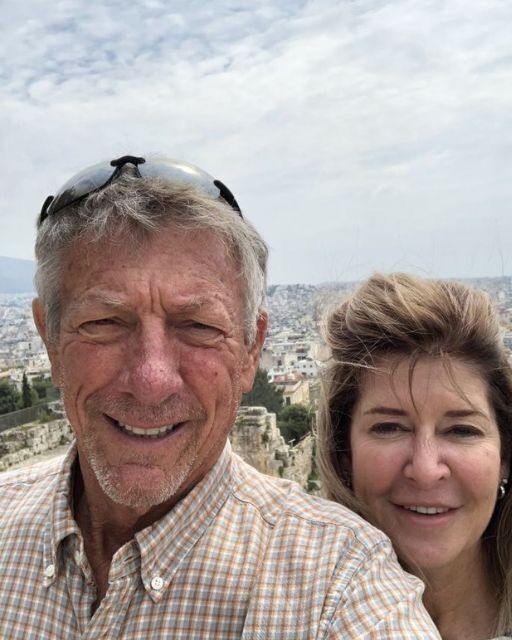
WE INHERITED $250K—AND DECIDED TO SPEND IT ON OURSELVES, NOT OUR KIDS – Story
When the check cleared, we just stared at the bank app.
$250,000.
My parents’ final gift. A lifetime of modest living—no big vacations, no flashy purchases—distilled into one sum. The unspoken assumption was clear: preserve it, grow it, pass it down.
Then my wife said quietly, “What if… we didn’t?”
Not out of selfishness. We love our kids fiercely. But we raised them to stand on their own feet. They were already doing that—our daughter building her business, our son thriving in work he actually enjoyed. Meanwhile, we had spent thirty years postponing ourselves.
This money wasn’t just an inheritance.
It was time.
So we bought a camper.
Nothing extravagant—just a small, sturdy thing with a bed, a stove, and windows wide enough to frame a sunset. We mapped out national parks, pointed the nose west, and started driving.
At first, it felt indulgent. I’d wake up thinking about college funds and down payments. But every time we called the kids, they laughed.
“You should spend it,” our son said. “You’ve done enough for us.”
So we kept going.
We got lost in Utah. Burned dinner in Arizona. Drank cheap wine under enormous Montana skies with no cell service and no expectations. Somewhere between desert highways and pine-covered trails, we stopped being just Mom and Dad and started being ourselves again.
One evening by a lake, my wife said, “I forgot what this felt like—just us.”
I knew what she meant. For decades, love had looked like logistics. Now it looked like shared silence and unhurried mornings.
About a month into the trip, we stopped at a tiny diner in Wyoming. The owner, Mae, poured our coffee and told us about her life—how she’d spent years caring for family, keeping the diner afloat, always meaning to travel “someday.”
Someday hadn’t come.
That night in the camper, we couldn’t stop thinking about her. We had been given freedom. What if we could pass a piece of it on?
The next morning, we went back. We offered Mae a portion of the inheritance—enough to hire help and take time off. She resisted at first, pride bristling. But we told her what our kids had told us: “You’ve earned something for yourself.”
Months later, postcards started arriving. Oregon coast. Santa Fe. The Smoky Mountains. In one note she wrote, I didn’t know how big the world was until I stepped into it.
But the ripple didn’t stop there. Mae eventually started a small community fund in her town, helping others take classes, start small ventures, or simply take a break to dream again.
Our kids noticed too. Our son began planning a photography sabbatical. Our daughter began weaving charitable partnerships into her business.
That $250,000 didn’t just buy a camper.
It bought us perspective.
We learned something simple: you can’t pour from an empty cup. We had to reclaim our own lives before we could meaningfully help someone else reclaim hers.
Now, somewhere on a quiet stretch of road, we sit outside that camper and watch another sunset. The money is no longer just numbers on a screen. It’s miles traveled. It’s postcards. It’s second chances.
We thought we inherited savings.
What we really inherited was permission—to live fully, and to help others do the same.



Post Comment