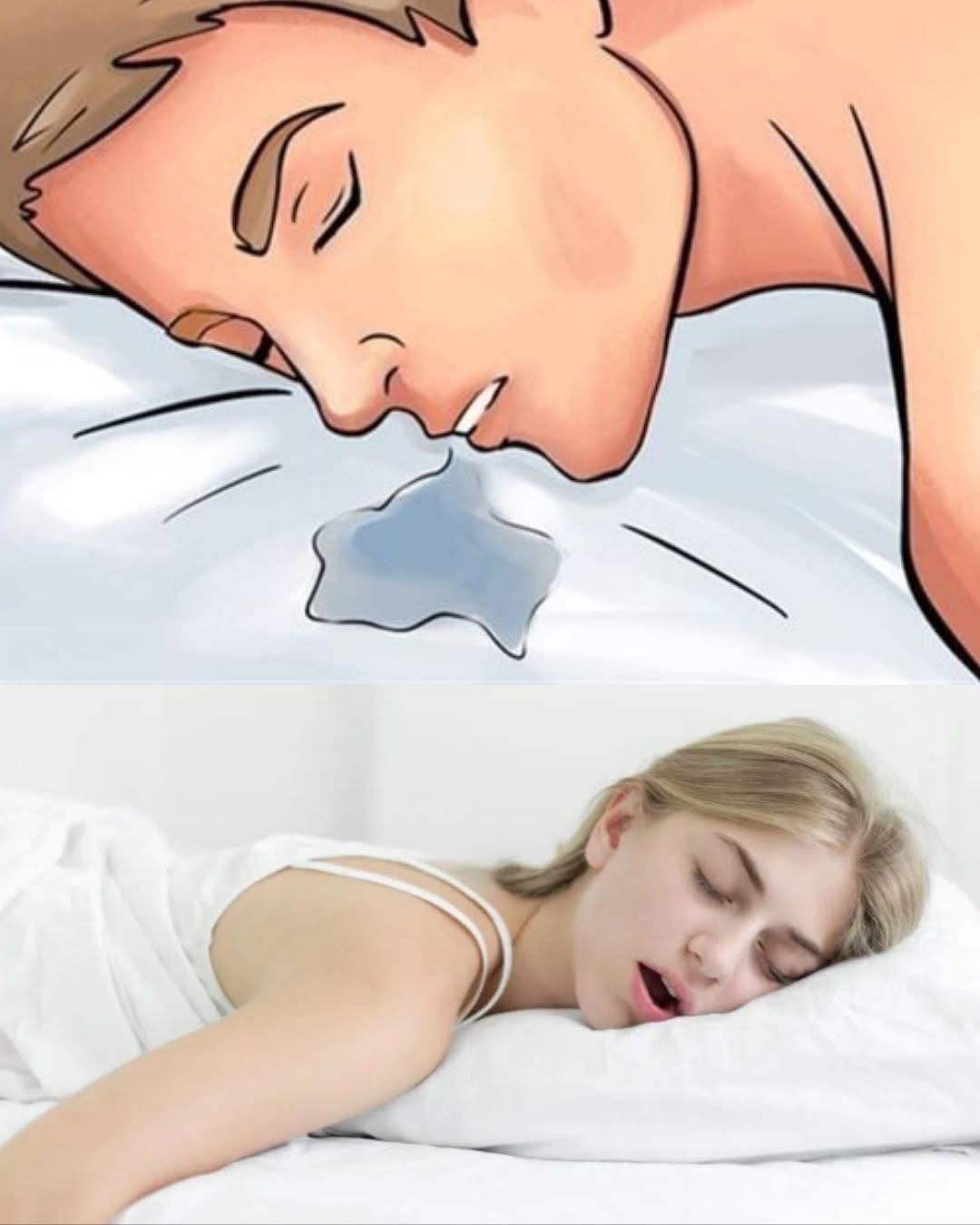
If you drool while you sleep, it’s a sign that your brain… See More
Occasional drooling during sleep is a common experience and, in most cases, completely harmless. Many people wake up from time to time with a damp pillow, especially after a deep night’s sleep. During the deepest stages of sleep, the muscles of the face and jaw naturally relax. If the mouth falls open—particularly when sleeping on one’s side or stomach—saliva can escape more easily. In these situations, drooling is simply part of normal sleep physiology and not a medical problem.
Concerns tend to arise when drooling becomes new, excessive, persistent, or noticeably one-sided. Changes like these may signal underlying health or lifestyle factors that are worth paying attention to. While they are not always serious, they can provide useful clues about what is happening in the body.
One of the most common causes of nighttime drooling is nasal congestion. Conditions such as seasonal allergies, colds, sinus infections, or structural issues like a deviated septum can limit airflow through the nose. When nasal breathing becomes difficult, people instinctively breathe through their mouths while sleeping. An open mouth makes it much easier for saliva to pool and leak out. This type of drooling often comes with additional signs, such as snoring, waking up with a dry mouth, sore throat, or feeling unrested in the morning. Addressing nasal irritation—through allergy management, hydration, or medical treatment—often reduces drooling significantly.
Digestive issues can also play a role. Acid reflux or gastroesophageal reflux disease (GERD) may increase saliva production, particularly at night. The body produces extra saliva as a protective response to stomach acid irritating the esophagus and throat. People experiencing reflux-related drooling may also notice heartburn, nighttime coughing, hoarseness, or a sour or bitter taste when lying down. Adjusting meal timing, avoiding trigger foods, and sleeping with the head slightly elevated can sometimes help reduce symptoms.
Oral and throat health are additional factors to consider. Gum inflammation, dental infections, ill-fitting dental appliances, or throat infections can temporarily stimulate excess saliva production. In these cases, drooling is usually short-lived and improves once the underlying irritation or infection is treated. Maintaining good oral hygiene and seeking dental care when discomfort appears can prevent this cause from lingering.
Sleep position itself can influence drooling. Side sleeping allows gravity to pull saliva toward the edge of the mouth, whereas back sleeping makes drooling less likely for some people. For individuals who drool only in certain positions and have no other symptoms, this is rarely a concern.
In most situations, drooling during sleep does not require medical attention—especially if it has been occasional throughout life, appears during illness, or changes depending on sleep posture. However, sudden onset, ongoing excessive drooling, clear one-sided drooling, difficulty swallowing, facial weakness, or speech changes should be discussed with a healthcare professional. These symptoms may indicate a neurological or structural issue that deserves prompt evaluation.
Ultimately, paying attention to patterns—when drooling occurs, how long it lasts, and what other symptoms are present—can help distinguish harmless habits from signs that warrant reassurance or further care.






Post Comment