
Starting a Small Vegetable Garden: 8 Simple Tips
Welcome to Your Gardening Adventure!
Starting a small vegetable garden can be one of the most rewarding things you can do, not just for your palate but for your soul. Grandma always said that nurturing a garden is like nurturing a family; it takes patience, love, and a little bit of dirt. If you’re ready to dig into this green adventure, let me share with you eight simple tips that will help you get started.
1. Choose the Right Location
The first step in starting your vegetable garden is choosing the right location. Look for a spot in your yard that gets plenty of sunlight. Most vegetables need at least six to eight hours of sunlight each day. Remember, Grandma always said, “A happy plant is a sunbathing plant!” Also, make sure the area is close to a water source for easy watering.
2. Start Small
When starting your vegetable garden, it’s easy to get carried away with excitement. However, Grandma always advised to start small. Begin with just a few plants to avoid being overwhelmed. A small garden is easier to manage and you can always expand as you gain confidence. Consider planting easy-to-grow vegetables like tomatoes, radishes, or lettuce.
3. Choose the Right Soil
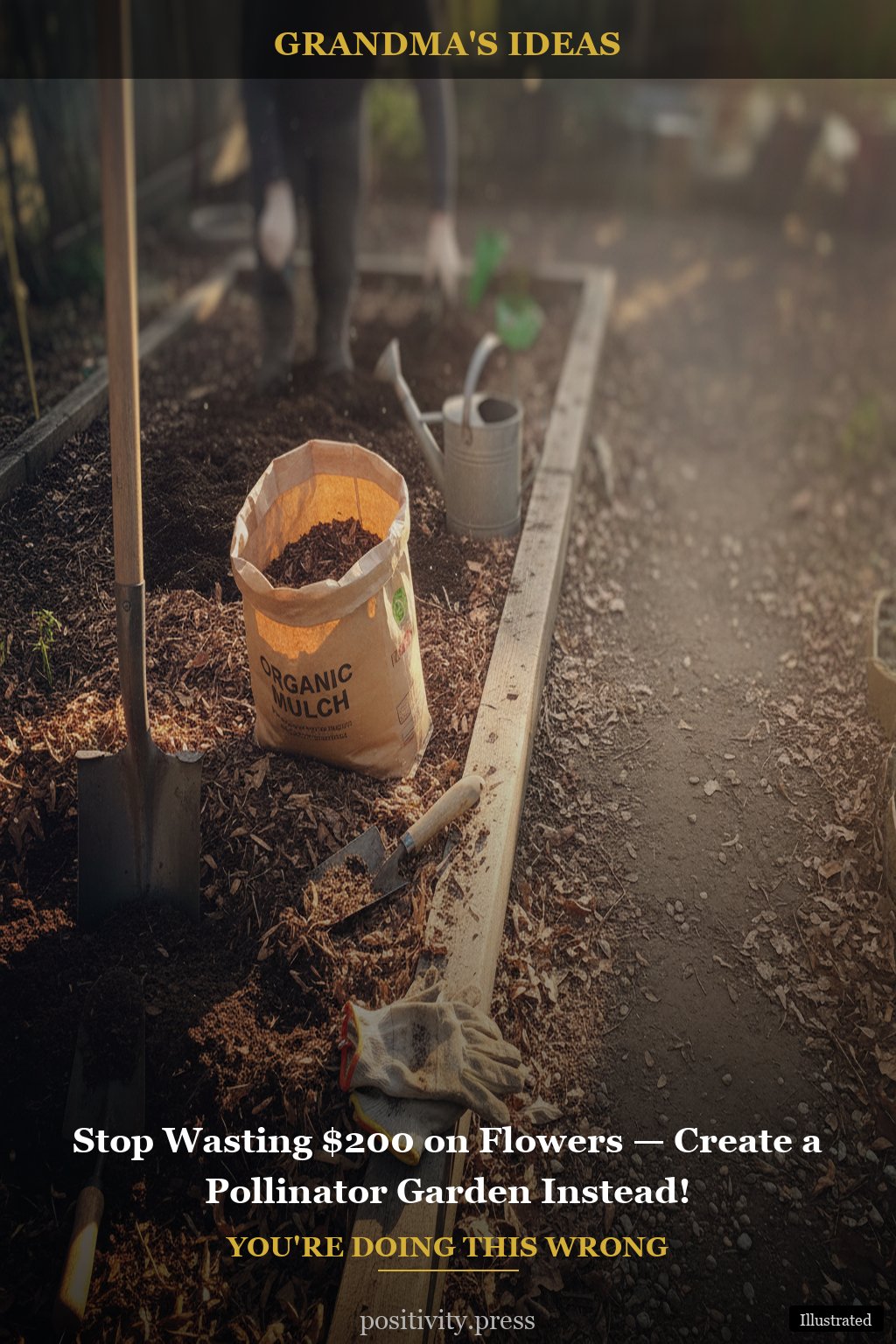
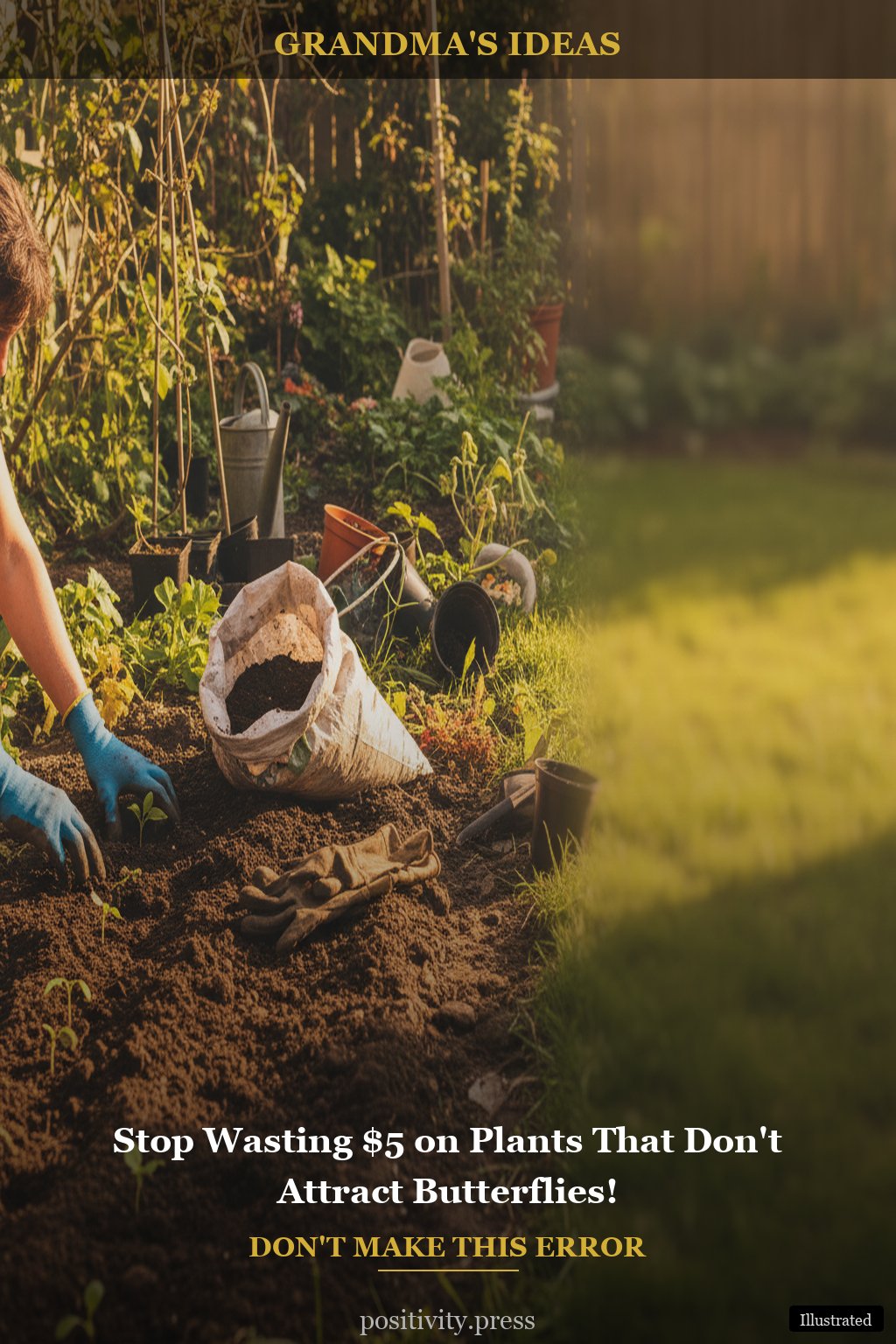
The foundation of any good garden is the soil. Good soil is rich in nutrients and drains well. You can buy potting soil or create your own by mixing organic compost with existing soil. This old trick works every time! Grandma used to say, “You can’t grow healthy plants in unhealthy soil.” So take the time to prepare your soil properly.
4. Plan Your Garden Layout
Before planting, it’s wise to plan your garden layout. Consider the size of the plants and how much space they need to grow. Tall plants like tomatoes should be planted on the north side so they don’t shade shorter plants. Grandma would often sketch her garden on paper before planting, and it helped her visualize what she wanted. A simple layout can make a big difference!
5. Water Wisely
Watering your garden is crucial, but it’s important to do it wisely. Early morning is the best time to water your plants, as it allows the leaves to dry out during the day, reducing the risk of disease. Grandma had a watering can with a long spout that she swore by. “Water your plants like you’re giving them a drink, not a shower,” she’d say. Make sure to water the base of the plants directly rather than soaking the leaves.
6. Keep an Eye on Pests
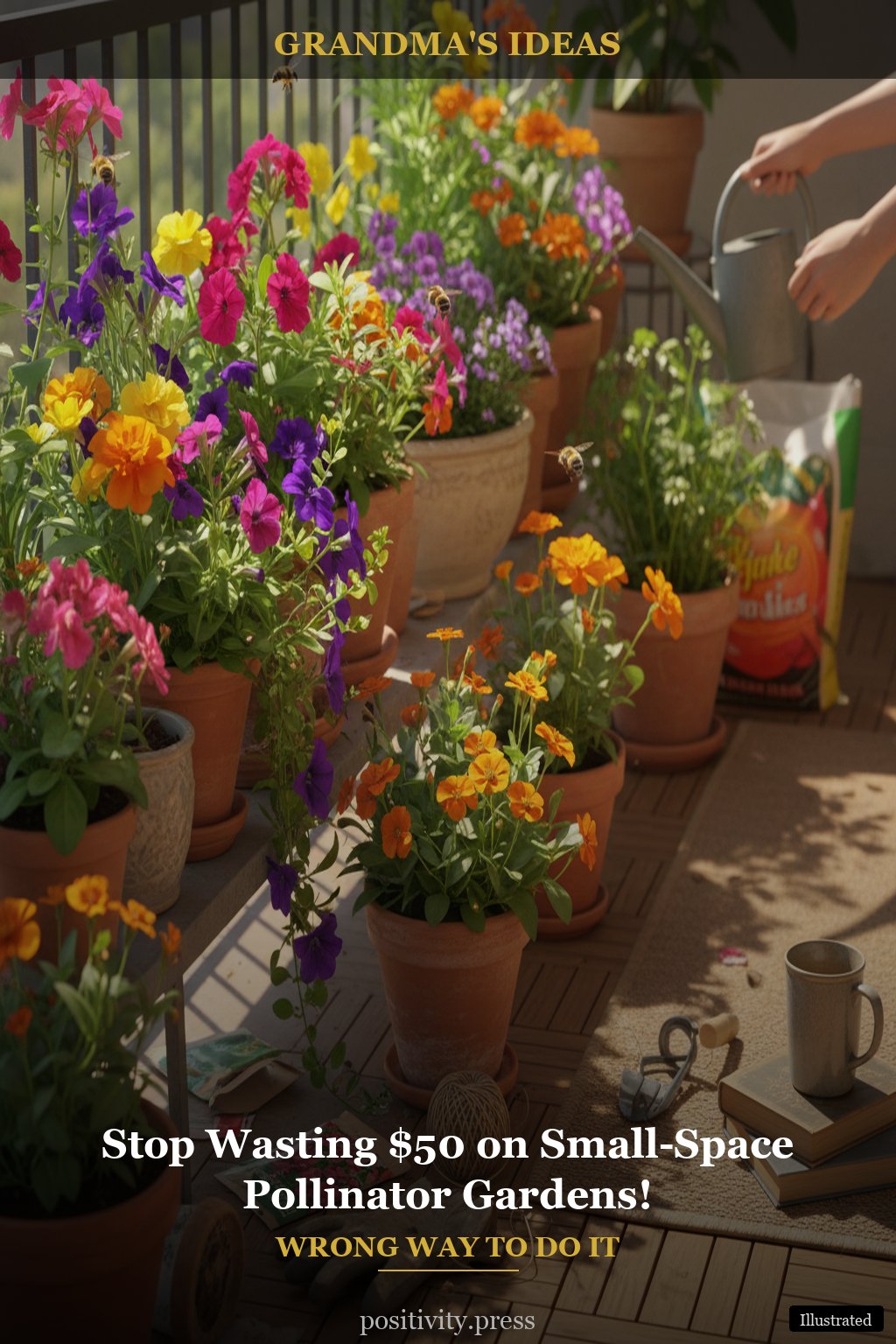
As your garden begins to flourish, you may notice some unwanted visitors. Pests can quickly ruin your hard work. Grandma always had a few tricks up her sleeve to keep pests at bay. Planting marigolds around your vegetable garden can deter many pests naturally. If you spot any, try using a gentle soap solution to wash them off your plants. Remember, prevention is key!
7. Harvest at the Right Time
Harvesting your vegetables at the right time ensures they taste their best. For instance, tomatoes should be picked when they are fully colored and slightly soft to the touch. Keep an eye on your plants and don’t be afraid to pick your veggies! Grandma always said, “A garden is like a treasure chest; the more you harvest, the more it gives!”
8. Enjoy the Process
Lastly, remember to enjoy the process. Gardening is about more than just growing food; it’s about connecting with nature and creating memories. Spend time with your family in the garden, teach your children where their food comes from, or invite friends over for a gardening day. Grandma always made it a tradition to have a family potluck with the veggies she harvested. “Nothing tastes better than food grown with love,” she would say.
Conclusion
Starting a small vegetable garden is a beautiful way to embrace the joys of home, family, and tradition. With these eight simple tips, you’re well on your way to cultivating a thriving garden that not only gives you fresh vegetables but also brings you closer to your loved ones. Remember, take it one step at a time, and don’t forget to channel your inner Grandma! Happy gardening!



Post Comment