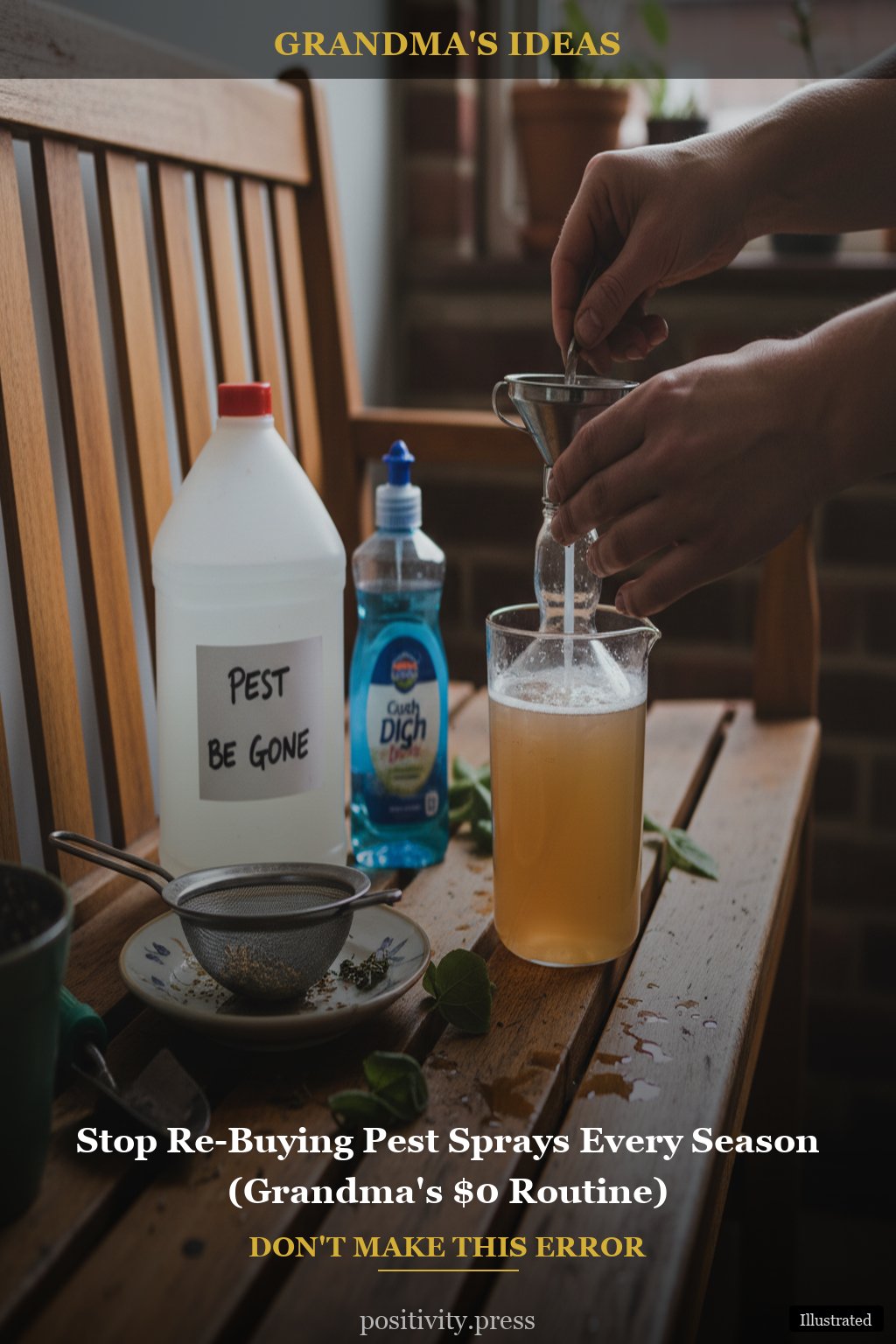
Grandma’s $0 Seasonal Pest Routine (Beats Every Modern Spray)
1. Start with Healthy Soil
Grandma always said, “A strong garden starts from the ground up.” Healthy soil is the foundation for pest prevention. For years, she added organic matter to her garden beds, enriching them with nutrients. This makes plants more resilient against pests and diseases.
- Use homemade compost.
- Mix in well-rotted manure or leaf mold.
When the soil is alive with beneficial microorganisms, it naturally wards off unwanted pests. Remember, a happy plant is a less appealing meal for those pesky critters!
Companion planting can increase vegetable yield by 20-30% without extra effort.
2. Embrace Companion Planting
“Companion planting can increase vegetable yield by 20-30% without extra effort,” Grandma used to say with a twinkle in her eye. She loved to pair certain plants together to enhance growth while repelling pests. Marigolds with tomatoes, basil with peppers—these combinations worked wonders in her garden.
- Plant marigolds to deter nematodes and aphids.
- Basil helps protect tomatoes from whiteflies.
It’s like a secret club in your garden, where friends keep each other safe. Give it a try and watch your garden flourish!
Save this and come back when you are ready
3. Seasonal Spraying with Homemade Remedies
Each season brought a new set of pests for Grandma, but she always had her homemade remedies ready. These natural solutions kept her plants safe without harmful chemicals. A simple garlic spray or neem oil mix was her go-to solution.
- For garlic spray: Blend garlic cloves with water, strain, and spray on plants.
- Neem oil can be mixed with water and a few drops of dish soap.
These remedies not only protect your plants but also keep the garden safe for kids and pets. A little care goes a long way!
The real secret is actually this:
4. Timing is Everything
Grandma knew that timing was essential for effective pest control. Each season required specific attention to different pests. In spring, she would scout for aphids and treat them early. By summer, she focused on beetles and caterpillars.
- Early spring: Monitor for aphids and beetles.
- Mid-summer: Keep an eye out for caterpillars.
Keeping a calendar helped Grandma remember the best times to act. You’ll be amazed at how much easier it is to manage pests when you know when they’re likely to invade.
5. Encourage Beneficial Insects
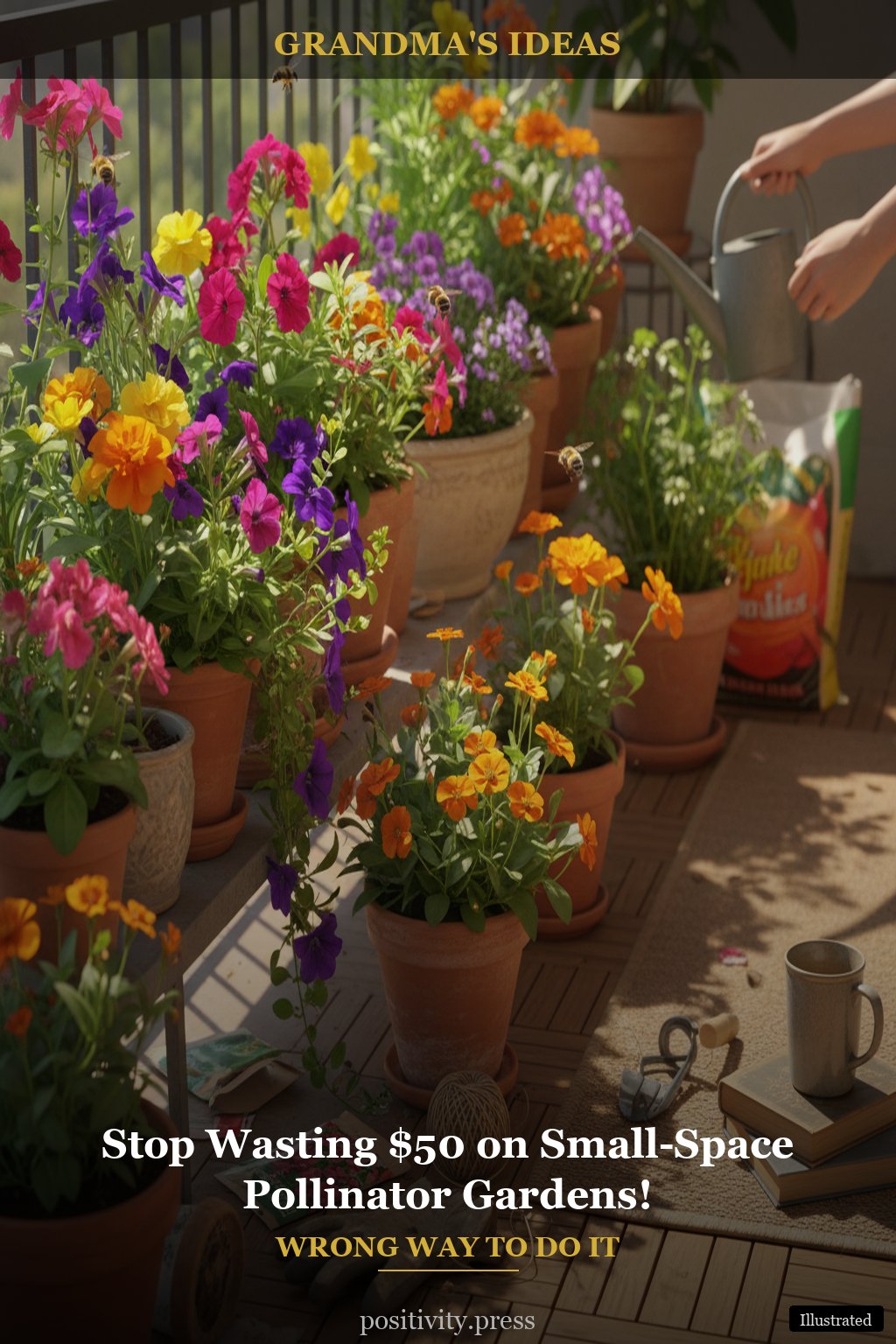
“Not all bugs are bad,” Grandma would say while welcoming ladybugs into her garden. These little helpers feast on aphids, making them a gardener’s best friend. Planting flowers like dill and fennel attracts them, keeping harmful pests at bay.
- Plant dill, fennel, or yarrow to attract beneficial insects.
- Make your garden a haven for pollinators.
Creating a balanced ecosystem is an old-fashioned trick that Grandma swore by. You’ll find your garden thriving with the right balance of helpers and protectors!
Do not skip this — it matters more than you think:
6. Rotate Your Crops
Crop rotation was a vital part of Grandma’s routine. Changing where you plant certain crops each year can disrupt pest life cycles and improve soil health. It’s a simple fix that can yield significant results!
- Rotate plants like tomatoes and peppers to different beds yearly.
- Include legumes to enrich the soil.
By doing this, you not only confuse pests but also reduce the chance of diseases. Grandma’s garden was always a patchwork of colors, and she loved to keep things fresh and exciting.
Save this and come back when you are ready
7. Regular Monitoring and Maintenance
Grandma was a firm believer in the power of observation. She would spend a few minutes each day walking through her garden, checking for any signs of trouble before they became overwhelming. This routine of careful monitoring was crucial.
- Look for signs of pests or disease.
- Remove any infected plants promptly.
Being proactive saved her countless hours of hard work later. Plus, it’s a cozy way to connect with your garden. You might even find a new flower blooming or a ripe tomato ready for picking!
This is the trick that changes everything:
8. Create a Natural Barrier
Grandma always had old netting or row covers handy. These simple tools served as a protective shield against hungry pests. They block unwanted insects while still allowing sunlight and moisture to reach the plants.
- Use floating row covers in spring to protect young plants.
- Install netting to keep birds and larger pests away.
Creating these natural barriers is an old-fashioned trick that pays off. Your plants will thank you for their cozy, safe space to grow!
9. Stay Organized with Labels
Keeping track of your plants and their needs can be overwhelming. Grandma always used labels for her plants, noting when they were planted and their care requirements. It was a simple way to remember what needed attention.
- Use plant markers to identify varieties.
- Label plants with care instructions for easy reference.
If you want to make this even easier, simple tools like plant markers and labels can save time and money without any extra effort. It’s a small step that makes a big difference!
The Detail That Makes All the Difference
Every gardener knows that small details can lead to big changes. Grandma often reminded us to pay attention to the micro-ecosystem within our gardens. Planting a variety of flowers not only attracts beneficial insects but also keeps the garden visually appealing.
Creating a garden that invites wildlife, nurturing the soil, and maintaining plant diversity are all details that contribute to a thriving ecosystem. These layers of care reflect the love we pour into our gardens, making them truly special.
And remember, gardening isn’t just about the vegetables or flowers; it’s about the memories you create along the way. Imagine picking fresh herbs for a cozy soup season meal or watching butterflies flutter around your blooms.
Estimated savings: $50–$100 per project (vs $200+ retail)
Something Small That Goes a Long Way
If you want to make this even easier, simple tools like plant markers and labels can save time and money without any extra effort. Keeping your garden organized is just as important as the care you give it.
Grandma always said, “A little preparation goes a long way.”
So, let’s embrace her wisdom as we tend to our gardens together.
Conclusion
Pest control doesn’t have to be a daunting task. With Grandma’s effective pest control routine, you can enjoy a thriving garden year-round. By following these time-tested tips, you’ll create a cozy, inviting space that flourishes through every season.
So grab your gardening gloves and get started today. Remember, every little step you take brings you closer to a healthy garden and beautiful memories with your loved ones.
Pick your favorite idea and do it today — no excuses
You might also enjoy: living room decor ideas on a budget
You might also enjoy: soup season recipes for cold days




Post Comment