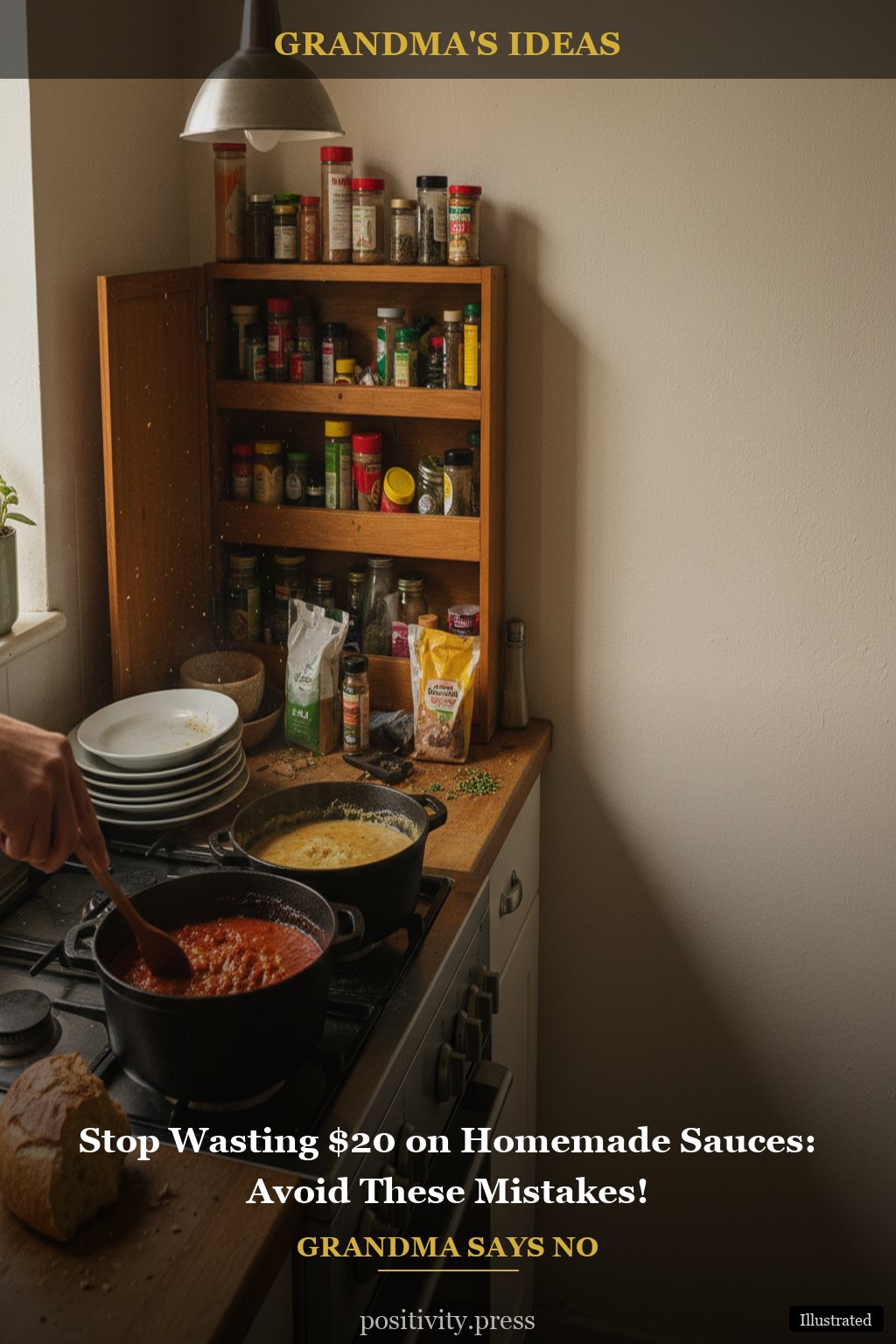
Stop Wasting $20 on Homemade Sauces: Avoid These Mistakes!
5 Common Homemade Sauce Mistakes You’re Probably Making
It’s amazing how a simple pot of sauce can turn a mundane meal into something magical. I never thought that a $5 fix could change my homemade sauces this much. But here we are, and I’m excited to share what I learned from my kitchen mishaps. Like most of you, I grew up in a home filled with the comforting aroma of simmering sauces. My own cooking journey began with my grandmother’s recipes, where a pinch of this and a sprinkle of that seemed to create culinary masterpieces. However, even with her wisdom, I found myself making some common homemade sauce mistakes that turned my kitchen adventures into a bit of a disaster. Today, I’m sharing my story to help you avoid the same pitfalls.
Grandma always said, “Cooking is an act of love,” but I often felt like I was just throwing things together. I remember one evening in particular when I decided to make marinara sauce from scratch. I had the tomatoes, the garlic, and my grandmother’s recipe in hand. I was ready to impress my family with my newfound skills. But as I stood over the stove, I realized I was missing a key ingredient: patience. I rushed through the steps, thinking, ‘How hard can it be?’
What happened next was a lesson in flavor balance. I cooked the sauce too quickly, which left it tasting raw and underdeveloped. The flavors didn’t meld together as they should have, and instead of a rich, vibrant sauce, I ended up with a watery mess that my family barely touched. Seeing their disappointed faces as they pushed their plates away was a moment I won’t soon forget. All that time and effort wasted! Families waste nearly 30% of the food they buy each week — about $1,500/year. I didn’t want to be part of that statistic.
So, what went wrong? One mistake was rushing the cooking process. Sauce needs time to cook and develop flavors. A few hours of simmering can transform simple ingredients into a comforting hug in a bowl. I realized I needed to slow down and embrace the cooking process. If you only do one thing, make it this: allow your sauces to simmer. Trust me, the difference is night and day.
Another mistake I made was skimping on seasonings. In the past, I viewed seasonings as optional rather than essential. I often used a single herb or a generic seasoning blend, thinking it would suffice. But sauces thrive on layers of flavor; a combination of herbs, spices, and a dash of acidity can elevate a dish. So now, I make sure to taste as I go and adjust the seasonings along the way. This simple change surprised everyone who saw it, turning a bland sauce into a family favorite.
But there was more to learn. Have you ever had those moments when your sauce is too thick or too watery? I sure have! One Thanksgiving, I decided to prepare a cranberry sauce from scratch, and instead of a smooth, glossy finish, I ended up with a chunky, overly thick concoction that looked like it belonged in a science experiment. I had added too many cranberries without adjusting the liquid. The result was a sauce that didn’t spread on the turkey but instead clumped together like an awkward dance partner.
This is the trick that changes everything: always be mindful of your sauce consistency. If a sauce is too thick, add a splash of broth or water. If it’s too thin, let it simmer longer to reduce and thicken. The right consistency can turn a good sauce into a great one. I learned that the key to achieving the perfect texture is to start with the right measurements and adjust as needed.
As I continued my culinary journey, I also discovered the importance of using quality ingredients. In the past, I would grab the cheapest can of tomatoes or the pre-made sauces that lined supermarket shelves. But as I began experimenting more, I realized that fresh, high-quality ingredients make all the difference. Fresh herbs, ripe tomatoes, and good quality olive oil can elevate any dish from mediocre to magnificent.
Now, I take the time to source the best ingredients I can find. I often visit local farmers’ markets or grow my own herbs in a cozy little garden I started last spring. If you haven’t tried growing your own herbs yet, I highly recommend it! It’s rewarding and adds a personal touch to your meals. Not to mention, it’s nice to have fresh basil or parsley just a snip away when making sauces or salads. If you want to dive into gardening, check out our vegetable garden planting guide for tips on getting started.
And here’s a little trick I learned: don’t forget about the power of acidity. I used to think that sauces needed only salt and sugar for flavor balance. But adding a splash of vinegar or a squeeze of lemon can brighten up the flavors and provide a refreshing contrast. Now, I always keep a bottle of balsamic vinegar or a lemon on hand when preparing sauces. It’s amazing what a little acidity can do to enhance the overall flavor.
Save this for later — you will need it
After making these changes, my sauce-making skills improved tremendously. I went from having a shaky confidence in the kitchen to becoming the go-to sauce maker in our family. I’ve spent less on store-bought sauces, saving around $50 over the past few months alone. Imagine putting that money towards something special for the family instead! Grandma would be proud of this result, and so am I.
The Detail That Makes All the Difference
As I reflect on my sauce journey, I realize that the most important lesson I learned was to embrace the process. Cooking isn’t just about following a recipe; it’s about experimenting, making mistakes, and adjusting as you go. Every time I make a sauce, I remind myself that it’s okay to deviate from the recipe. In fact, that’s where the magic happens. The art of sauce making is about trusting your instincts and learning from your past errors.
One afternoon, while preparing a rich Alfredo sauce, I decided to add a bit of nutmeg after remembering how Grandma used to do it. The warm, earthy flavor took my sauce to the next level and left my family asking for seconds. It was a reminder that sometimes, the smallest detail can have the biggest impact. So don’t be afraid to play around with flavors and textures; you might just stumble upon your own secret ingredient.
In conclusion, sauce making is a beautiful blend of art and science. I hope my story helps you avoid the common homemade sauce mistakes I made and inspires you to create your own delicious sauces from scratch. Remember, cooking is about love and sharing, and there’s nothing quite like a homemade sauce that warms the heart. So the next time you whip up a pot of sauce, take your time, savor the process, and let the flavors meld together. You might just surprise yourself with the results!
Grandma would say: stop thinking, start doing
Estimated savings: $25–$100 per project (vs $200+ retail)




Post Comment