Stop Wasting $100 on a Dull Garden – Try This Instead!
1. Plant Native Flowers
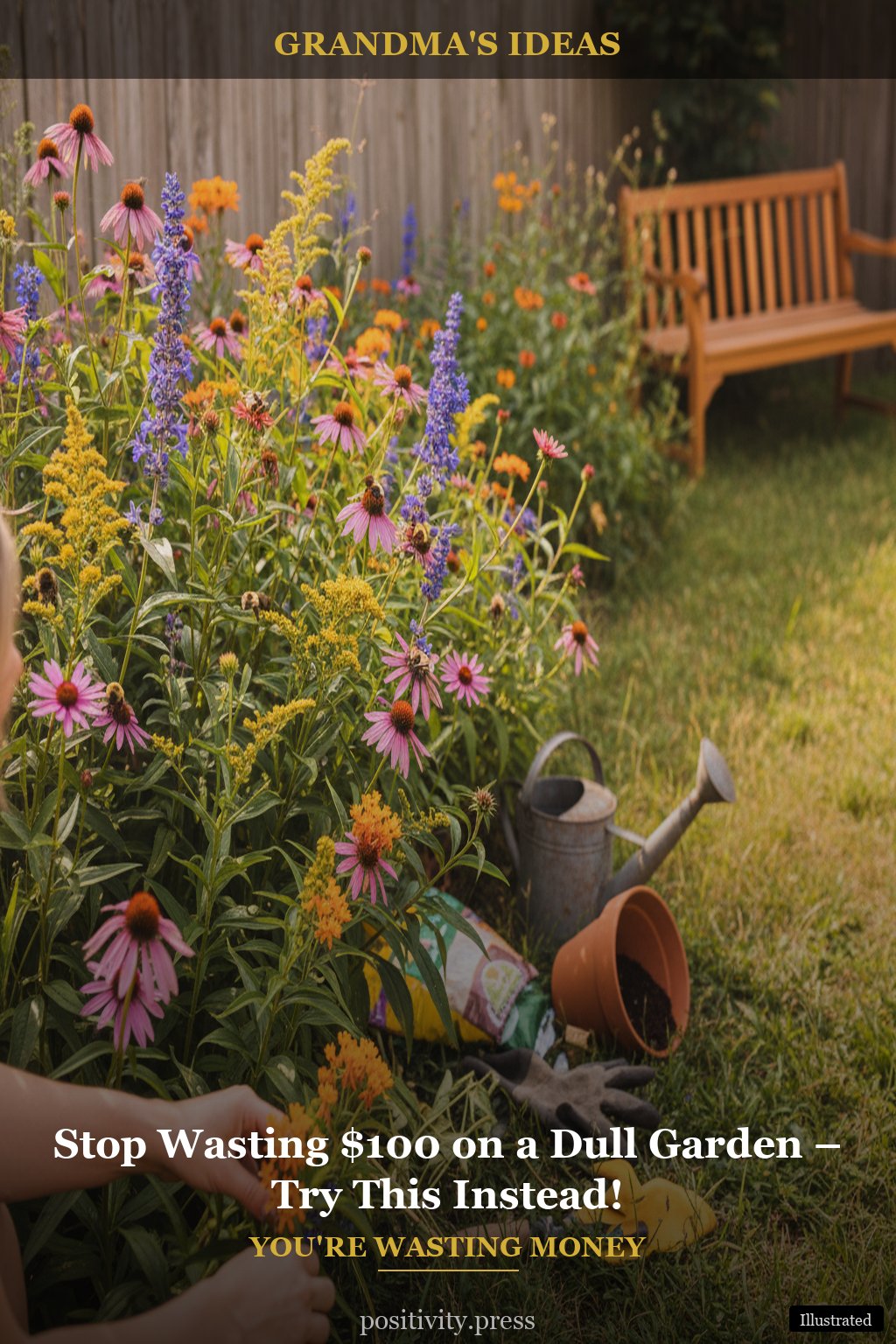
Grandma always said that the best way to attract pollinators is to plant flowers they know and love. Native plants have adapted to your local environment, making them easier to grow and more beneficial for local wildlife. They provide nectar and pollen that bees and butterflies thrive on, ensuring your garden is a buzzing hotspot.
Stop wasting time on exotic flowers that may not even bloom in your area. Instead, choose native varieties that are hearty and low-maintenance. Some popular options include coneflowers, milkweed, and black-eyed Susans. These beauties do more than just look lovely; they support your local ecosystem.
The average home garden produces $600 worth of vegetables per year from a $70 investment.
2. Create a Diverse Habitat
Nobody talks about the importance of diversity in a pollinator garden. It’s not just about flowers; it’s about creating a full ecosystem that supports different species. Include a mix of plants, shrubs, and trees to attract a variety of pollinators. Think of it as a buffet for your buzzing friends!
By incorporating plants that bloom at different times, you ensure there’s always something for pollinators to feed on. Include early bloomers like crocus and late bloomers like asters to keep the menu fresh throughout the seasons.
3. Provide Water Sources
Pay attention to this next part:
Just like us, pollinators need water to thrive. Grandma always had a little dish of water in her garden, filled with pebbles for the bees and butterflies to land on safely. A shallow birdbath or a small pond can make all the difference. It’s a simple fix that invites more guests!
Ensure the water is fresh and clean, and don’t forget to change it regularly. This small detail can have a big impact on attracting more pollinators to your yard.
Pin this for the next time you feel stuck
4. Avoid Pesticides
It’s time to ditch those harmful chemicals! Grandma would roll her eyes at the thought of using pesticides when there are so many natural alternatives. Instead of reaching for the spray, consider using homemade solutions with ingredients you already have at home. Simple mixtures of soap and water can deter pests without harming your precious pollinators.
Remember, a thriving pollinator garden thrives on balance. Encourage beneficial insects like ladybugs to control pests naturally. You’ll notice the difference, and so will your garden!
5. Add Shelter and Nesting Sites
Nobody talks about this step:
Grandma always knew that creating shelter would keep her pollinators safe. Simple additions like bee hotels, brush piles, and patches of bare soil for ground-nesting bees can go a long way. These small details allow pollinators to rest and safely raise their young.
Make it cozy! You can even repurpose materials from around your home to create these habitats. Old logs, twigs, and straw are perfect for attracting more guests to your garden.
6. Choose the Right Colors
This is the trick that changes everything: plant flowers in bright colors! Bees, in particular, are attracted to blue and yellow blooms. Grandma would often choose a mix of these vibrant shades to make her garden pop. Consider planting flowers like sunflowers, zinnias, and lavender to draw in more pollinators.
But don’t just stop at flowers. Think about including colorful foliage or fruits that can also attract butterflies and birds. A little variety in color can create a feast for the eyes and a delight for pollinators!
7. Keep It Natural
Grandma’s old-fashioned trick? Embrace natural gardening principles! Composting kitchen scraps and using organic fertilizers can greatly enhance your soil quality, which in turn supports a healthier garden. It’s about working with nature, not against it.
Consider using cover crops to enrich your soil and prevent erosion. This simple technique not only helps your plants thrive but also supports the overall health of your garden ecosystem. Remember, a thriving pollinator garden is a product of nurturing the land.
Where Grandma Would Start First
If you ask Grandma where to begin, she’d probably tell you to start with a plan. Take a walk around your yard and observe the sunlight patterns and existing plants. Note where pollinators have shown up before; they often have their preferred spots. With a cozy cup of tea in hand, sketch out a simple design for your new pollinator garden.
Next, make a list of native plants that flourish in your area. You can always reach out to your local garden center for advice. This is where the fun begins — choosing flowers that will brighten your garden and attract your favorite buzzing friends.
Grandma’s Favorite Tool for This
If you want to make this even easier, simple tools like pruning shears can save time and money without any extra effort. They can help you maintain your plants, ensuring they stay healthy and vibrant, ready to attract all the bees and butterflies.
Grandma tried this and saved $30 on her gardening supplies last year alone!
Estimated savings: $25–$100 per project (vs $200+ retail)
Conclusion
With these old-fashioned tips, your pollinator garden will thrive in no time. Embrace the wisdom of Grandma, and your garden will not only be beautiful but also a sanctuary for bees and butterflies. Remember, it’s all about creating a welcoming environment for our buzzing friends.
Start with what you already have at home — no shopping needed
You might also enjoy: quick weeknight dinners under 30 minutes
You might also enjoy: thrift store decor flips and upcycling



Post Comment