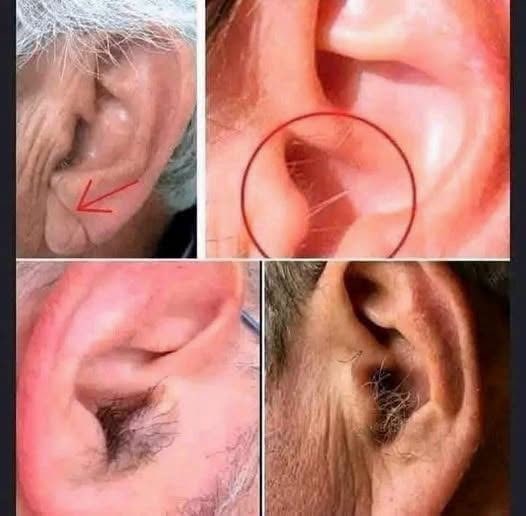
Why Do Some Men Grow Thick Ear Hair as They Age? The Real Reasons Explained
Many people have observed thick or dark hair growing on the outer ears, especially in older men. While it may seem odd or embarrassing, there’s a scientific explanation for this change that ties closely to how our bodies age.
The Role of Hormones and Genetics
As people get older, their bodies go through a series of hormonal shifts. One key group of hormones, called androgens—which include testosterone—begin to influence hair growth patterns differently than when people are younger. Hair follicles scattered across the body each respond in their own way to these hormone levels, depending largely on genetics.
For many men, this means less hair on the scalp over time but more noticeable hair growth on other areas, such as the ears, nose, or eyebrows. Ear follicles in particular may become more active and grow coarser, longer hairs as a person ages, while scalp follicles can shrink and produce finer hair.
Is Ear Hair a Cause for Concern?
The appearance of thick ear hair by itself is not cause for alarm. It does not mean that a person has high levels of testosterone, poor blood flow, or is at an increased risk for disease. Claims that ear hair growth is linked to heart disease have circulated online, but medical research does not support these ideas. In most cases, doctors view ear hair as a harmless, normal part of the aging process unless it is accompanied by other unusual symptoms or irritation.
Managing Unwanted Ear Hair
While harmless, some find ear hair bothersome or uncomfortable. The good news is, unwanted ear hair can typically be managed safely with careful trimming. It’s important to avoid aggressive removal methods that could injure the delicate skin around the ears.
A Window into the Aging Body
Ultimately, new hair growth in places like the ears serves as a reminder of how individual our bodies are—and how the aging process can play out differently depending on genetics and hormones. If you notice new or unusual hair growth, it’s usually nothing to worry about, but if you have concerns, a healthcare provider can offer reassurance or advice.







Post Comment