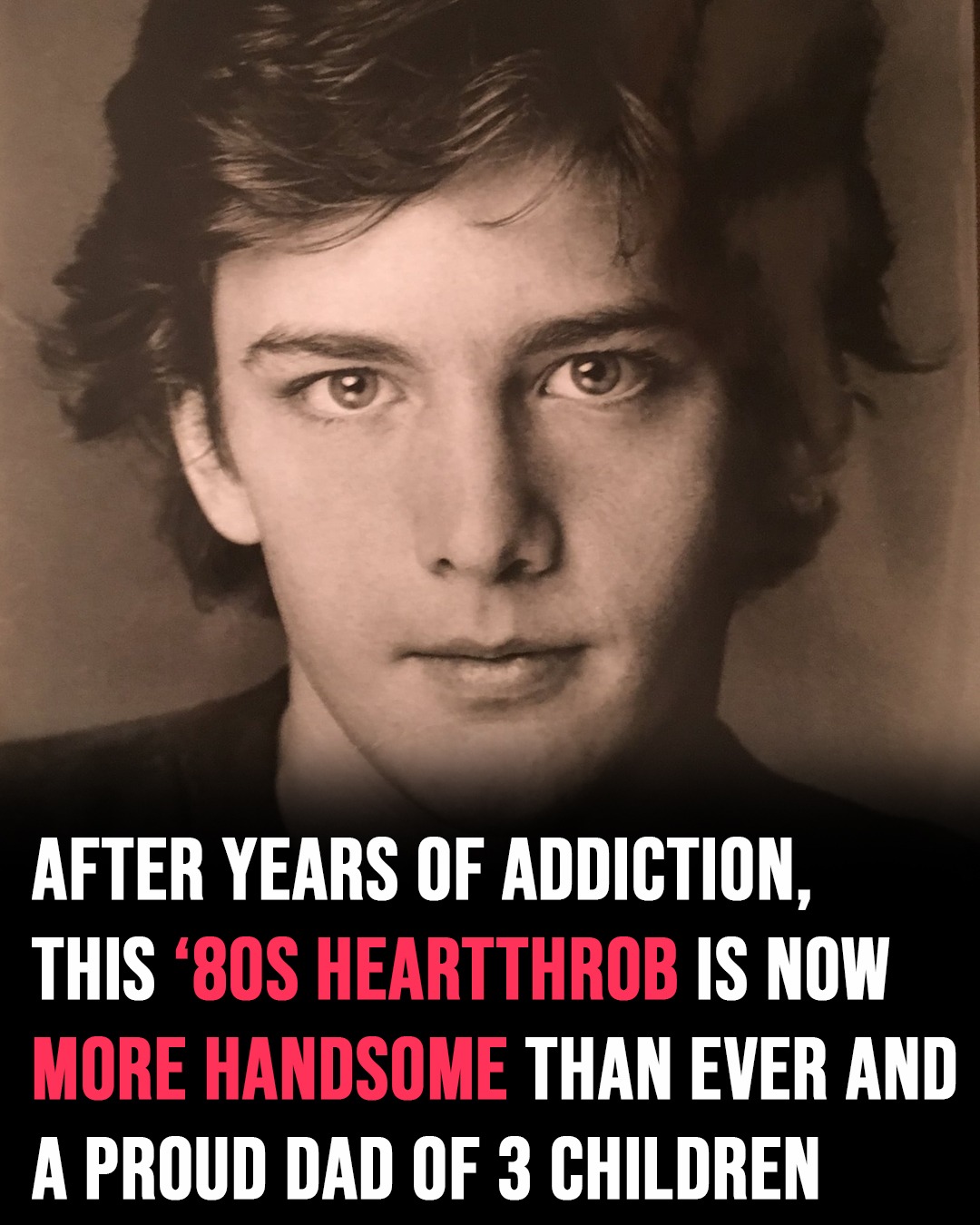
Behind the heartthrob smile and iconic ’80s films, this iconic actor was secretly battling a dangerous addiction. After a horrific collapse, he made a life-altering and his stunning transformation is nothing but remarkable. His name and story is in the comments
He was the kind of boy who ended up taped to bedroom walls — the soft-spoken, soulful face of ’80s crushes. With tousled dark hair and a shy, thoughtful gaze, Andrew McCarthy made teenage longing feel personal, as if he were looking right at you. But behind the posters, his rise was chaotic, and the life he lived off-camera was far more fragile than fans imagined.
Born in 1962 in Westfield, New Jersey, McCarthy grew up in an ordinary, middle-class family. As a teenager, he loved performing but struggled to fit in, describing himself as lonely and misplaced. After enrolling at NYU for acting, he drifted, skipped classes, and was expelled — only to land his first film, Class, weeks later after responding to an open casting call.
His breakout roles in St. Elmo’s Fire and Pretty in Pink turned him into a full-blown heartthrob, though fame never sat comfortably with him. He admitted he was unprepared for attention and recoiled from the spotlight. Being labeled part of the “Brat Pack” intensified the scrutiny, even as he delivered some of the decade’s most memorable performances.
Behind the scenes, McCarthy battled alcohol. Though fans saw sensitivity on screen, he later revealed he was often hungover while filming. Drinking gave him false confidence, and he briefly experimented with cocaine. Attempts at sobriety faltered until, at 29, he hit bottom and checked himself into rehab.
In the years that followed, he reinvented himself. McCarthy moved toward directing, eventually overseeing episodes of major series like Gossip Girl and Orange Is the New Black. He also built a second career as a travel writer, finding clarity and creativity on the road.
His personal life included two marriages and three children, and he eventually settled into a quieter family life in New York’s West Village. Today, he remains grateful but not nostalgic about his ’80s fame, preferring the steadier person he became afterward.
For fans, he’s still the soulful boy from their walls — but his true achievement is the life he rebuilt beyond the poster image.






Post Comment