Me too!.. Details in the first comment
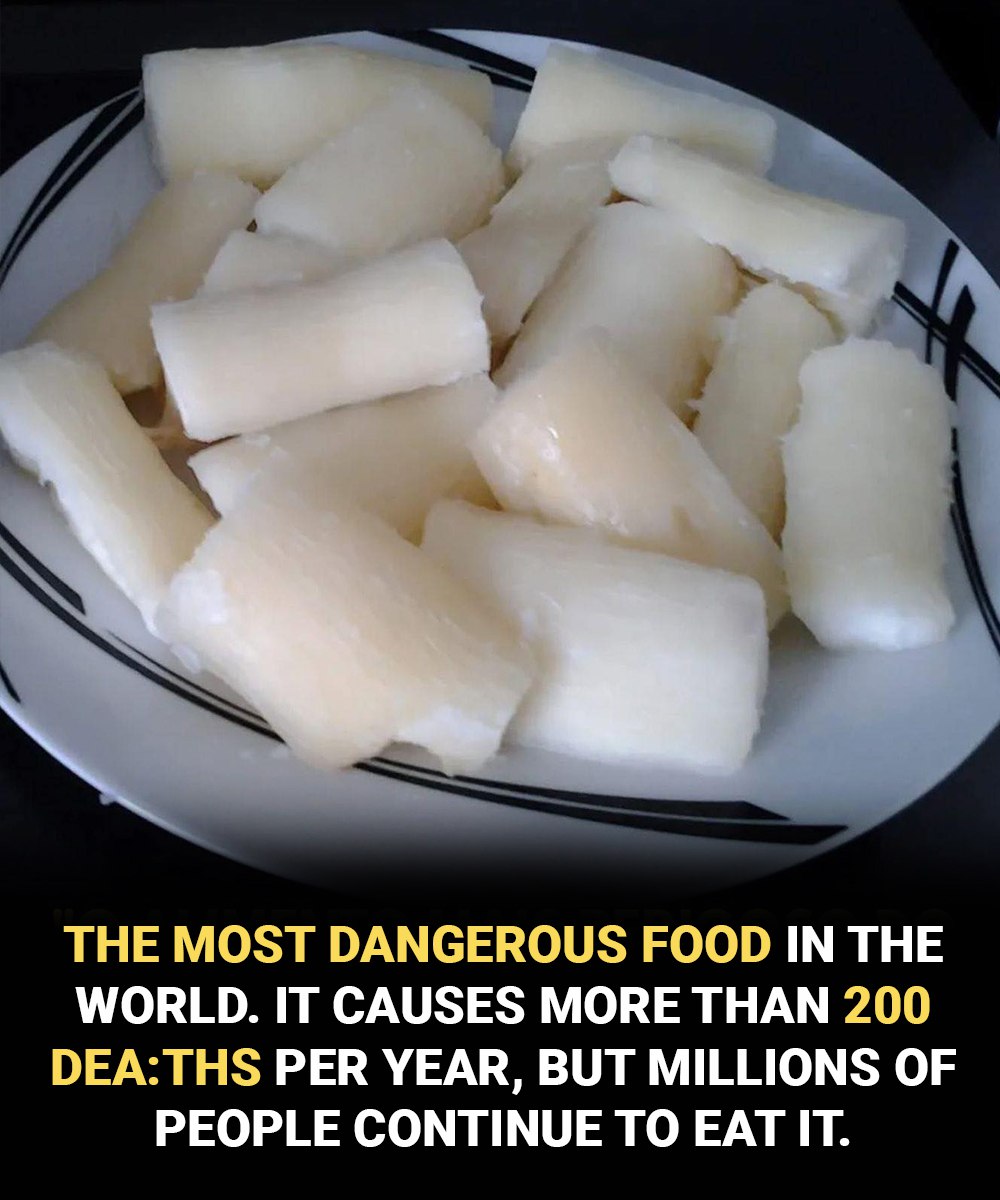
Cassava may not be a common staple in American kitchens, but around the world, it is as familiar as potatoes or rice. From Brazil to parts of Africa and Southeast Asia, this starchy root appears in breads, cakes, porridges, and fried side dishes. While versatile and nutritious, cassava carries a hidden risk: if it is not handled and cooked properly, it can release cyanide. Though that sounds alarming, the good news is that with correct preparation, cassava is safe and can be enjoyed regularly.
The risk comes from compounds called cyanogenic glycosides, found in higher amounts in the bitter varieties of cassava. When the root is peeled, grated, or chewed, these compounds can break down into cyanide. Eating cassava raw or undercooked allows too much cyanide to remain, which over time can be harmful, particularly in communities that rely heavily on cassava as a primary food source. In most home kitchens, careful peeling, soaking, and thorough boiling remove the danger, making the root safe to eat.
Serious cassava poisoning usually occurs in regions facing food insecurity. Limited fuel, water, or emergency situations can lead families to shorten cooking or soaking times, leaving toxic compounds intact. Additionally, the loss of traditional preparation knowledge can increase risk, as careful methods of soaking, fermenting, and cooking cassava are crucial to safety. In contrast, in countries like the United States, most cassava products—tapioca, frozen cassava, or flours—are processed and safe when prepared according to package instructions.
One severe consequence of poorly processed cassava is konzo, a neurological condition seen in some African communities with diets heavily reliant on bitter cassava and low in protein. Prolonged exposure to cyanide from inadequately prepared cassava can lead to sudden leg weakness, difficulty walking, and long-term movement issues. Konzo is rare and localized, but it underscores why proper preparation matters.
For most people, cassava is perfectly safe when peeled, soaked, and cooked thoroughly. With these steps, you can enjoy this versatile root without worry, just as millions of people have done safely around the world for centuries.






Post Comment