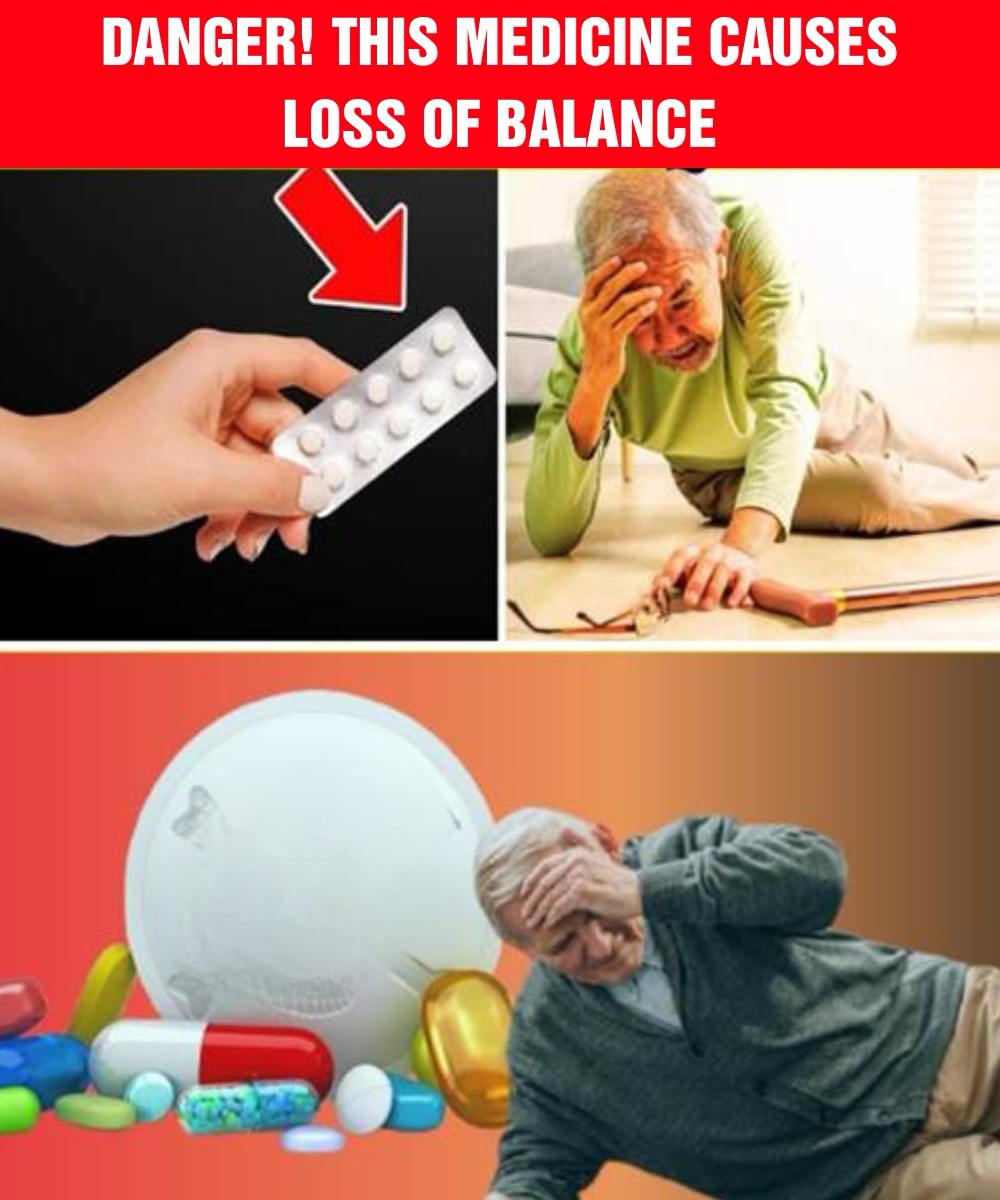
10 medications that can cause LOSS OF BALANCE
Maintaining balance is a complex process that relies on close coordination between the brain, inner ear, muscles, vision, and sensory nerves. As people age, these systems naturally become more sensitive, and certain medications can interfere with how well they work together. The result may be dizziness, lightheadedness, unsteadiness, or an increased risk of falls. Knowing which medications can affect balance is especially important for older adults and those taking multiple prescriptions.
Benzodiazepines, commonly prescribed for anxiety, insomnia, or seizures, can slow brain activity. Medications such as diazepam, lorazepam, and alprazolam often cause drowsiness and impaired coordination, making balance more difficult. Antidepressants, including both older tricyclics and newer SSRIs, may lower blood pressure or alter brain signaling, leading to lightheadedness, particularly when standing up.
Antipsychotic medications can also interfere with balance by causing sedation, muscle stiffness, or changes in inner ear function. Similarly, blood pressure medications may lead to dizziness if blood pressure drops too quickly, especially during position changes. Diuretics, often called “water pills,” can reduce blood volume and disrupt electrolyte balance, increasing the risk of unsteadiness.
Antihistamines used for allergies or motion sickness frequently cause drowsiness and confusion, while opioid painkillers depress the central nervous system and can significantly impair coordination. Sleep medications may leave lingering grogginess the next day, and anticonvulsants can interfere with motor control and inner ear signaling. Certain chemotherapy drugs may damage nerves involved in balance, leading to ongoing coordination problems.
If balance issues appear or worsen, medications should never be stopped abruptly without medical advice. A healthcare provider may adjust dosages, suggest alternatives, or recommend strategies to reduce side effects. Regular medication reviews, monitoring symptoms, staying hydrated, practicing balance exercises, and using assistive devices when needed can all help reduce fall risk and improve overall safety.






Post Comment