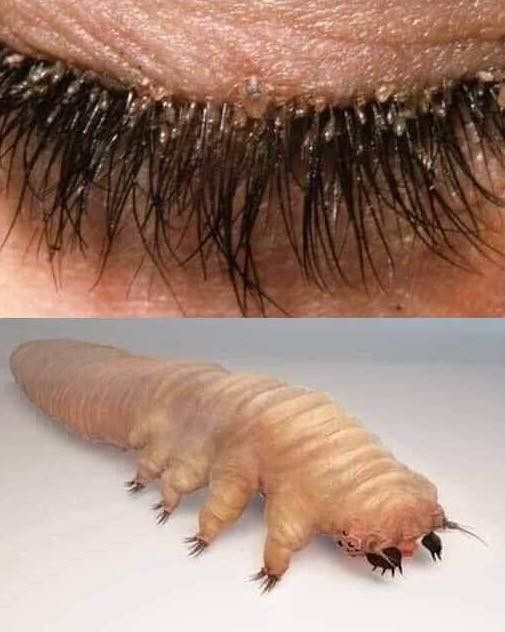
How To Spot Eyelash Mites
You’ve probably never given much thought to what lives on your eyelashes—but eyelash mites are more common than most people realize. These microscopic organisms, known as *Demodex* mites, naturally live on human skin, particularly in hair follicles and oil glands. For most people, they cause no harm at all. Problems arise only when their population grows too large.
There are two main types of *Demodex* mites that affect humans. *Demodex folliculorum* lives in hair follicles, including eyelashes, while *Demodex brevis* prefers oil glands. Factors such as aging, a weakened immune system, excess oil production, or poor eyelid hygiene can lead to overgrowth. When this happens, it may trigger blepharitis, an inflammatory condition of the eyelids.
Not everyone with eyelash mites will notice symptoms, but an overgrowth can cause clear warning signs. These include red, itchy, or swollen eyelids; a burning or gritty sensation in the eyes; crusty buildup at the base of the lashes; eyelash thinning or loss; and increased sensitivity to light. If these symptoms persist, it’s important to mention them to an eye care professional.
Managing eyelash mites usually starts with proper hygiene. Washing your face daily—especially around the eyes—with a gentle, fragrance-free cleanser helps reduce oil and debris. Regular eyelid cleaning using diluted baby shampoo or a specialized lid cleanser can be especially effective. Warm compresses applied to closed eyes for several minutes help loosen crusts and unclog oil glands, making cleaning more effective.
During flare-ups, it’s best to avoid eye makeup, as cosmetics can trap bacteria and oils. Old makeup should be discarded, and bedding and towels should be washed frequently in hot water. If symptoms don’t improve, an eye doctor may recommend treatments containing tea tree oil or prescribe medicated solutions.
Eyelash mites may sound unsettling, but they’re a normal part of life. With awareness, consistent hygiene, and proper care, they can usually be kept under control—helping maintain comfortable, healthy eyes.






Post Comment