Never knew before
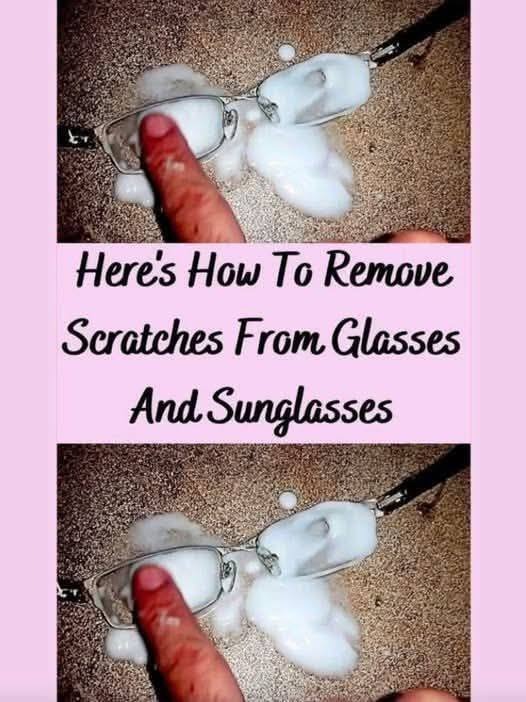
Minor scratches on eyeglass lenses can be frustrating, but not every small mark means your glasses are ruined. While deep scratches can’t truly be repaired, a few careful methods may reduce the appearance of very fine, surface-level scratches—especially on older or uncoated lenses. It’s important to proceed with caution, as many modern lenses have delicate coatings that can be easily damaged.
One commonly mentioned option is a baking soda paste. By mixing one to two teaspoons of baking soda with a few drops of distilled water, you can create a thin, smooth paste. After cleaning and drying your lenses, gently rub the paste over a hairline scratch in small circular motions for about 10–15 seconds, then rinse and dry with a microfiber cloth. This method is best suited for uncoated plastic or glass lenses and should be avoided entirely if your lenses have anti-glare, blue-light, or scratch-resistant coatings.
Another last-resort approach involves plain, non-gel toothpaste. Only basic white, non-whitening toothpaste without abrasive additives should be considered. Apply a pea-sized amount to a damp microfiber cloth, gently buff the scratch for a few seconds, then rinse thoroughly. Because many toothpastes contain polishing agents that can worsen damage, this method should be tested on the lens edge first and used sparingly.
Some people turn to car wax or lens-specific scratch fillers, which work by temporarily filling in fine scratches rather than removing them. These products may reduce glare on older sunglasses but are not recommended for everyday prescription lenses.
Ultimately, prevention is far more effective than repair. Storing glasses in a hard case, cleaning them properly, and using scratch-resistant coatings can extend their life. If scratches interfere with your vision or cause eye strain, it’s best to visit an optician. Sometimes, replacing the lenses is the safest way to restore clear, comfortable vision.






Post Comment