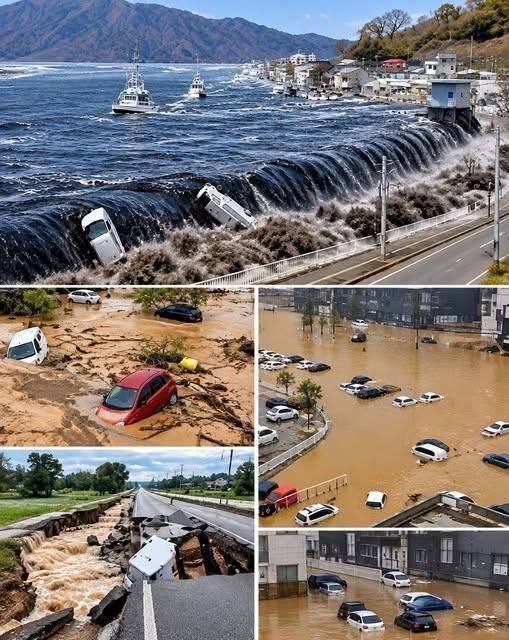
A 9.1 magnitude earthquake also caused a tsunami in the city of… See more
A powerful earthquake beneath the ocean can suddenly transform a peaceful coastline into a dangerous disaster zone. When the seafloor shifts dramatically, it can displace enormous amounts of water, generating tsunami waves capable of traveling across entire oceans and reaching coastal communities with devastating force.
Imagine a quiet morning in a seaside town. Fishing boats return to the harbor, families prepare breakfast, and shopkeepers open their businesses. Tourists admire the waves, unaware that a powerful earthquake has occurred far beneath the ocean. Within minutes or hours, depending on the distance from the earthquake, the coastline could face a life-threatening emergency.
Tsunamis are not ordinary waves caused by wind. They are usually triggered by large underwater earthquakes, although volcanic eruptions and underwater landslides can also generate them. In deep water, tsunami waves may travel at extraordinary speeds while remaining difficult to notice from a boat. As they approach shallow coastal waters, they slow down and can grow dramatically in height, producing powerful currents and extensive flooding.
The consequences can be catastrophic. Homes, roads, bridges, ports, and entire neighborhoods may be destroyed, while debris carried by the water creates additional hazards. Beyond the immediate loss of life and property, affected communities can face years of economic hardship, displacement, and emotional trauma.
Recognizing warning signs is essential. Strong or prolonged coastal shaking, a sudden and unusual retreat of the sea, or an unexpected rapid rise in water levels may indicate an approaching tsunami. However, not every tsunami produces a visible retreat of the ocean.
If you experience a strong earthquake near the coast or receive an official tsunami warning, move immediately to higher ground or inland, following local evacuation instructions. Do not wait to see the wave or return to the shore before authorities declare it safe.
Although tsunamis cannot be prevented, early-warning systems, public education, evacuation planning, and community preparedness can significantly reduce their impact. Understanding the ocean’s power and respecting natural warning signs can save lives when every second matters.







Post Comment