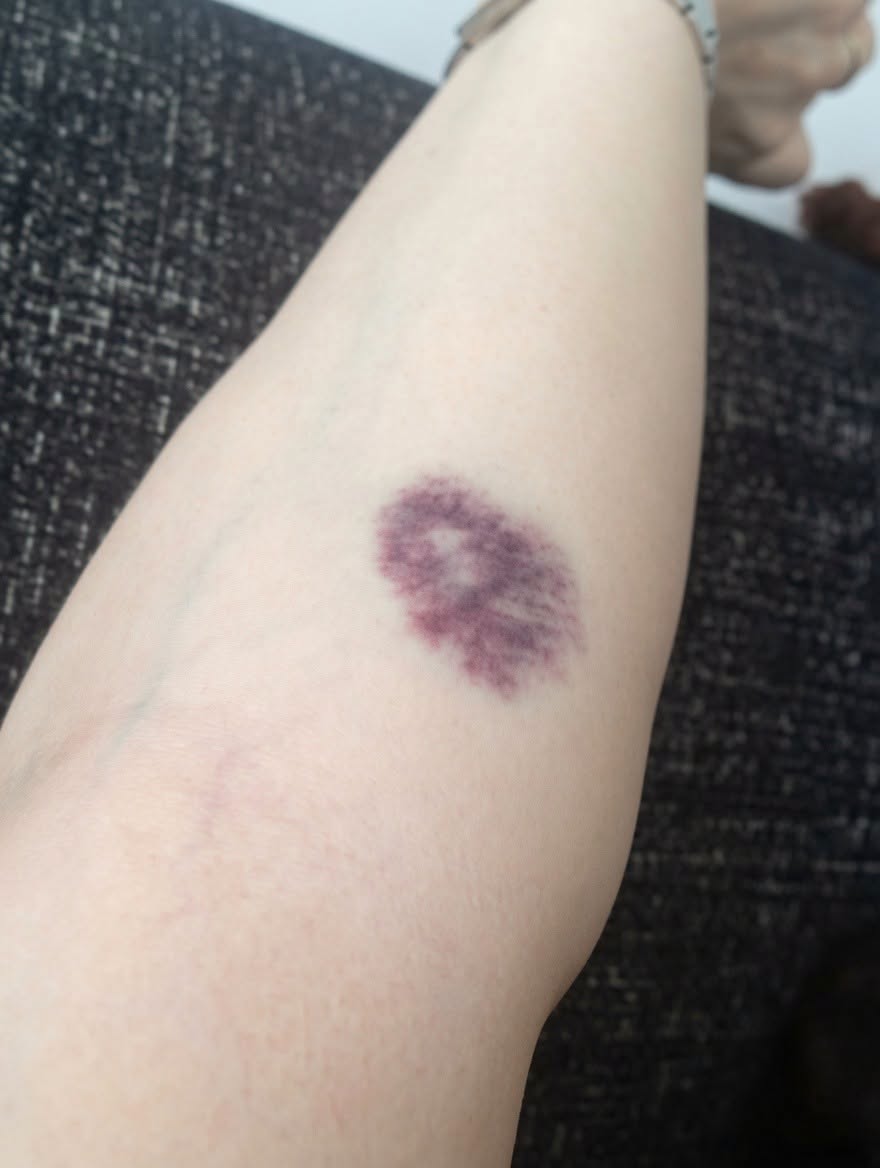
BE CAREFUL, if you get these bruises on your body, it means you have Ca…see more
# Unexplained Bruises: When Should You Be Concerned?
Most bruises are caused by minor bumps that we barely notice and usually heal on their own within a couple of weeks. However, bruises that appear without an obvious injury, occur frequently, or are unusually large may deserve medical attention.
Bruises form when small blood vessels under the skin break, allowing blood to collect in surrounding tissue. While this is usually harmless, some people bruise more easily due to aging, certain medications, or nutritional deficiencies.
Common causes of easy bruising include:
* Aging, which makes skin and blood vessels more fragile
* Blood-thinning medications such as aspirin or anticoagulants
* Corticosteroids and some anti-inflammatory drugs
* Low levels of vitamins C or K
Less commonly, frequent unexplained bruising can be linked to conditions that affect blood clotting or blood cell production, including liver disease, platelet disorders, or certain blood cancers. Bruising alone is **not enough** to diagnose these conditions, but it can be one symptom among many.
You should speak with a healthcare professional if bruising is accompanied by:
* Extreme or persistent fatigue
* Unexplained weight loss
* Frequent infections
* Prolonged bleeding from small cuts
* Frequent nosebleeds
* Swollen lymph nodes
* Tiny red or purple spots on the skin (petechiae)
Keeping track of when bruises appear, how often they occur, and whether they follow an injury can help your healthcare provider determine the cause. In many cases, a simple blood test is enough to rule out or identify common problems.
Most unexplained bruises turn out to have a harmless cause, but persistent or unusual bruising should not be ignored. If you notice a change in how easily you bruise or develop additional symptoms, it’s a good idea to seek medical advice. Early evaluation can provide reassurance or identify a condition that is easier to treat when caught early.






Post Comment