COVID-19 vaccinated individuals may be ill…See more
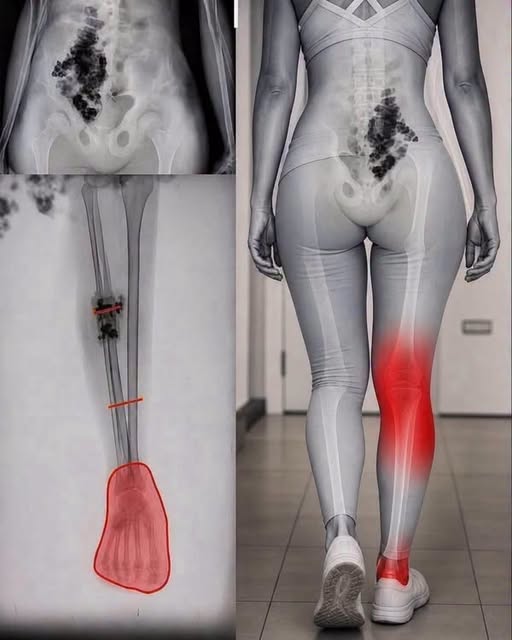
A medical illustration circulating online has sparked curiosity about a condition that can cause persistent leg pain, swelling, and unusual changes in blood vessels. The image appears to depict a vascular abnormality extending through the pelvis and lower limb, raising awareness about how problems involving veins and circulation can affect everyday movement, comfort, and overall health.
Vascular malformations are abnormalities in the development of blood vessels that may be present from birth but sometimes become more noticeable later in life. Depending on the type and location, they can involve veins, arteries, lymphatic vessels, or combinations of these structures. Some people experience only minor symptoms, while others develop chronic discomfort, swelling, skin changes, or difficulty walking. In certain cases, abnormal blood flow or clotting within affected vessels can contribute to additional complications.
Doctors typically investigate suspected vascular abnormalities through a combination of physical examinations and specialized imaging, including ultrasound and magnetic resonance imaging. These tests help identify which blood vessels are involved and whether treatment is necessary. Management varies considerably depending on the diagnosis and may include compression garments, medication, minimally invasive procedures, or surgery. Not every vascular malformation requires immediate treatment, and many patients can manage their symptoms successfully with appropriate medical care.
The illustration also highlights why persistent leg pain should never be dismissed without understanding its cause. Although muscle strain and overuse are common explanations, circulation problems, nerve conditions, and other medical issues can sometimes produce similar symptoms. Sudden swelling or severe pain in one leg deserves prompt medical assessment, particularly when accompanied by redness or warmth. Most importantly, an image alone cannot establish a diagnosis. Recognizing unusual symptoms and seeking professional evaluation can make a meaningful difference in identifying underlying conditions and choosing the right treatment.







Post Comment