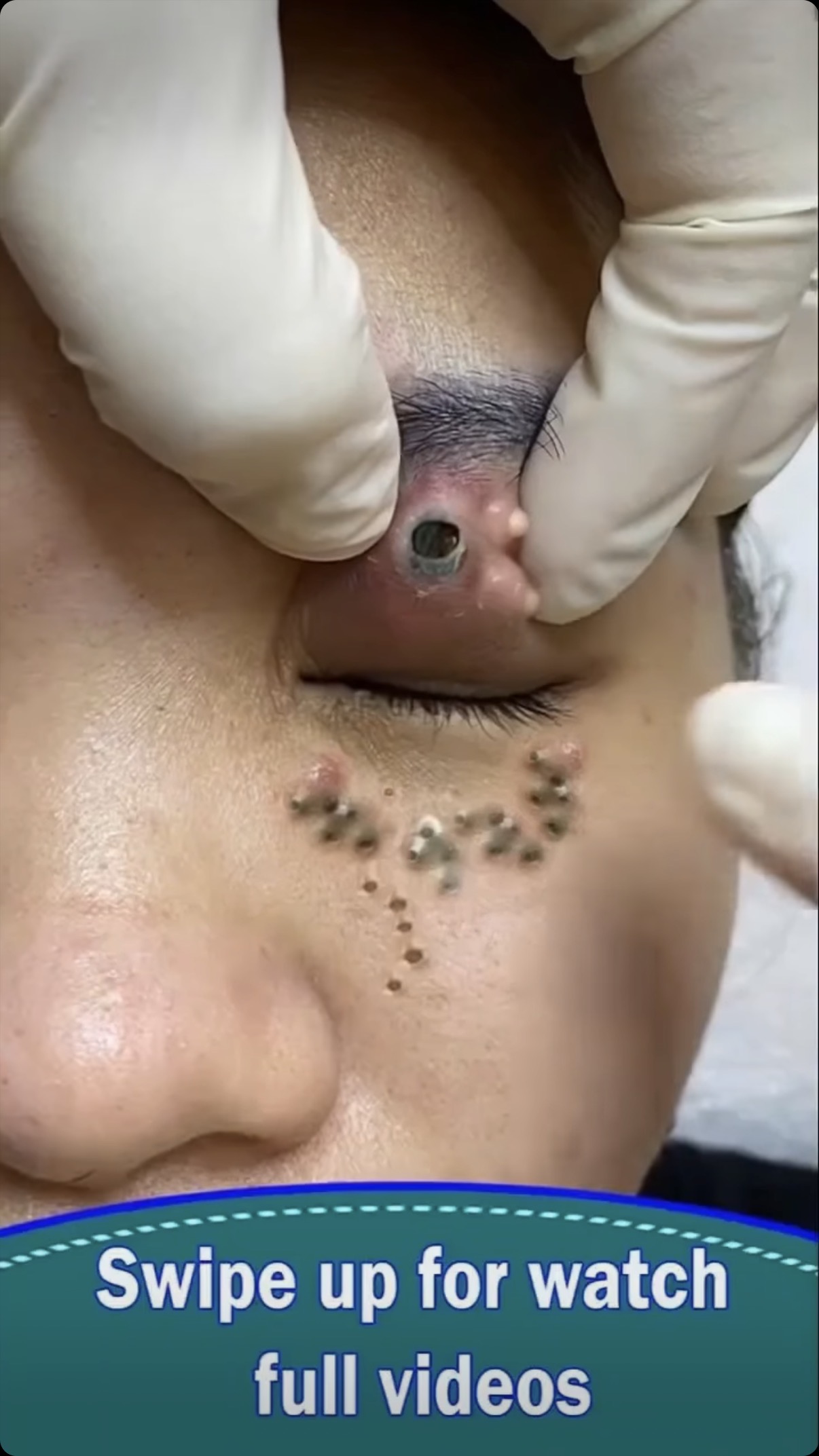
Magot removal…
Maggot removal is a process that may be required in medical, veterinary, or sanitation contexts when fly larvae infest living tissue, wounds, or decomposing organic material. This condition, known as myiasis in medical terms, can occur when flies lay eggs in open wounds or moist, unclean environments. While it may sound alarming, effective and timely removal of maggots is essential to prevent infection, tissue damage, and further complications.
In medical settings, maggot infestations are most commonly associated with neglected wounds, poor hygiene, or individuals who are unable to properly care for themselves. Interestingly, not all maggots are harmful—some are even used therapeutically in controlled environments to clean dead tissue from wounds. However, uncontrolled infestations require prompt attention.
The removal process typically begins with cleaning and disinfecting the affected area. Healthcare providers may apply substances such as saline solution, antiseptics, or specific agents that encourage the maggots to surface, making them easier to extract. In some cases, occlusive techniques—covering the wound to limit oxygen—are used to force the larvae outward. Manual removal with sterilized tools is often necessary to ensure that all larvae are eliminated.
After removal, the wound must be thoroughly cleaned and treated to prevent infection. This may include the use of antibiotics, proper dressing, and ongoing monitoring. Pain management is also an important consideration, as the process can be uncomfortable for the patient.
Prevention plays a key role in avoiding maggot infestations. Proper wound care, hygiene, and maintaining a clean environment are critical. In vulnerable populations, such as the elderly or those with limited mobility, regular inspection of skin and wounds can help detect issues early.
In non-medical contexts, such as waste management or animal care, maggot removal involves eliminating the source of attraction—typically decaying organic matter—and maintaining cleanliness. Proper disposal of waste and controlling fly populations are effective preventive strategies.
Overall, while maggot infestations can be distressing, they are manageable with appropriate care and attention. Early intervention and consistent hygiene practices significantly reduce the risk and ensure better outcomes.







Post Comment