
5 Must-Plant Flowers That Attract Butterflies and Bees
Most people skip this step — and their garden shows it.
5 Must-Plant Flowers That Attract Butterflies and Bees
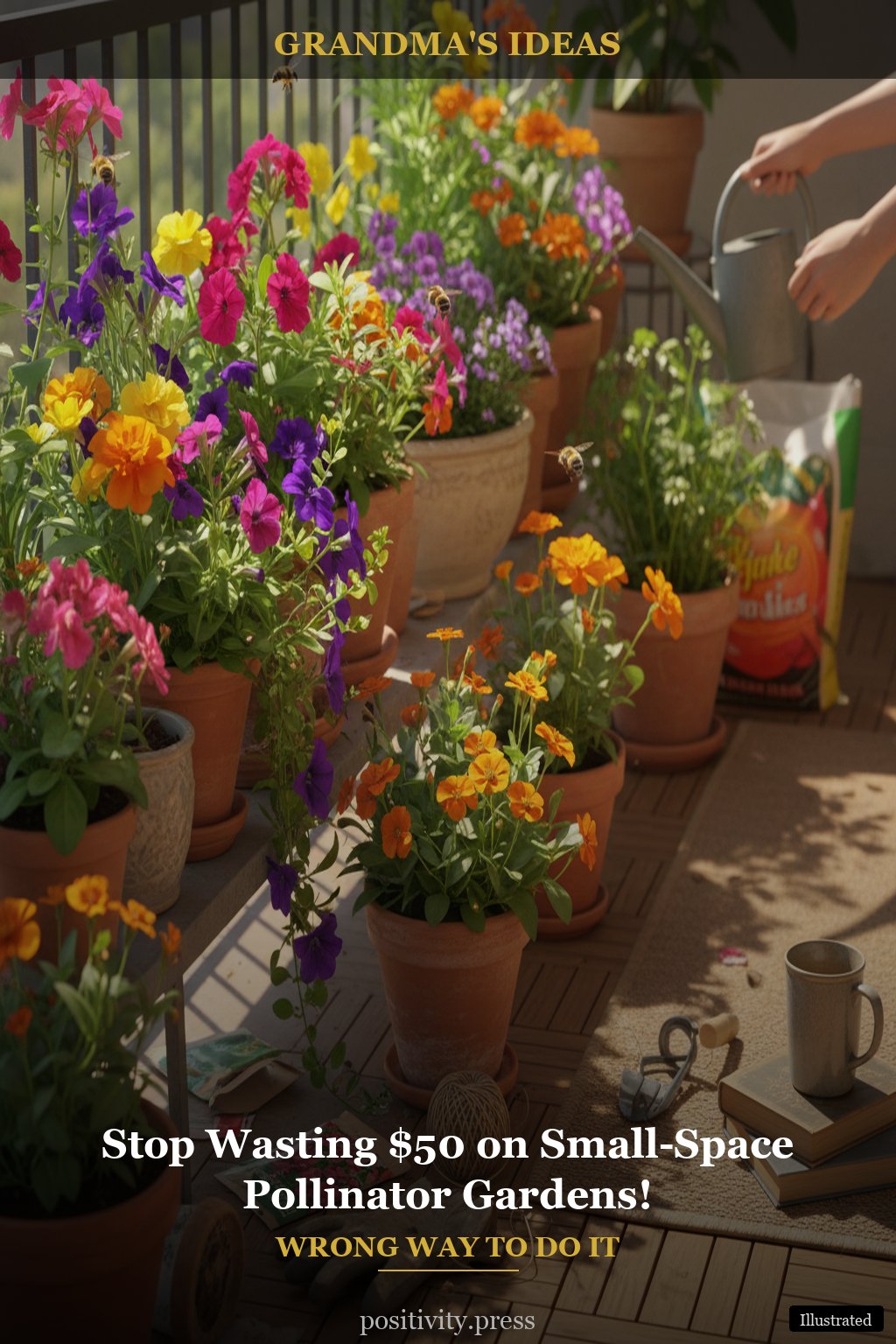
Oh dear, there’s nothing quite as delightful as a garden buzzing with life! Grandma always said that a garden should be a haven for not just us, but for all the little creatures that flutter and buzz around. If you’re looking to attract beautiful butterflies and busy bees to your garden, you’ve come to the right place! Here are five must-plant flowers that will bring joy and color to your yard while supporting our pollinator friends.
1. Milkweed
Milkweed is a superstar in the world of butterflies, especially for our beloved monarchs. Grandma always had a patch of milkweed in her garden, and you should too! This perennial plant is not just pretty; it’s essential for the life cycle of monarch butterflies. Here’s what you need to know:
- Plant Type: Perennial
- Sun Requirements: Full sun to partial shade
- Soil Type: Well-drained soil
- Watering: Regular watering, but don’t let it sit in water
Plant milkweed in groups for a stunning display. These plants produce clusters of pink, orange, or white flowers that will not only attract butterflies but also bees and other beneficial insects. Grandma swore by the simple trick of planting them near a sunny spot where the butterflies would flit about happily. You’ll be amazed at how many butterflies come to visit!
2. Coneflower (Echinacea)
Coneflowers are like the sunshine of the garden, with their vibrant colors and sturdy nature. They’re not just beautiful; they’re also a favorite among bees and butterflies. Grandma always said that if you want a flower that lasts, go for coneflowers!
- Plant Type: Perennial
- Sun Requirements: Full sun
- Soil Type: Drought-tolerant, well-drained soil
- Watering: Water once a week, more often during dry spells
These tough little flowers bloom from early summer to fall, giving you a long-lasting burst of color. Plus, they make great cut flowers for your home! Just remember, Grandma always advised not to overwater them. They thrive on neglect, so let them do their thing!
3. Lavender
Oh, the sweet scent of lavender! Not only does it smell divine, but it’s also a magnet for bees. Grandma loved to dry lavender and make sachets, but it’s also a wonderful addition to any garden. Here’s how to grow this lovely flower:
- Plant Type: Perennial
- Sun Requirements: Full sun
- Soil Type: Sandy, well-drained soil
- Watering: Water sparingly, as lavender prefers dry conditions
When planted in well-drained soil, lavender can thrive in hot and dry conditions, which is perfect for those of us with busy schedules. This old trick works every time: harvest your lavender just before it fully blooms for the best fragrance. You’ll not only attract bees but also have a delightful herb to use in your cooking!
4. Zinnias
Zinnias are like a rainbow in your garden, bursting with color and charm. These cheerful blooms are easy to grow and are favorites among butterflies. Grandma always said, “A garden without zinnias is like a day without sunshine!” Here’s how to make these beauties thrive:
- Plant Type: Annual
- Sun Requirements: Full sun
- Soil Type: Well-drained soil with good fertility
- Watering: Regular watering, especially during dry spells
Zinnias bloom from summer until the first frost, so you can enjoy their colors for months! They come in a variety of heights and shades, making them perfect for borders or cutting gardens. Plus, they’re so easy to grow from seed! Just remember to pinch back the tips to encourage bushy growth, and you’ll have a zinnia paradise in no time.
5. Black-Eyed Susans (Rudbeckia)
Black-eyed Susans are like the friendly faces of the garden! With their bright yellow petals and dark centers, they’re sure to catch your eye. Grandma usually planted these beauties near her front porch, and they never failed to bring a smile. Here’s how to grow them:
- Plant Type: Perennial
- Sun Requirements: Full sun
- Soil Type: Well-drained soil
- Watering: Moderately, especially in dry months
These flowers are not only stunning but also very low-maintenance. They attract bees and butterflies while being resistant to drought and pests. Just make sure to deadhead them regularly to promote more blooms. Grandma always said that the happier the plants, the more visitors you’ll have!
Creating a Butterfly and Bee Haven
Now that you know which flowers to plant, let’s talk about creating a welcoming space for our buzzing friends. Here are some tips from Grandma’s garden wisdom:
- Plant in Clusters: Butterflies and bees are attracted to groups of flowers. Plant in clusters to create a vibrant space!
- Provide Water: A shallow dish with water and some stones can provide a drinking spot for butterflies and bees.
- Avoid Pesticides: Chemicals can harm our little helpers. Instead, opt for natural pest control methods.
- Include Host Plants: In addition to nectar plants, consider adding host plants for caterpillars, such as parsley or dill.
Grandma always emphasized the importance of nurturing our environment. By planting these flowers and creating a welcoming habitat, you’re not only beautifying your garden but also helping to support the ecosystem. Remember, every little effort counts!
Final Thoughts
Gardening is such a special way to connect with nature and create a haven for your loved ones. With these five must-plant flowers, your garden will soon be alive with the fluttering of wings and the gentle hum of bees. As you cultivate your beautiful space, remember Grandma’s loving advice: “Plant with joy, and nature will reward you.” Happy gardening, dear friends!



Post Comment