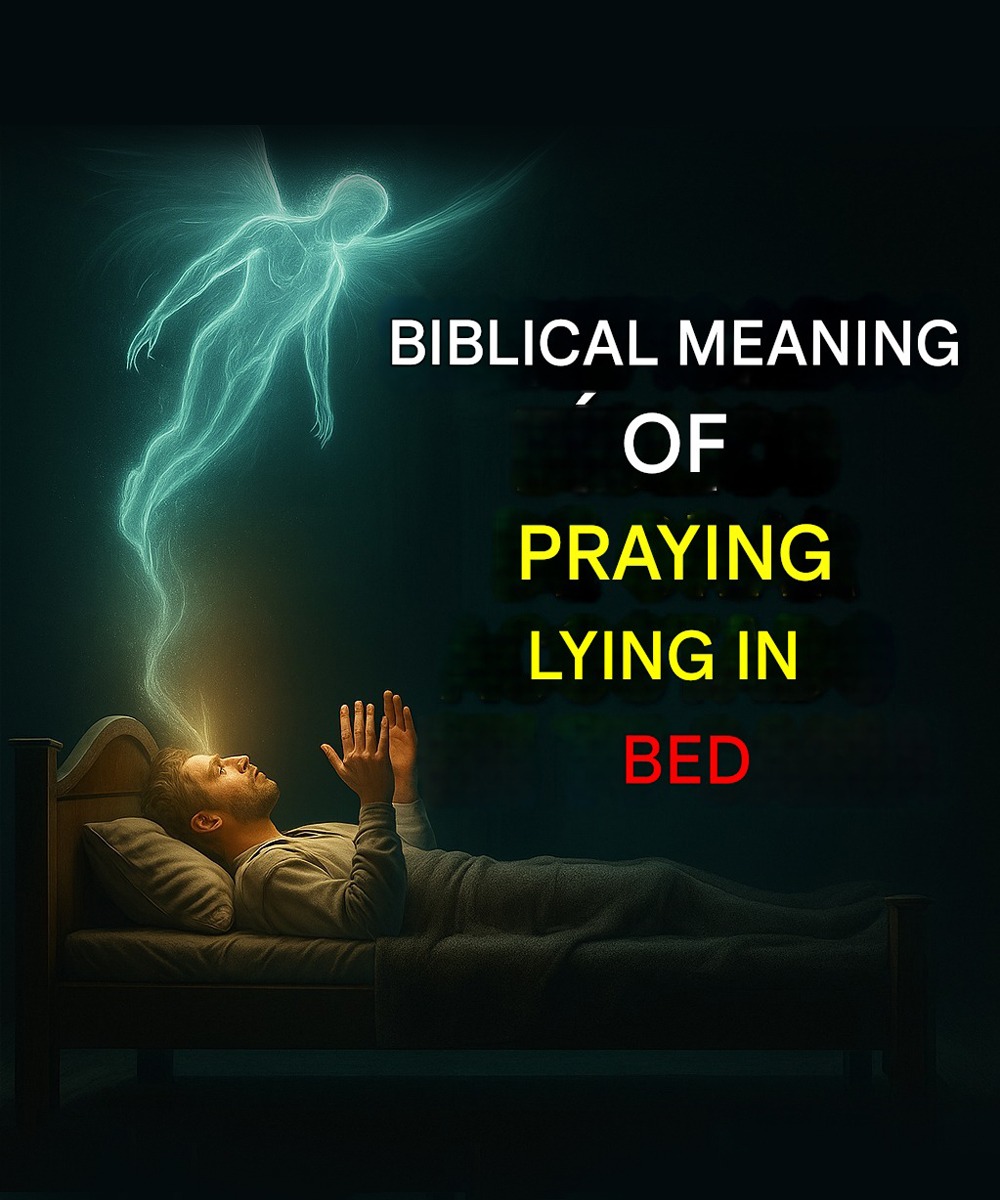
Are you embarrassed to pray while lying in bed? Find out what the Bible says about it
Many Christians feel a twinge of guilt when exhaustion pulls them into bed before they’ve “properly” prayed. Kneeling seems ideal, standing reverent, sitting focused—but lying down? It can feel lazy or irreverent, as if the body’s fatigue dishonors God. Yet Scripture paints a different picture: God hears the heart, not the posture. Quiet, whispered nighttime prayers offered from a horizontal position are often among the most intimate and authentic moments of communion with Him.
Weariness is woven into the human experience. Long days drain energy, chronic illness lingers, parenting young children or caring for aging loved ones leaves little reserve. On those nights, a full kneeling prayer might be impossible. A simple, whispered “Lord, I’m so tired—hold me” becomes the only offering possible. Far from being inadequate, such prayers reflect raw honesty. God does not demand performance; He invites vulnerability. The Bible repeatedly affirms that sincere cries reach Him regardless of physical position. What matters is the posture of the heart—humble, trusting, open—not the angle of the body.
Scripture itself normalizes prayer and reflection from a place of rest. Psalm 4:4 instructs, “Tremble and do not sin; when you are on your beds, search your hearts and be silent.” Here, the bed is not a barrier to God but a setting for honest self-examination and quiet communion. Nighttime, free from daytime distractions, becomes sacred space for the soul to listen and speak. Several pivotal biblical encounters unfolded while people lay down. Jacob, fleeing danger and collapsing in exhaustion, dreamed of the ladder to heaven and received God’s covenant promise (Genesis 28:10–15). Solomon, lying down to sleep, encountered God in a dream and asked for wisdom that would define his reign (1 Kings 3:5–15). Even in hardship, prayer from a prone position carried power: Paul and Silas, beaten and chained on a prison floor, prayed and sang hymns at midnight, triggering an earthquake that opened doors and brought salvation (Acts 16:25–34). These stories remind us that God meets us where we are—physically and emotionally.
Jesus Himself modeled and taught private, unpretentious prayer. In Matthew 6:6, He instructs, “When you pray, go into your room, close the door and pray to your Father, who is unseen.” The bedroom—often the most personal, unguarded space—becomes a sanctuary precisely because it strips away performance. Lying in bed, too tired for elaborate words, a believer can simply rest in God’s presence. Vulnerability born of fatigue often deepens sincerity; when pretenses fall away, the heart speaks plainly. Falling asleep mid-prayer is not failure; it is trust—surrendering into the arms of the One who “grants sleep to those He loves” (Psalm 127:2).
Ultimately, praying while lying down does not diminish spiritual depth; it can enhance it. Tiredness lowers defenses, inviting genuine dependence rather than self-reliant effort. A whispered plea in the dark—“God, I can’t do this alone”—carries profound weight because it comes from weakness, not strength. The bed, far from being a place of spiritual laziness, can become an altar of faith, rest, and honest encounter.
So the next time exhaustion claims you before prayer feels “complete,” release the guilt. Whisper what you can. Let your head sink into the pillow knowing God is near. In quiet weakness, prayer becomes simple, honest, and deeply powerful. Falling asleep in His presence is not neglect—it is the truest form of rest.






Post Comment