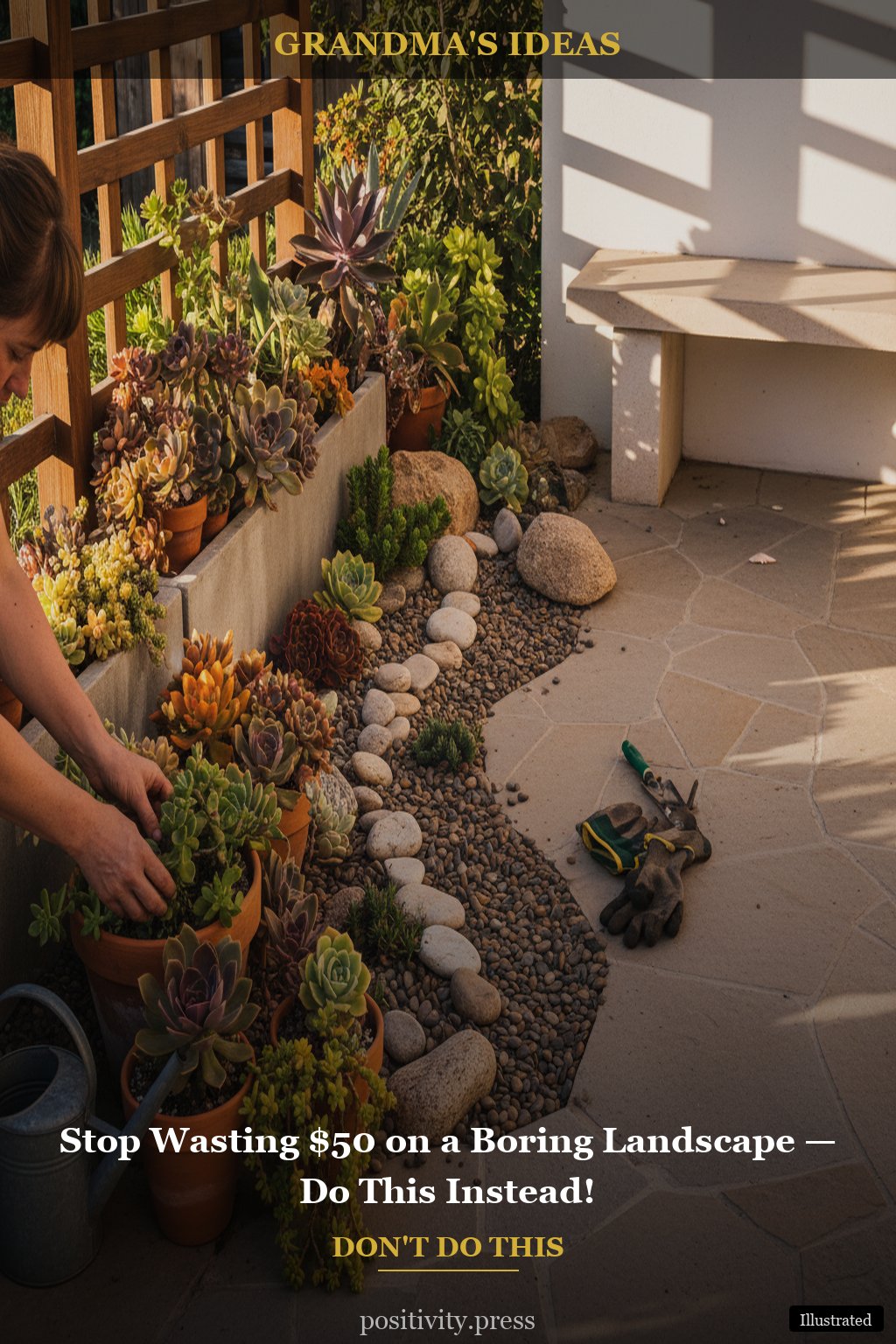
Stop Wasting $50 on a Boring Landscape — Do This Instead!
1. Start with a Plan
Every good garden begins with a thoughtful plan. Take a moment to sketch out what you dream of seeing in your landscape. Consider the space you have and how much sunlight it receives. Drought tolerant landscape design is all about **smart placement** and **choosing the right plants**. Look for areas that need extra attention and think about how plants can compliment each other.
Use what you already have at home, like old cardboard or newspaper to mark out where your beds will go. This way, you can visualize the space without spending a dime!
Composting can reduce household waste by 30% while creating free fertilizer.
2. Select Water-Efficient Plants
Choosing the right plants is essential for creating a drought-resistant garden. Look for **native species** that thrive in your area, as they’re already adapted to your local climate and soil conditions. Some affordable, water-efficient plants include:
- Lavender
- Succulents
- Yarrow
- Agave
These beauties not only save water but also bring vibrant colors and textures to your landscape. Grandma always said, “Choose plants that work hard for you!”
3. Incorporate Mulch
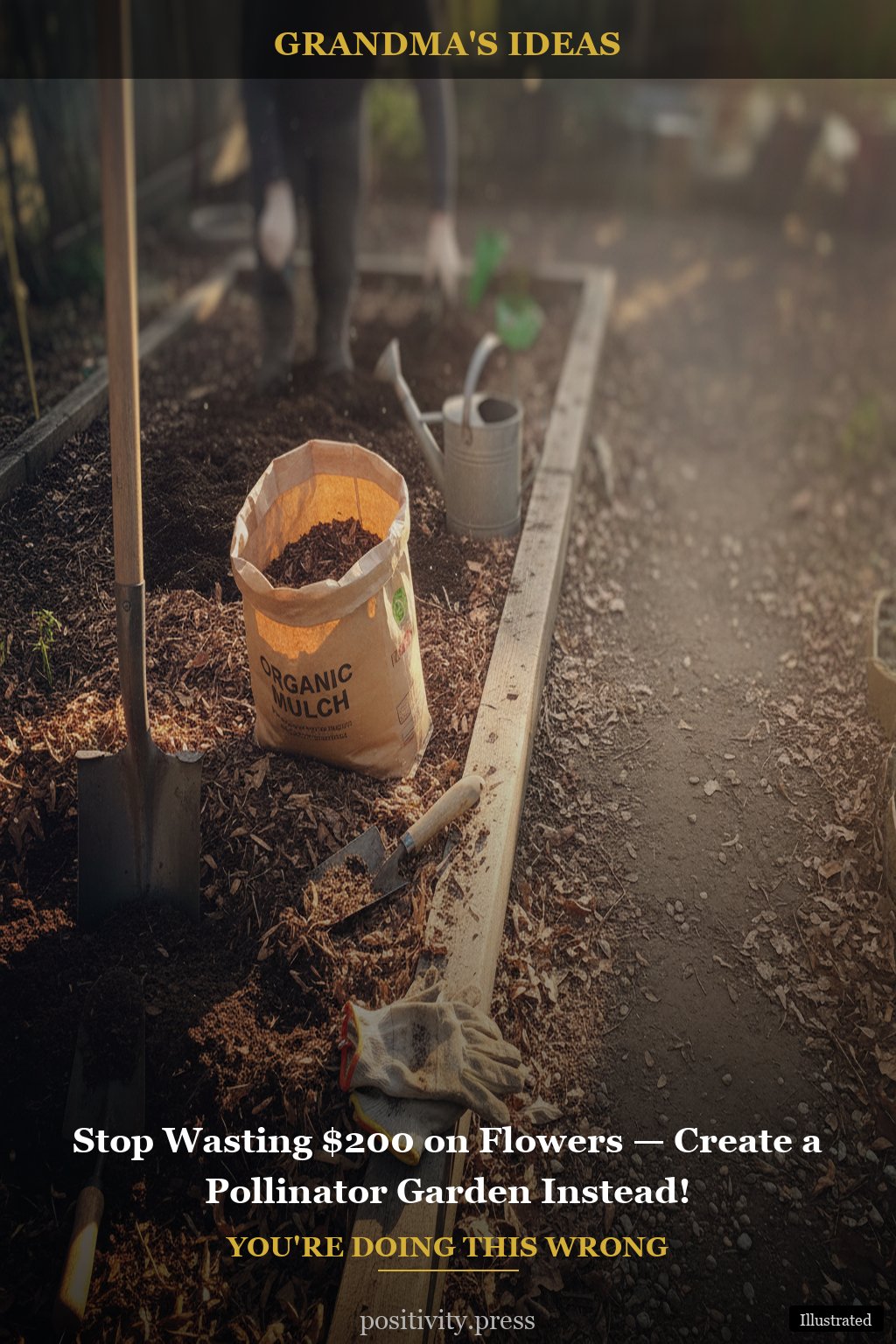
Mulch is a wonderful, old-fashioned trick to help retain soil moisture. It can reduce the need for watering and suppress weeds, giving your plants a better chance to thrive. Using materials like shredded leaves, straw, or even grass clippings can create a cozy, textured look in your garden.
And the best part? It’s often free! Just remember to add a layer of about 2-3 inches around your plants, keeping it away from the stems to prevent rot.
Pin this for the next time you feel stuck
4. Use Drought-Tolerant Ground Covers
Instead of traditional grass, consider drought-tolerant ground covers like clover or creeping thyme. These alternatives are not only **water-efficient** but also add unique beauty and can be walked on. They can even attract pollinators to your garden.
Plus, these ground covers often require less maintenance and mowing. That means more time for cozy afternoons sipping lemonade on your porch!
5. Create Decorative Hardscapes
Let’s not forget about hardscaping! Adding stones, gravel, or decorative rocks can reduce the amount of lawn you need to water while also creating lovely focal points in your garden. Try creating a small patio area or a pathway using materials sourced from local suppliers or even your own yard.
Remember, hardscaping works beautifully alongside plants, creating a balanced, **low-maintenance landscape**.
6. Collect Rainwater
Rain barrels are a great way to collect all that free water Mother Nature provides. You can create a simple rainwater collection system using a barrel placed under your downspout. Grandma always said, “Waste not, want not!”
This water can then be used to hydrate your plants during dry spells. Plus, it’s an eco-friendly option that cuts down on your water bill!
7. Group Plants by Water Needs
When planting, group your plants according to their water needs. This way, you can ensure that the plants requiring more moisture are getting enough while those that thrive on less can conserve their resources. This method is part of a great garden design called **xeriscaping**, which emphasizes water conservation.
As you plant, keep in mind that even drought-tolerant plants may need a bit of extra love when first getting established.
The real secret is actually this:
8. Embrace Seasonal Changes
Creating a drought-tolerant landscape doesn’t mean your garden has to look dull during dry seasons. Embrace seasonal changes by planting a mix of perennials and annuals that bloom at different times of the year. This way, you’ll have a garden filled with life all year round.
Grandma always said, “Nature has a way of surprising us” — and how true that is! With careful planning, every season can bring joy to your garden.
Something Small That Goes a Long Way
If you want to make this even easier, simple tools like a garden kneeler can save time and money without any extra effort. It makes planting and weeding a breeze, ensuring your back stays happy while you enjoy the cozy work of gardening.
The Biggest Mistake People Make
One common mistake many gardeners make is not considering their local climate. Choosing plants that aren’t suited for your environment can lead to wasted effort, increased water use, and disappointment. It’s essential to do a little research on what grows well in your region.
Another pitfall is neglecting to think about the layout of your garden. Without proper design, you risk overcrowding plants or placing water-intensive species where they don’t belong. Take the time to plan, and your garden will thank you!
Estimated savings: $200–$300 per project (vs $500+ retail)
Conclusion
Creating a drought-tolerant landscape on a budget is entirely possible with a little creativity and planning. By choosing the right plants, incorporating mulch, and making the most of your local resources, you can have a thriving garden that’s both beautiful and sustainable.
Grandma would say: stop thinking, start doing



Post Comment