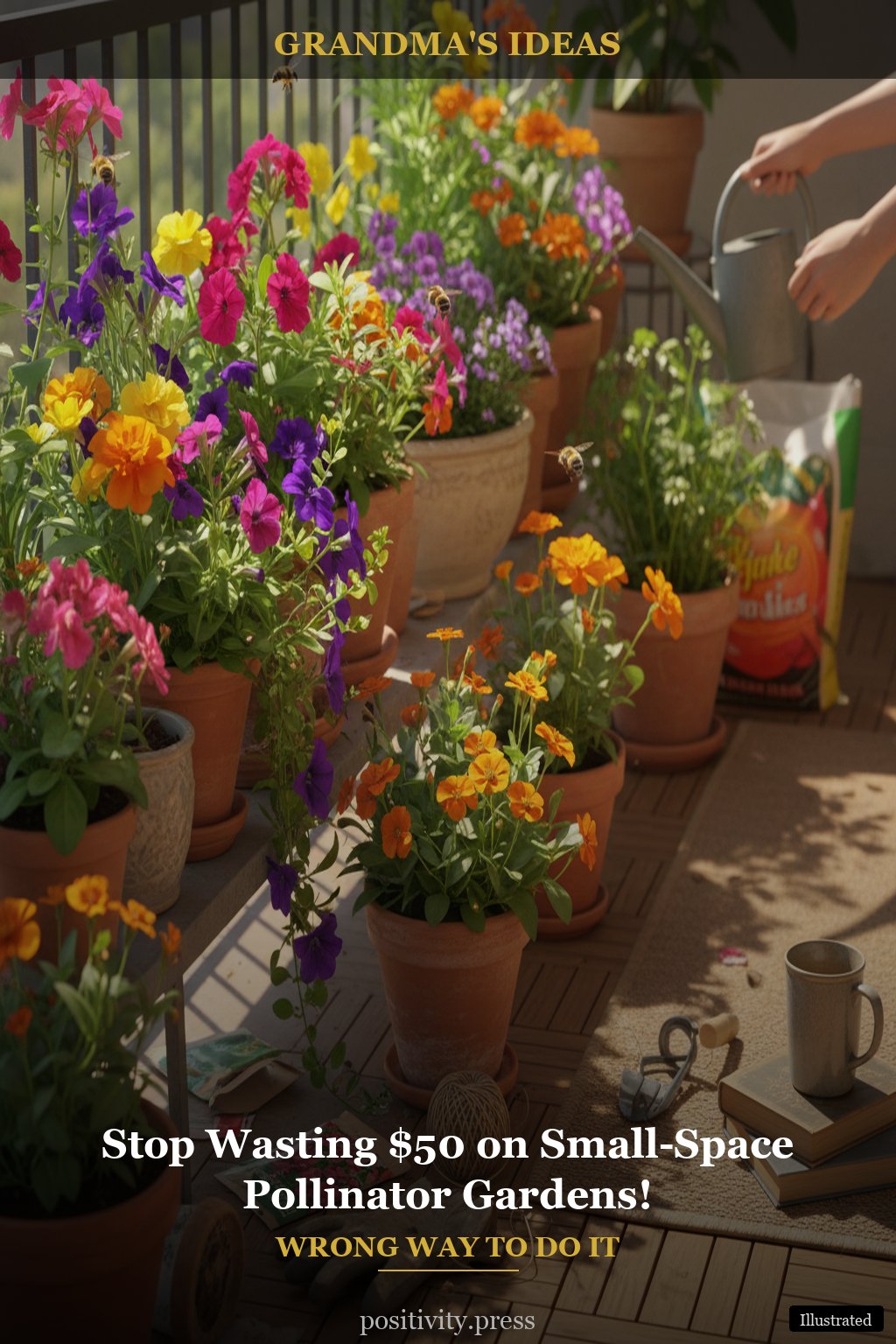
Stop Wasting $50 on Small-Space Pollinator Gardens!
1. Choose the Right Location
Before you rush to the store, take a moment to assess your space. **Pollinators love sunshine**, so find a spot that gets at least six hours of sunlight each day. Avoid areas with too much shade or strong winds, as they can deter bees and butterflies.
Look for corners of your porch, balcony, or even a sunny windowsill. If you have a small yard, position your garden close to where you spend most of your time. This way, you can enjoy the beauty of your garden and the delightful buzz of pollinators.
Raised beds warm up 2-3 weeks earlier in spring, extending your growing season.
2. Use Containers for Flexibility
Container gardening is perfect for small spaces. You can easily move your plants around to find the best light or to create a cozy layout. Plus, it allows you to use **what you already have** — old buckets, pots, or even repurposed kitchenware can become charming planters.
Just make sure your containers have drainage holes. This simple fix prevents waterlogged roots and encourages healthy blooms. Remember, a mixture of sizes and colors can create a beautiful display!
3. Select Pollinator-Friendly Flowers
Not all flowers are created equal when it comes to attracting pollinators. **Opt for native plants** whenever possible, as they are better suited to your local environment. Some great options include:
- Lavender
- Bee Balm
- Black-eyed Susans
- Butterfly Bush
- Zinnias
These flowers not only look lovely but also provide essential nectar and pollen for bees and butterflies. Mix heights and colors for a vibrant garden that delights everyone.
Save this for your next trip to the thrift store
4. Plant in Groups
Rather than scattering your flowers, plant them in **clusters**. This old-fashioned trick makes it easier for pollinators to find food and encourages them to linger longer. Plus, a well-designed arrangement looks more cohesive and inviting.
By grouping flowers of the same kind, you create a stunning visual effect and help create a friendly atmosphere for visiting pollinators. Consider the bloom times, too, so you can enjoy flowers all season long!
5. Incorporate Herbs
Make sure to leave some of the herbs to flower, as the blooms are just as enticing to pollinators as traditional flowers. Plus, you’ll get the bonus of enjoying your home-cooked meals with fresh herbs.
Grandma always emphasized this part:
6. Keep it Simple with Water Sources
Pollinators need water just as much as they need flowers. A small, shallow dish filled with water can make a world of difference. Add a few pebbles to give bees a landing spot, and you’ll have a cozy watering hole that encourages them to visit.
Change the water regularly to keep it clean and fresh. This simple fix will attract more pollinators and support their needs. Remember, a small detail makes a huge impact!
7. Mulch for Moisture Retention
Don’t forget about mulching! Not only does it help retain moisture in your containers, but it also keeps the soil temperature stable. You can use shredded leaves, straw, or even grass clippings as mulch.
Mulching will help your plants thrive, and you might find that this old-fashioned trick saves you a bit on watering too. Choose organic materials that will break down over time, enriching your soil.
8. Use Homemade Fertilizers
Instead of buying expensive fertilizers, consider making your own. A simple **compost tea** can be made by soaking kitchen scraps like vegetable peels or coffee grounds in water. This economical trick provides your plants with nutrients without breaking the bank.
Feed your plants every couple of weeks to give them an extra boost. With what you already have, you can cultivate a thriving small-space pollinator garden.
What Grandma Would Do Differently
Grandma always believed in quality over quantity. Instead of trying to pack as many plants into a small space as possible, she would focus on nurturing a few well-planned varieties. Taking the time to choose plants that thrive together and complement one another leads to a healthier garden.
She also knew the value of patience. It might take a season or two to see your garden flourish, but with dedication and care, the results will be rewarding. Remember, gardening is a journey, not just a destination.
Lastly, Grandma would remind you to enjoy the process! Take a moment to sit in your garden, sip some tea, and watch the pollinators at work. It’s in these cozy moments that you truly appreciate the beauty of your small-space pollinator garden.
Estimated savings: $30–$40 per project (vs $50+ retail)
Pick your favorite idea and do it today — no excuses
You might also enjoy: porch and outdoor living space decor
You might also enjoy: holiday recipes passed down generations



Post Comment