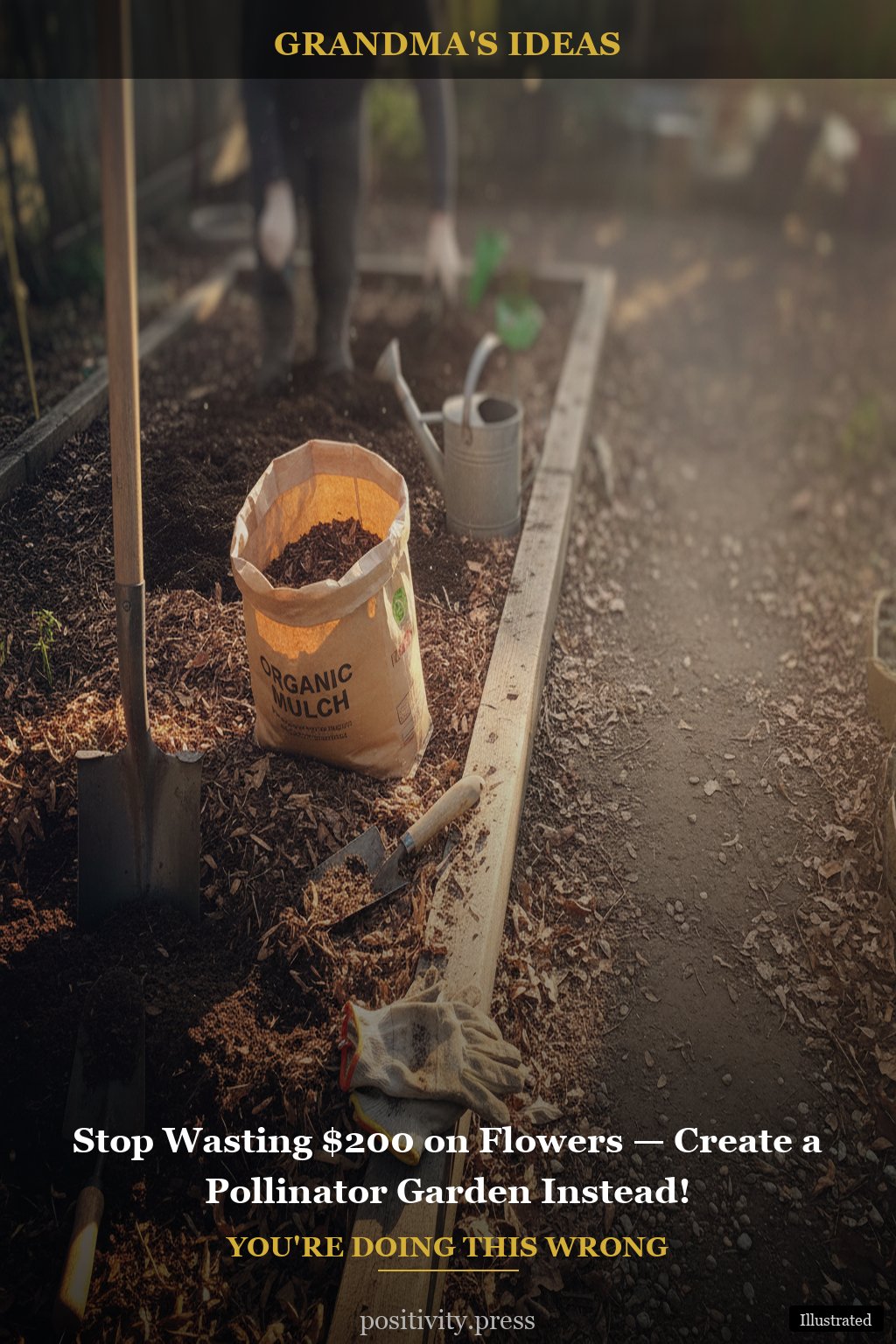
Stop Wasting $200 on Flowers — Create a Pollinator Garden Instead!
I Tried Creating a Pollinator Garden in My Backyard — Here’s What Happened
As a girl, I remember spending countless afternoons in my grandma’s garden, surrounded by vibrant flowers and the soft hum of bees. It was like stepping into a magical world where every bloom had a purpose, and every buzzing bee was a little helper. I always thought, ‘One day, I’ll have a garden just like this.’ Fast forward to adulthood, I realized that my own backyard was lacking that charm and life. So, I decided to create a personal pollinator garden—a space that not only beautifies my home but also supports our hardworking pollinators.
Home gardens contributed $35 billion in food value in the US last year. Inspired by that figure and motivated by nostalgia, I rolled up my sleeves, excited about the journey ahead. However, I quickly learned that not everything went according to plan. Here’s how my garden story unfolded, the mistakes I made, and the wisdom I gathered along the way.
If you only do one thing, make it this:
When I set out to create my pollinator garden, I envisioned a fantastic array of blooms bringing bees, butterflies, and hummingbirds to my yard. But instead of vibrant life, I faced some rather humbling challenges. Let me share the most significant mistakes I made and the lessons learned.
1. Ignoring Native Plants
My first major blunder was overlooking the importance of native plants. I was so enamored with the colorful flowers at the nursery that I neglected to consider their origin. Native plants are not just pretty; they’re essential for local pollinators, as they provide the best food and habitat. I lost precious time and resources planting species that didn’t thrive in my region, leaving my garden less inviting to those lovely pollinators.
This is the trick that changes everything:
Research what local plants attract pollinators. An easy way to do this is by visiting your local extension office or searching online for native plant lists in your area.
2. Overcrowding My Garden
Excited to get started, I crammed too many plants into my garden bed. Grandma always said, ‘Give plants room to breathe.’ I didn’t heed her wise words. Instead of creating a vibrant tapestry of blooms, I ended up with struggling plants vying for the same resources. It was a crowded mess that did nothing for the pollinators.
Lesson learned: Make sure to space your plants according to their needs, allowing them to thrive and attract the pollinators I so desperately wanted.
Nobody talks about this step:
3. Neglecting Soil Health
Soil health was another area where I faltered. I didn’t realize that the foundation of a thriving garden is healthy soil. I skipped adding organic matter and nutrients, thinking my soil was good enough. But, as the summer progressed, my plants looked pale and struggled to bloom. It was a disappointing sight!
To create a flourishing pollinator garden, I had to amend my soil with compost and organic fertilizers. This simple fix made all the difference in the world!
Pin this for the next time you feel stuck
If you only do one thing, make it this:
4. Using Pesticides
Another significant error was using pesticides. I was so eager for my garden to flourish that I resorted to chemical solutions when I noticed a few aphids. I didn’t consider the impact on pollinators. My garden quickly became a place where bees and butterflies were nowhere to be found.
Instead, I learned the importance of integrated pest management (IPM). Naturally deterring pests with companion planting and good maintenance creates a healthier ecosystem for my pollinator friends.
5. Forgetting to Provide Water
In my excitement, I overlooked a crucial element: water. Pollinators, especially bees, need a reliable source of water. I thought they would find it in nature, but the truth is that our gardens often need to provide it. Without a shallow water source, my pollinator garden was just an empty promise.
I added a small birdbath filled with pebbles and clean water. Now, I often see bees and butterflies stopping by for a refreshing drink. It warms my heart to witness that cozy scene!
This is the trick that changes everything:
6. Not Planning for Bloom Time
One of my biggest oversights was not planning for continuous blooms. I thought I could plant flowers that bloomed all at once, but that only left me with a beautiful display for a short period. After that, my garden was bare, and the pollinators moved on to find food elsewhere.
To remedy this, I researched plants that offered staggered bloom times. This way, my garden would have something in bloom throughout the entire growing season, ensuring a steady food source for those buzzing friends!
7. Skipping the Research
Lastly, I didn’t take the time to research how to care for the specific plants I selected. Every plant has its own needs—sunlight, watering levels, and maintenance. I ended up with a patchwork of plants that required different care, resulting in withering flowers and lackluster growth.
Taking the time to read up on plant care made a world of difference. Now, I’m able to nurture each plant according to its specific needs, creating a thriving pollinator paradise.
What Made the Biggest Difference for Me
If you want to make this even easier, simple tools like a garden tool set with bag can save time and money without any extra effort. With the right tools at hand, gardening becomes a cozy and enjoyable task rather than a chore.
Where Grandma Would Start First
If Grandma were here today, she’d likely remind me to start with a simple plan. She loved to sketch her garden layout on a piece of paper, mapping out where each plant would go. Visualizing the space helps avoid overcrowding and serves as a guide for bloom times.
Another old-fashioned tip she would share is to keep a gardening journal. Documenting what plants thrived and which ones didn’t is invaluable. It provides insight for future seasons and helps avoid repeating the same mistakes. Grandma always had a trick for this, and it’s one I wish I had embraced sooner!
As I stand in my backyard now, I see the fruits of my labor. The transformation is remarkable, with flowers dancing in the breeze and pollinators visiting regularly. It’s a haven that honors Grandma’s love for nature while reminding me of the lessons learned along the way.
Try at least 2 of these today and see the difference
You might also enjoy: holiday cookie and candy recipes
You might also enjoy: cozy home decor ideas for fall and winter
Estimated savings: $25–$100 per project (vs $200+ retail)




Post Comment