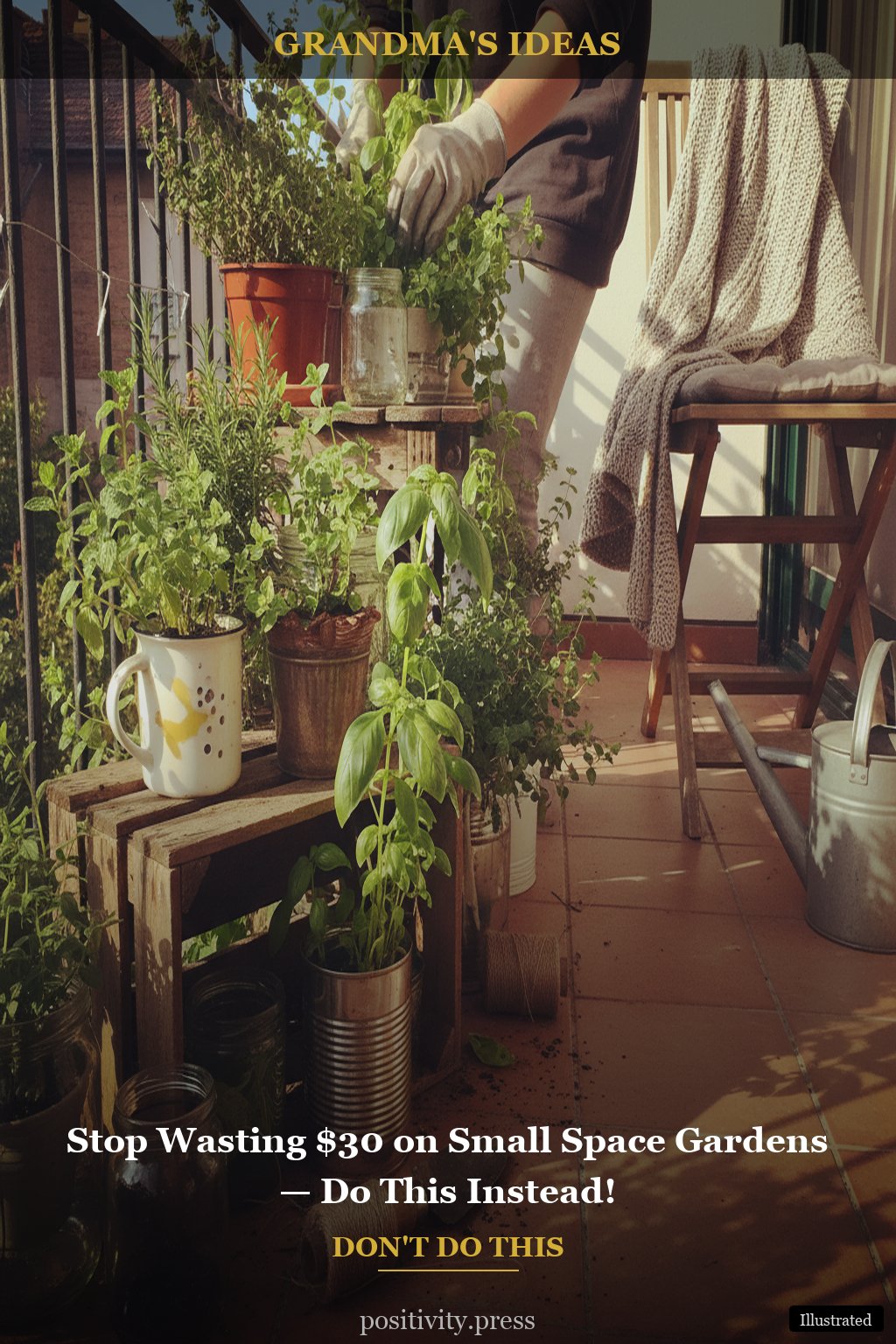
Stop Wasting $30 on Small Space Gardens — Do This Instead!
1. Assess Your Space
Before you dive into planting, take a good look at your space. Is it a small balcony, a cozy corner in your yard, or even just a sunny windowsill? Knowing what you have to work with is vital. Grandma always said, ‘Use what you have before you buy what you need.’
Take measurements and observe how much sunlight your area receives. This will help you choose the right plants and containers that will thrive in your little green haven.
Herbs grown at home cost 90% less than store-bought fresh herbs over a season.
2. Start with Seeds
Seeds are a fraction of the cost of seedlings. Grandma would never buy young plants when she could grow them from seed! You can usually find seed packets for under $2 each, which means you can try your hand at growing several plants on a budget.
Choose easy-to-grow herbs and vegetables such as basil, radishes, or lettuce. These will sprout quickly and give you a sense of accomplishment in no time.
3. Gather Free or Cheap Containers
Those empty jars, tin cans, or even old buckets lying around your home can become charming plant containers. Stop wasting money on fancy pots. Instead, repurpose what you already have.
- Make sure to poke holes in the bottom for drainage.
- Decorate them with some old paint or fabric, if you’re feeling crafty!
This method not only saves money but adds a personal touch to your garden.
Save this for your next trip to the thrift store
4. Use Homemade Soil
Why buy expensive potting soil when you can make your own? Mixing equal parts of garden soil, compost, and sand from your yard can create a nutritious blend for your plants. Grandma always emphasized the importance of healthy soil.
Additionally, keep a small compost bin for kitchen scraps (like vegetable peels and coffee grounds) to enrich your soil further. It’s a simple fix that keeps your garden thriving.
5. Choose Companion Plants
This little trick can increase your garden’s productivity without extra costs! Companion planting involves growing different plants together that can benefit each other. For example, basil helps deter pests from tomatoes.
This is the mistake Grandma never made — she always planted her tomatoes and basil together. Not only does it save space, but it maximizes what you can grow in your small area.
Pay attention to this next part:
6. Water Wisely
Watering doesn’t have to be a chore. Instead of expensive watering cans, use an old soda bottle with holes poked in the cap for an easy watering solution. Grandma used to say, ‘Water with love, and your plants will reward you.’
Make a habit of checking the soil moisture before watering. Overwatering can lead to root rot, which is another common mistake. Keep it cozy for your plants by allowing the soil to dry slightly between watering.
7. Learn from Your Plants
Gardening is as much about observation as it is about planting. Take notes on which plants thrive and which don’t. This small detail makes a huge impact in planning your next season’s garden.
Watching your plants grow will give you insight into their needs. Pay attention to their leaves — are they yellowing? Getting crisp? Adjust your care accordingly.
8. Harvest and Enjoy
The best part of gardening is enjoying the fruits (and herbs) of your labor. Use fresh herbs in your cooking, or share them with friends and family. This is where the savings really shine; herbs grown at home cost 90% less than store-bought fresh herbs over a season.
Plus, your homemade meals will taste so much better with your own fresh ingredients!
The Honest Truth Nobody Shares
One of the biggest misconceptions around gardening is that it requires a lot of money and resources. However, with a little creativity and effort, you can start a thriving garden without breaking the bank. Remember, Grandma didn’t need fancy equipment or expensive materials; she made do with what she had.
Also, the joy of gardening isn’t just about the plants; it’s about the experience. Each little seed you sow carries the potential for something wonderful and delicious. The act of nurturing your plants can be incredibly rewarding and soothing.
Do one small thing today — tomorrow do another
You might also enjoy: home organization and storage ideas
You might also enjoy: summer grilling and BBQ side dishes
Estimated savings: $25–$100 per project (vs $200+ retail)



Post Comment