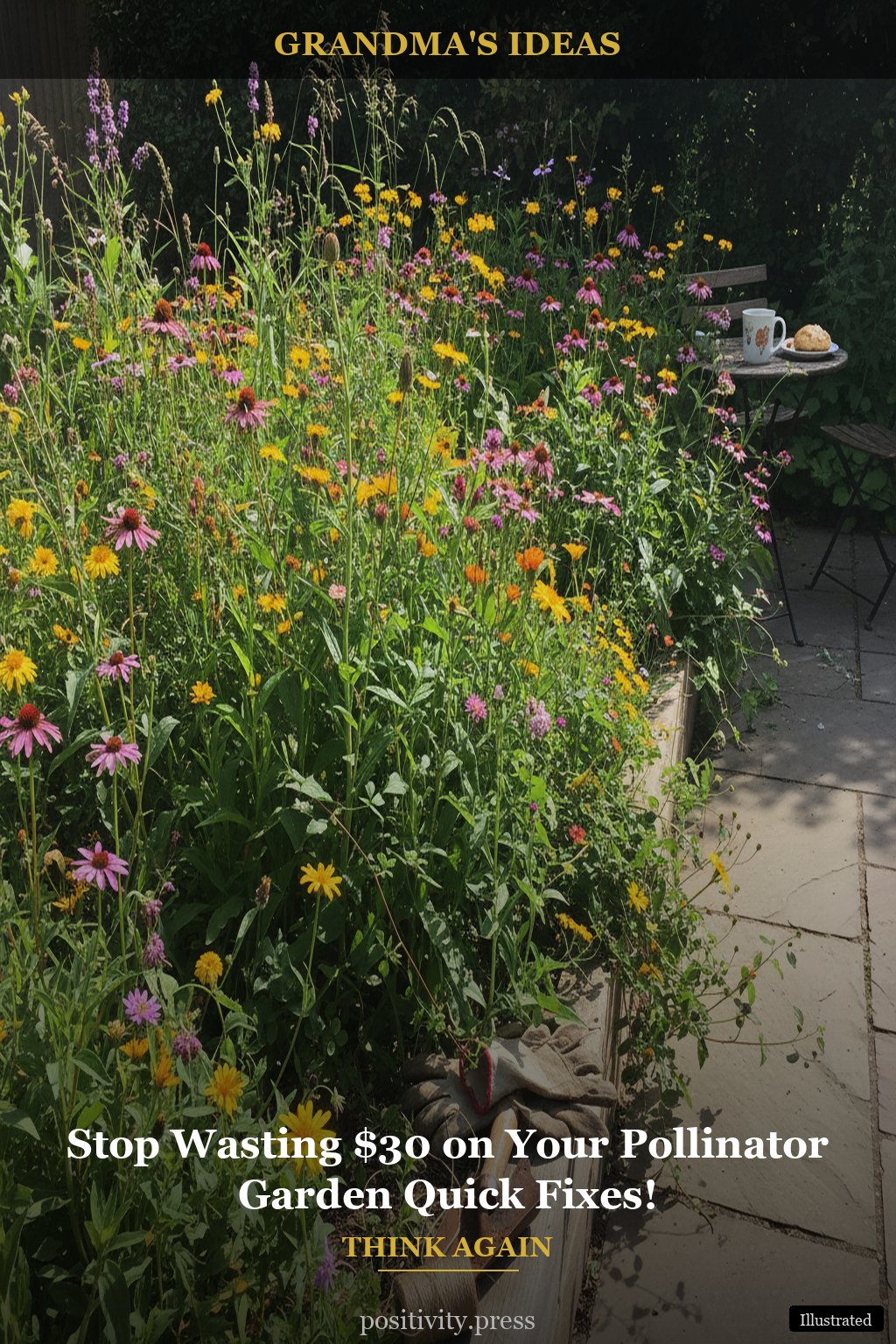
Stop Wasting $30 on Your Pollinator Garden Quick Fixes!
Why I Stopped Ignoring My Pollinator Garden
When I first started my pollinator garden, I thought all it needed was a few pretty flowers and some sunshine. I was wrong. I neglected the little details that make such a big difference. Before long, my once-vibrant garden looked more like a sad patch of dirt than a buzzing haven for bees and butterflies. I realized it didn’t have to take hours or even days to fix what was wrong. With just a few quick changes, I could turn my garden back into a blooming paradise. Here are five pollinator garden quick fixes that take less than ten minutes each!
Common Mistakes in Pollinator Gardens
Let’s talk about the mistakes I made. We all make them, but learning from them is what counts.
- Planting the Wrong Flowers: Sure, those exotic blooms look lovely, but they might not attract the right pollinators. Choose native plants that your local bees and butterflies are familiar with.
- Neglecting Soil Quality: I used to think soil was just dirt. But healthy soil is the foundation of a thriving garden. Poor soil can lead to weak plants that struggle to bloom.
- Ignoring Sunlight Needs: Some plants thrive in full sun, while others prefer shade. I learned this the hard way when half my garden wilted in the summer sun.
- Overwatering or Underwatering: It’s easy to overdo it or forget to water. Pollinators need a consistent water source, but standing water can be a problem. Balance is key!
- Using Chemicals: I once thought a little pesticide wouldn’t hurt. But it scared away the very creatures I wanted to attract. Organic methods are the way to go.
Here is where most people go wrong:
Many gardeners assume that once they plant their flowers, they can sit back and relax. But keeping a garden thriving requires a bit of attention and maintenance. Here’s how to quickly fix those common mistakes.
Quick Fix #1: Rethink Your Plant Choices
Instead of just going for the most colorful flowers, research what native plants thrive in your region. Native flowers like coneflowers and milkweed are not just pretty; they’re essential for local pollinators. You can often find seeds or young plants at local nurseries for just a few dollars.
Bookmark this for your next weekend project
Quick Fix #2: Improve Soil Health in Minutes
Instead of complicated soil tests, I use a simple trick Grandma taught me: add organic compost. You can make it at home from kitchen scraps! Composting can reduce household waste by 30% while creating free fertilizer. Just a handful mixed into your existing soil will provide a nutrient boost for your plants.
Quick Fix #3: Check Sunlight Conditions
Take ten minutes to observe where the sun hits your garden throughout the day. If you notice that certain areas are too shady or too bright, move your potted plants or even smaller seedlings to their ideal spots. This small adjustment can make all the difference!
If you only do one thing, make it this:
Quick Fix #4: Water Wisely
Instead of watering on a whim, set a schedule. A simple reminder on your phone can help you check your garden every few days. Aim for deep watering rather than frequent light watering to encourage strong root systems. Also, consider installing a rain barrel to collect natural water, which is perfect for your plants and your wallet.
Quick Fix #5: Ditch the Chemicals
Instead of reaching for harmful pesticides, try natural alternatives. A mixture of water, dish soap, and a few drops of vegetable oil can help keep pests at bay without harming beneficial pollinators. You’d be surprised at how effective homemade remedies can be!
Do not skip this — it matters more than you think:
What I Do Instead
Now, instead of ignoring my pollinator garden, I’ve made it a cozy spot for my family and our local bees. I keep a notebook to track what works well and what doesn’t, and I make adjustments as needed. I’ve also found that sharing my gardening journey with my children has brought us closer together.
The Detail That Makes All the Difference
One of the simplest yet most overlooked aspects of a pollinator garden is having a water source. A shallow birdbath filled with fresh water can attract butterflies and bees, giving them a place to hydrate. Just be sure to change the water regularly to prevent mosquitoes. It’s a small detail, but it can turn your garden into a bustling hub of activity.
Additionally, consider adding a few rocks or pebbles to your birdbath. These provide landing spots for smaller insects and birds, making it easier for them to enjoy the water without fear of drowning. It’s these little touches that create a welcoming environment for pollinators.
A Handy Find That Pays for Itself
If you want to make this even easier, simple tools like a garden tool set with bag can save time and money without any extra effort. Keeping your tools organized means you’ll spend less time searching and more time enjoying your garden.
Estimated savings: $50–$100 per project (vs $150+ retail)
Start with what you already have at home — no shopping needed



Post Comment