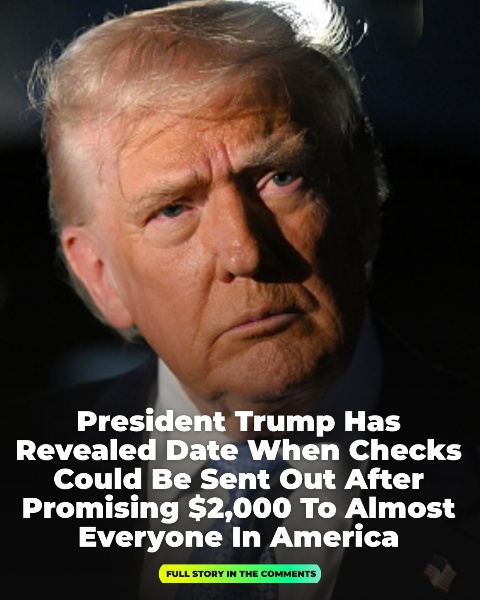
Here\’s when to expect the payout.…
Trump’s $2,000 dividend pitch was designed to sound elegantly simple: tariffs make America rich, and that “found money” gets mailed back to working families. But the math and the law tell a very different story—one that leaves millions of Americans with a headline-grabbing promise and nothing concrete they can take to the bank.
The tariffs have brought in under $200 billion so far, well short of what’s needed to fund such a massive payout. Even more problematic, much of that revenue is now tangled in legal challenges. The Supreme Court has expressed open skepticism about Trump’s use of emergency powers to levy tariffs without Congressional approval. A ruling against him could erase a key pillar of his plan and potentially force the government to issue refunds rather than rebates—turning the promise upside down.
Beyond the courts, Congress still needs to authorize any dividend program. So far, there’s no legislative agreement on fundamental questions: Who qualifies? How would the money be delivered? Would it be checks, tax credits, or something else entirely? Trump insists high earners will be excluded and vows he’ll “do something else” if the courts block him, but those alternatives remain vague and undefined.
The political appeal is obvious—who wouldn’t want $2,000? But the logistical and legal obstacles are formidable. Even if tariff revenue continues flowing, distributing billions to American households requires infrastructure that doesn’t currently exist. The IRS would need to determine eligibility, verify identities, process payments, and handle inevitable disputes—all while managing its existing workload.
For now, Americans are left with a familiar pattern: a bold promise that sounds too good to be true, probably because it is. Without Supreme Court approval, Congressional authorization, clear eligibility criteria, and a realistic funding mechanism, the $2,000 dividend remains what it’s always been—a compelling campaign talking point searching for a pathway to reality.
The gap between the pitch and the actual plan leaves millions wondering: Is this a serious policy proposal, or just another promise designed to generate headlines and enthusiasm without the messy details of implementation?





Post Comment