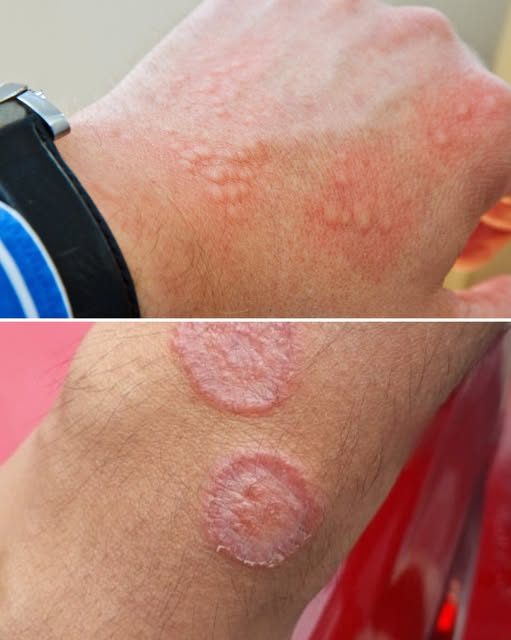
These are the signs that he is cr… See more
Groin skin irritation is a common and uncomfortable problem affecting people of all ages. It often develops from a combination of moisture, friction, and certain grooming habits. The groin’s warm, damp environment where skin rubs together makes it especially prone to irritation and infection. Understanding the underlying causes can help prevent and treat this issue effectively.
**Ingrown Hairs**
One of the most frequent culprits is ingrown hairs, which occur when hair grows back into the skin instead of outward, creating small, red, itchy, or painful bumps. These often result from shaving, waxing, or wearing tight clothing. Avoid shaving until the irritation heals, apply warm compresses to soothe skin and encourage trapped hairs to surface, and gently exfoliate to prevent future occurrences by removing dead skin cells blocking hair follicles.
**Folliculitis**
Folliculitis is inflammation of hair follicles triggered by bacteria, fungi, or mechanical irritation from tight clothing or frequent shaving. It appears as small red or white-headed bumps that may be tender or itchy. Mild cases often clear with good hygiene and antibacterial washes, but spreading or painful bumps may require topical or oral antibiotics prescribed by a doctor.
**Jock Itch (Tinea Cruris)**
This fungal infection thrives in warm, moist environments and tends to affect men more than women. Symptoms include red, scaly patches, itching, and burning. Keep the groin dry and clean, wear loose, breathable underwear, use antifungal powders or creams, and avoid tight sportswear for extended periods.
**Contact Dermatitis**
Allergic or irritant reactions to fragranced soaps, laundry detergents, or certain fabrics cause red, itchy, sometimes blistered skin. Identify and avoid triggers, use fragrance-free cleansers and hypoallergenic detergents, and apply mild hydrocortisone cream to relieve symptoms.
**Intertrigo**
This condition affects skin folds when moisture and friction create red, raw, sometimes oozing rashes. Keep the area clean and dry, use absorbent powders or barrier creams, and wear breathable cotton underwear. Secondary infections may require antifungal or antibacterial medication.
**Prevention and Care**
Maintain good hygiene by showering regularly, especially after exercise, thoroughly drying the area, and wearing light, breathable clothing. Use clean, sharp razors or consider trimming instead of close shaving. If irritation persists, spreads, or is accompanied by fever or severe discomfort, seek medical advice to rule out serious infections or underlying conditions.






Post Comment