I had no idea 😳
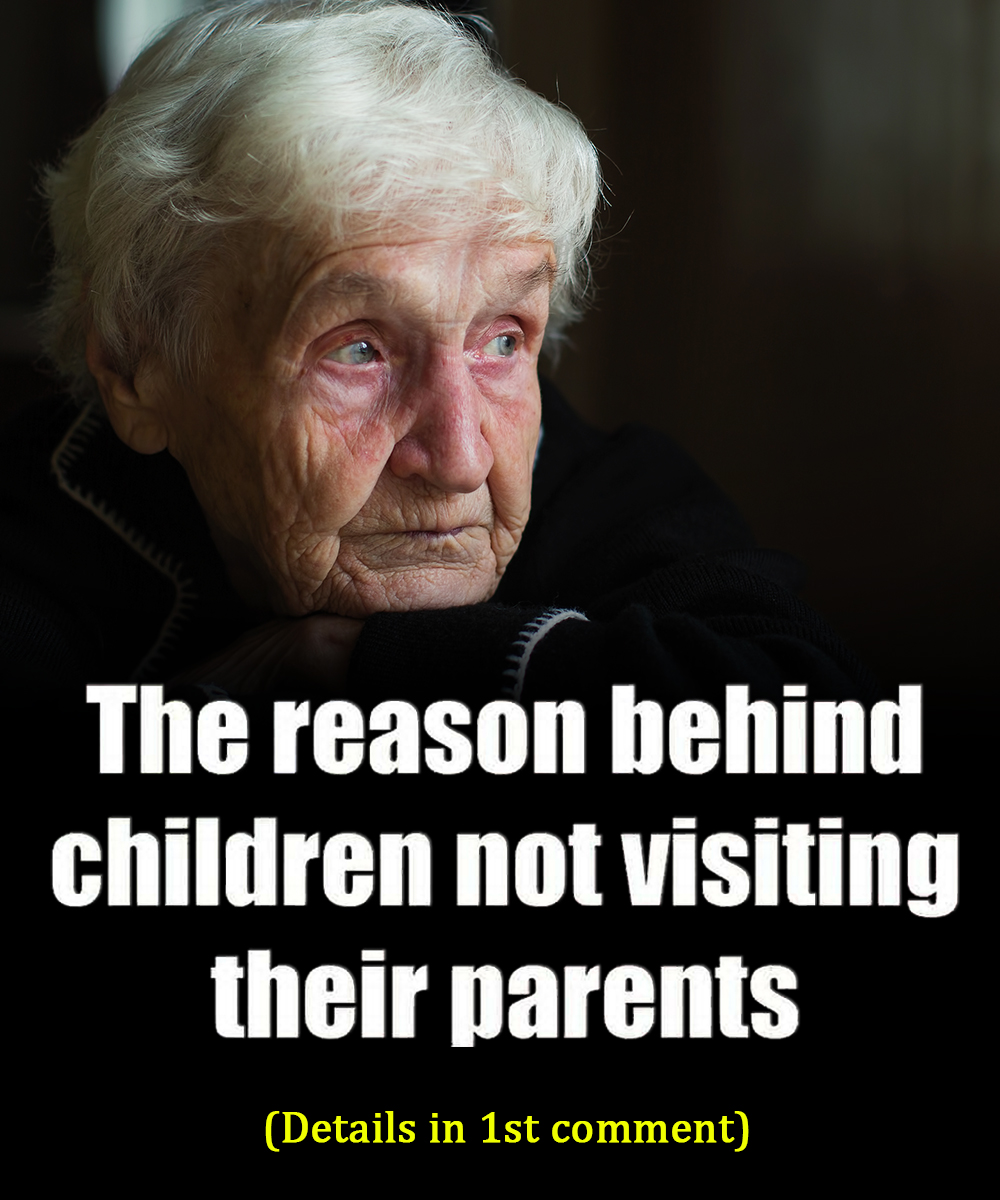
Family is supposed to feel permanent—a place where you’re known, understood, and accepted without earning it. But for many parents, there comes a moment when they realize something has shifted. Calls come less often. Visits shrink from full weekends to rushed afternoons. Holidays become brief appearances. Grandchildren grow up recognizing grandparents more from photos than memories. The distance doesn’t arrive like a thunderclap; it creeps in quietly, built from small moments never discussed, until the space between parent and child feels impossibly wide.
Most parents assume the distance stems from ingratitude or changing priorities. In reality, it’s rarely lack of love. More often, it’s slow accumulation of misunderstandings, dismissals, and emotional bruises never acknowledged. Adult children don’t drift because they stop caring—they drift because staying close costs more than they can afford emotionally.
**When Concern Sounds Like Criticism**
It often starts with conversations that don’t land as intended. “Are you eating enough?” meant as concern is heard as “You don’t take care of yourself.” “How’s work?” becomes “You should be doing better.” The child leaves feeling small, eventually showing up less—not to punish, but to protect themselves from repeated criticism.
**Boundaries Become Battlegrounds**
When an adult child says, “Let’s not talk about that,” or “Please respect how we’re raising our kids,” they’re trying to build healthier relationships. But responses like “Don’t be dramatic” or “I’m your parent, I can say what I want” send a clear message: your needs don’t matter as much as mine. For grown children, closeness begins feeling unsafe.
**The Missing Apologies**
Real apologies are often the missing ingredient. When a child finally opens up about childhood’s impact and hears “You’re exaggerating” or “That’s not what happened,” it slams the door on reconciliation. Adult children don’t expect perfection—they want acknowledgment. Without it, staying away feels safer than reopening wounds that will never be validated.
**The Path Back**
Repair begins with curiosity instead of assumption: “Tell me about your life now.” “How can I support you?” “I didn’t realize that hurt you.” Real listening rebuilds bridges that guilt never could. Boundaries honored become trust restored. A sincere “I’m sorry” can heal more than a decade of explanations.
The real tragedy isn’t that adult children stop visiting—it’s that visits stopped feeling safe long before they stopped happening. But it’s never too late to change the tone, show humility, and meet your child where they are now. Closeness returns in small gestures: softer voices, respected boundaries, genuine effort. One gentle step at a time, distance can shrink.






Post Comment