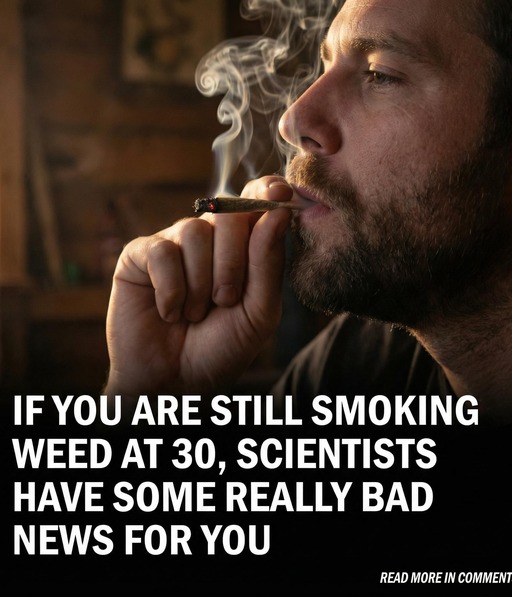
What Scientists Want Adults to Know About Long-Term Cannabis Habits
If you’re still smoking weed at 30, many headlines make it sound like a crisis. Dramatic, alarming, and oversimplified, these warnings grab attention—but the real message from scientists is far more balanced and helpful. Research isn’t predicting inevitable harm; it’s examining how long-term habits affect well-being, motivation, routines, and emotional balance as people move into adulthood. The aim isn’t to judge or frighten, but to encourage reflection on choices that shape one’s life.
By the late twenties and early thirties, life often becomes more demanding. Careers progress, responsibilities grow, and personal goals shift. Scientists note that this is when routines—healthy or unhealthy—tend to solidify. Studies exploring cannabis use at this stage highlight how habits formed in adolescence or early adulthood interact with stress, sleep, and productivity. The takeaway isn’t moralistic: it’s awareness. Understanding how long-term use may influence energy, focus, or emotional clarity can serve as a gentle prompt to reassess what supports future ambitions.
It’s also crucial to remember that people use cannabis for different reasons. Some seek relaxation, others use it socially, and some rely on it to unwind after stressful days. Researchers don’t argue that all use is harmful—they examine how frequency and context matter. Adults are encouraged to check in: Is this habit still serving a positive purpose? Does it align with current goals? Could alternative coping strategies offer more balance? These questions aren’t warnings—they’re tools for reflection. Many studies suggest that mindful decision-making, rather than fear or shame, leads to healthier outcomes.
Ultimately, the real “news” is not bad at all. Entering your thirties often prompts reevaluation of habits that once felt routine. Some choose to reduce or reshape cannabis use, while others continue with intention and moderation. What matters most isn’t judgment, but understanding how daily choices influence well-being, productivity, and long-term goals. In a world full of noise and dramatic headlines, the most meaningful message is simple: your life, health, and future are shaped by small, mindful decisions—and it is never too late to make choices that support the person you want to become.






Post Comment