Feeling off? People with HIV reveal their first symptoms as experts warn of a looming surge with 3.3 million new cases.
For many, the first signs of HIV don’t arrive dramatically. There is no single moment that immediately signals danger. Often, it begins quietly—unusual fatigue, flu-like symptoms, or strange rashes. Some notice nothing at all. It’s only later, sometimes years later, that a routine test changes everything.
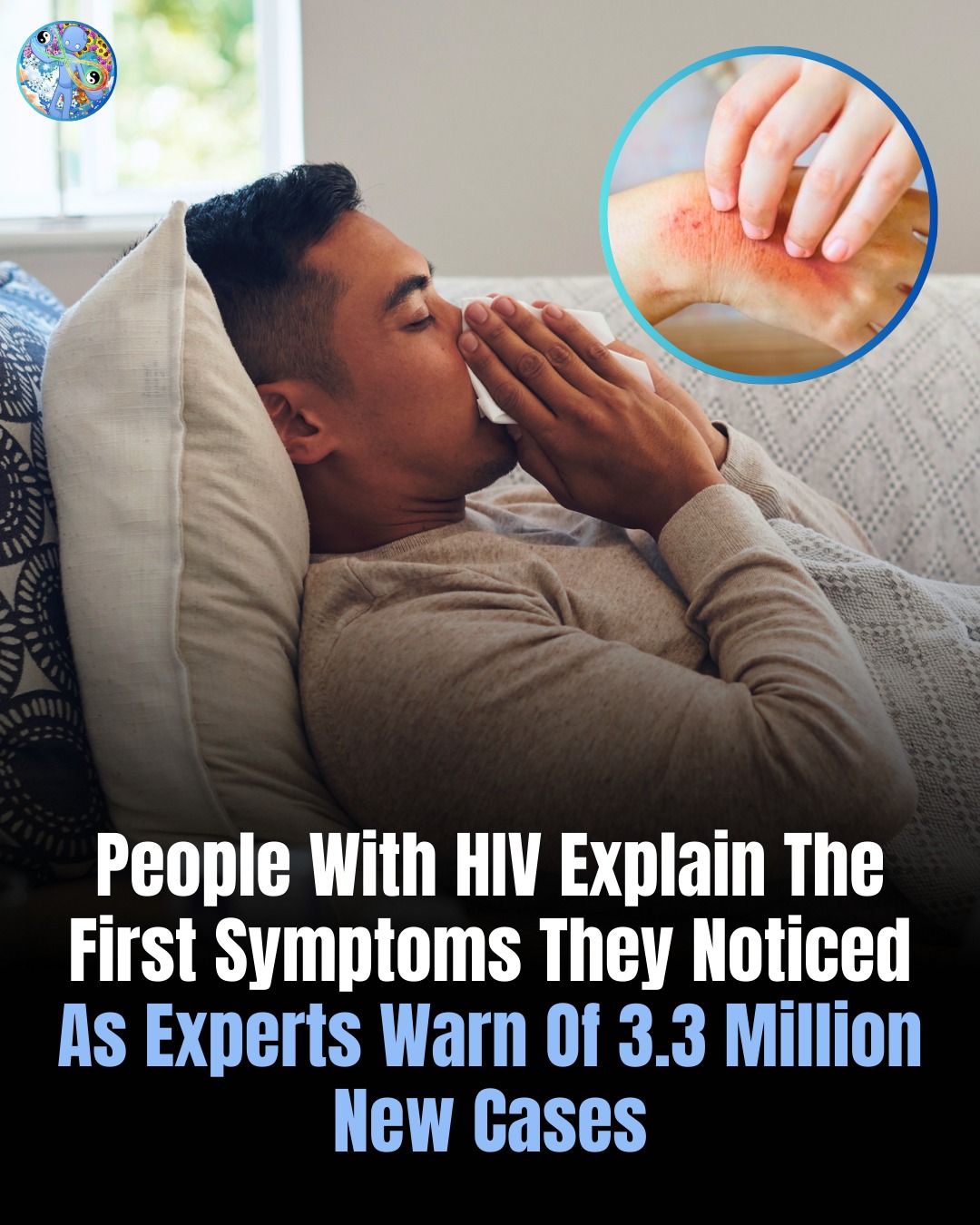
Online forums are filled with people sharing how they first realized something was wrong. One described waking exhausted after a full night’s sleep, unable to get out of bed. Blood tests later revealed HIV, a shock that didn’t erase the hope still available through modern treatment. Another experienced flu-like symptoms and a rash shortly after a high-risk encounter. An at-home test confirmed the diagnosis, bringing fear—but also the possibility of life-changing treatment.
Early treatment transforms what an HIV diagnosis means. Antiretroviral medications prevent the virus from multiplying, reduce viral load to undetectable levels, and stop transmission—a concept called U=U (Undetectable = Untransmittable). With consistent care, life expectancy now approaches that of someone without HIV. What once was a death sentence has become a manageable chronic condition.
Yet global progress is fragile. Funding cuts have disrupted prevention, testing, and treatment services worldwide. Clinics have closed, medications and testing kits are scarce, and millions could be at risk, particularly in sub-Saharan Africa. Populations already disproportionately affected—such as men who have sex with men, sex workers, people who inject drugs, transgender individuals, and young women in parts of Africa—face greater barriers to care.
HIV often goes unnoticed. Early symptoms—persistent fatigue, swollen lymph nodes, fever, rashes, night sweats, or sore throat—are easy to misinterpret. The only reliable way to know is through testing, which is widely available, confidential, and free in many regions. Early detection protects both personal health and prevents transmission.
Despite challenges, hope remains. New treatments, including long-acting injectables, reduce the burden of daily medication. People with HIV can live long, healthy lives. The message from those sharing their stories is clear: fear may come first, but it does not define the future. The advice is simple: get tested early, ask questions, and take control of your health.






Post Comment