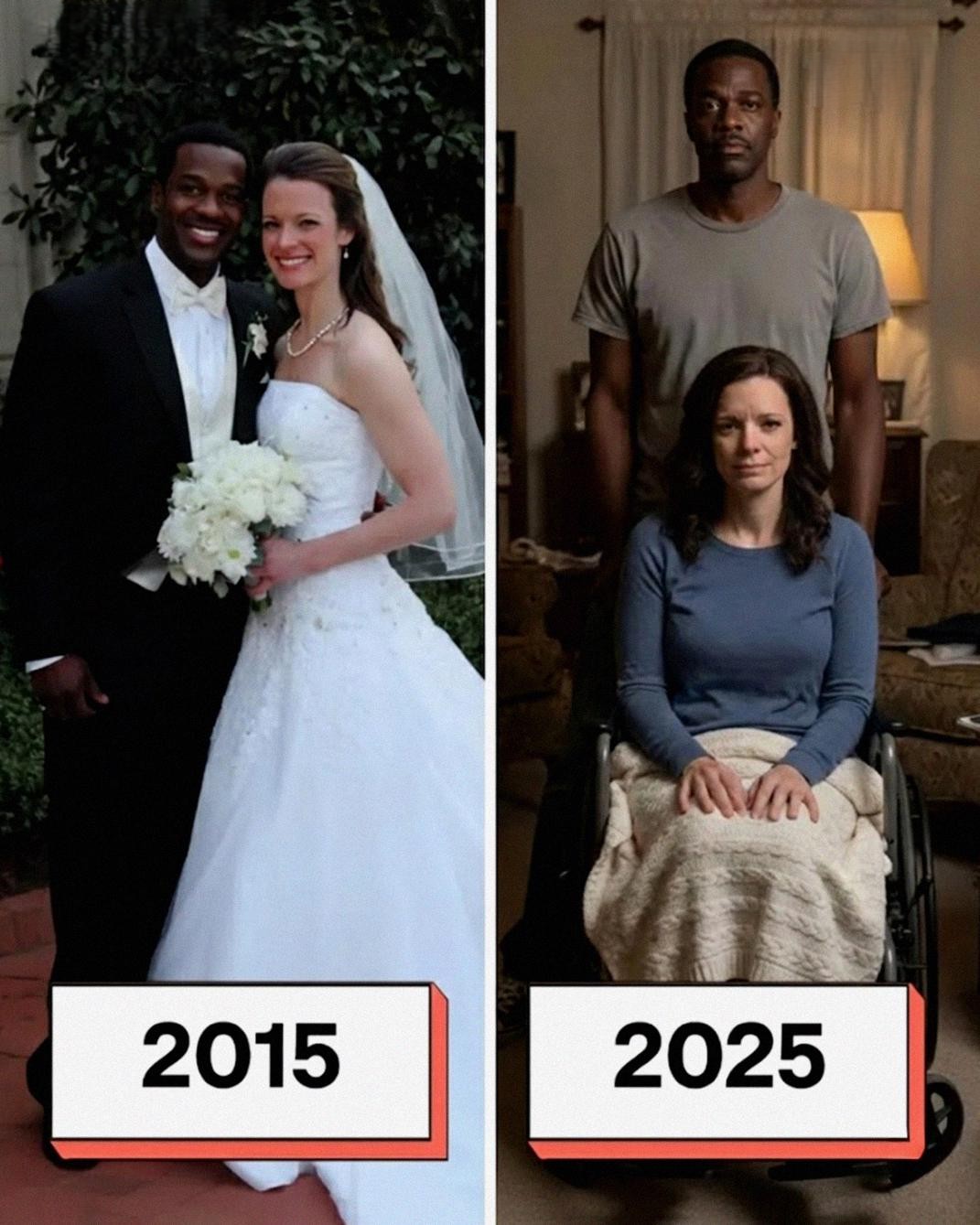
Before my accident, I paid most of the bills. I cooked. I handled appointments. When my husband wanted to switch jobs or “take a break,” I supported it. I never kept score because I believed marriage was teamwork. – Story
I’m thirty-five, and before the accident, I was the engine of our marriage.
I paid most of the bills. I cooked, cleaned, scheduled appointments, handled insurance, called repairmen, renewed registrations—every dull adult task my husband claimed gave him hives. When he wanted to switch jobs or “figure things out,” I opened spreadsheets and made it work. I picked up extra hours. I cut corners quietly. I told myself that’s what partnership meant: sometimes one person carries more.
We’d been together ten years. I thought we were solid.
Then I got into a serious car accident.
I don’t remember the impact—just a green light and then a hospital ceiling. I survived, but my legs were badly injured. Not permanently paralyzed, the doctors said, but too weak to stand. I left the hospital in a wheelchair with a plan that sounded simple until you had to live it: six to nine months of physical therapy, no weight-bearing, and daily help with transfers, bathing, everything.
I’d always been the capable one. The helper. Now I needed water handed to me.
When I came home, I told myself this would be our hard chapter. Temporary. Love would show up.
Instead, my husband grew distant. He helped, technically—made food, moved me from bed to chair—but like he was checking off chores. He disappeared into his office. If I asked twice for something, he sighed.
A week in, he sat on the edge of the bed with that “let’s be realistic” expression.
“You’re going to need a lot of help,” he said. “All day. I didn’t sign up to be a nurse.”
“You signed up to be my husband,” I replied.
“This is like a full-time job,” he said. “If I’m putting my life on hold, I want to be paid. A thousand a week.”
I laughed, because it sounded absurd.
He didn’t.
“You’ve earned more for years,” he added. “Think of it as hiring a caregiver.”
I was scared. My family lived far away. I couldn’t get out of bed alone. So I swallowed my pride.
“Fine,” I said.
Every Friday, I transferred the money.
For my thousand dollars, I got the bare minimum. Showers rushed. Plates dropped in front of me without asking if I needed help. Hours alone. If I pressed the call button, sometimes he ignored it and later said, “I was busy.”
Meanwhile, he was always texting, smiling at his phone, going out for “errands.”
One night, I woke up thirsty. He wasn’t in bed. I pressed the call button. Nothing. I called his phone. It rang faintly from the living room. He let it ring.
The next morning, his phone buzzed on the nightstand while he showered.
The preview read: “The other night was amazing. Can’t wait to see you again. 😘 — Jenna.”
Jenna was my friend. She’d brought soup to the hospital.
I unlocked the phone.
There it was: a relationship in messages.
“Babysitting a cripple is exhausting,” he’d written. “You better make it worth it later.”
“At least she’s paying for our dates,” Jenna replied.
There were jokes about “hazard pay.” Screenshots of my transfers. Photos of them together.
Something inside me went cold and steady.
That afternoon, I called my sister. She came over, and I told her everything. We forwarded messages, saved screenshots, called a lawyer. By chance, she’d recently taken photos at a street festival—there he was in the background, kissing Jenna. Clear as day.
So I played my role.
I paid him every Friday. I stopped questioning him. I acted grateful.
“You’re such a good husband,” I told him one night.
He glowed.
A few weeks later, on a Friday morning, I handed him a white box with a ribbon.
“A bonus,” I said.
Inside were divorce papers. Beneath them, the photos and screenshots.
His face drained of color. “After everything I’ve done?”
“You charged me to love me,” I said quietly. “Then you used my money to humiliate me.”
He begged. Promised to change. Offered to “take care of me for free.”
I pressed the call button.
My sister walked in with boxes. “Time to pack.”
He left angry, then crying. It didn’t matter.
My sister moved in. She helped with patience and dumb jokes. She filmed my therapy milestones. The first time I stood between parallel bars, she cried. The first time I crossed the living room with a cane, we laughed until it turned into sobbing.
It wasn’t just walking. It was reclaiming myself.
I used to think love meant showing up.
Now I know better. Real love doesn’t send you an invoice.
And anyone who only wants you when you’re easy, fun, and profitable? They never loved you. They loved the benefits.






Post Comment