
Encourage Wildlife in Your Backyard Garden with These 5 Tips
Welcome to Grandma’s Ideas
There’s something so special about a backyard garden, isn’t there? It’s a place where memories are made, where laughter fills the air, and where nature’s beauty can truly shine. As Grandma always said, ‘A garden is a little piece of heaven on Earth.’ And what better way to enhance that little piece of heaven than by inviting wildlife into your outdoor space? Today, I’m going to share five wonderful ways to encourage wildlife in your backyard garden. Get ready to create a thriving habitat that the whole family, and nature, will adore!
1. Plant Native Flowers and Plants
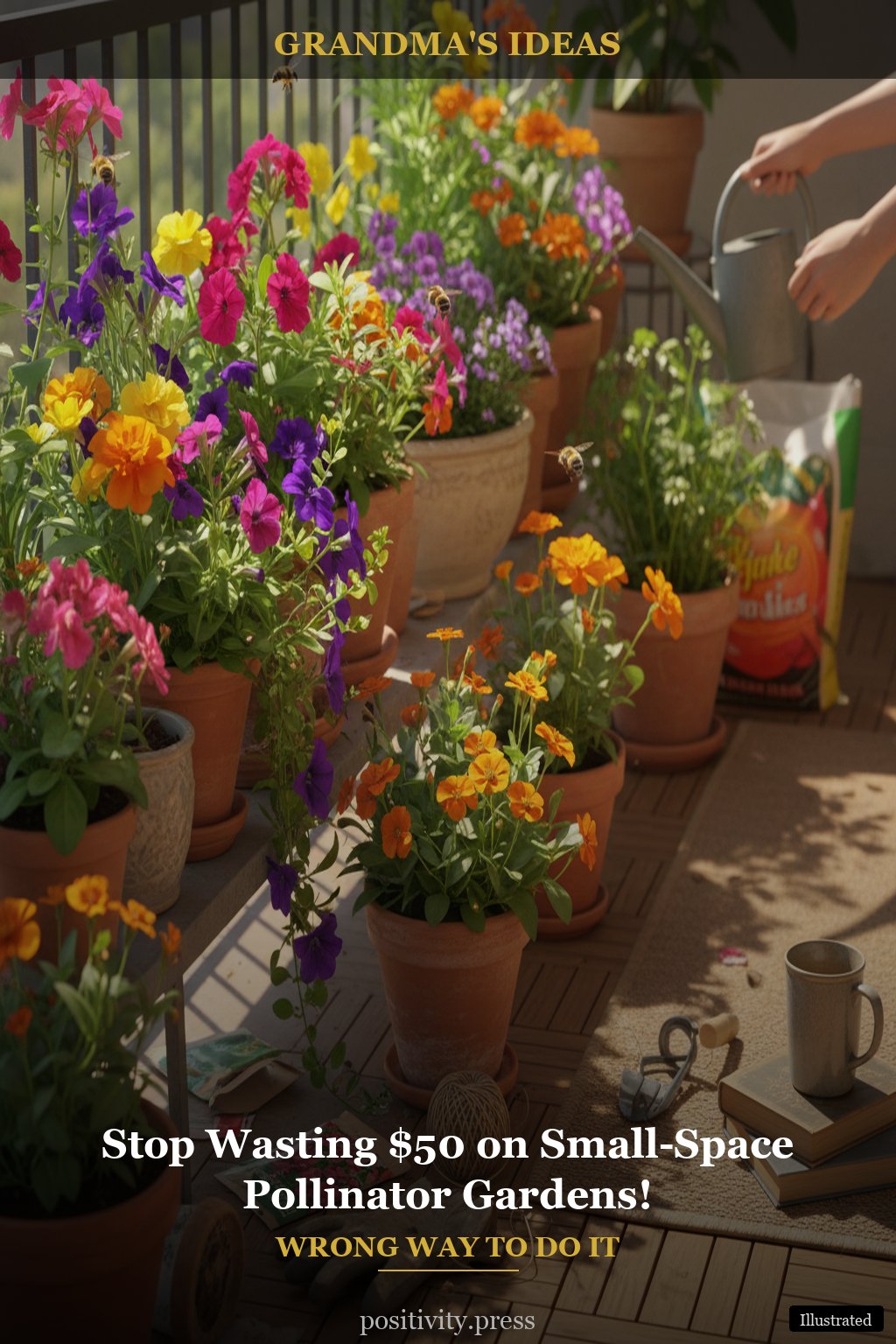
One of the easiest and most effective ways to attract wildlife is by planting native flowers and plants. These beauties are not only well-suited to your local climate, but they also provide the right food and shelter for local wildlife. Grandma always said, ‘If you want the birds to sing, plant what they love!’
- Birds: Plant sunflowers, coneflowers, and black-eyed Susans to attract various bird species.
- Butterflies: Milkweed, asters, and zinnias are irresistible to butterflies.
- Bees: Lavender, bee balm, and wildflowers will keep our buzzing friends happy.
By choosing native plants, you’re creating a buffet for local wildlife and helping to support the ecosystem. Plus, these plants are often easier to care for, as they’re already adapted to your area’s soil and weather conditions.
2. Create a Water Source
Just like us, wildlife needs water to thrive. It’s essential for their survival, especially during hot summer months. This old trick works every time: adding a birdbath or small pond to your garden will attract all sorts of critters. Grandma always had a lovely birdbath in her garden, and it brought her so much joy to watch the birds splashing around!
- Birdbaths: A simple shallow dish filled with water will do the trick. Make sure to change the water regularly to keep it fresh.
- Ponds: If you have the space, creating a small pond can attract frogs, dragonflies, and other fascinating creatures.
- Water features: Consider adding a small fountain for a charming touch that also keeps the water circulating.
Remember, providing a water source is not just about attracting birds. Many insects and other wildlife will also come to drink and enjoy your garden oasis.
3. Install Nesting Boxes
Birds are wonderful guests to have in your garden, and installing nesting boxes is a delightful way to encourage them to stay. Grandma would always say, ‘A cozy home brings happy hearts!’ Building or buying birdhouses can be a fun family project, and it allows you to provide safe nesting spots for birds.
- Choose the right materials: Opt for untreated wood, as chemicals can harm the birds.
- Location matters: Hang the boxes in sheltered areas, away from strong winds and direct sunlight.
- Keep it clean: Clean out the boxes after nesting season to prepare for new tenants.
Different bird species prefer different types of nesting boxes, so do a little research to find out what birds inhabit your area and what they like best!
4. Reduce Chemical Use
One of Grandma’s golden rules was to keep things natural. Using chemicals in your garden can harm not only plants but also the wildlife you’re trying to attract. Pesticides and herbicides can be deadly for bees, butterflies, and other beneficial insects. Instead, try some of these natural alternatives:
- Companion planting: Plant certain crops together to deter pests naturally.
- Homemade sprays: Use a mixture of water and soap to control pests without harming beneficial insects.
- Encourage natural predators: Ladybugs and lacewings can help control aphid populations.
By reducing chemical use, you’re not only creating a safer environment for wildlife but also fostering a healthier garden for your family. Remember, a happy garden is a healthy garden!
5. Create Shelter and Habitats
Grandma always said, ‘A good home is where the heart is.’ This applies to wildlife too! Providing shelter and habitats in your garden is essential for many creatures. From small mammals to insects, having safe spaces allows them to thrive.
- Brush piles: Gather fallen branches and leaves in a corner of your garden to create a cozy home for small animals.
- Rock piles: A few rocks can create hiding spots for insects and lizards.
- Insect hotels: These can be bought or made from hollow stems and wood blocks to provide nesting spots for solitary bees and other beneficial insects.
Creating varied habitats not only supports wildlife but also adds interesting features to your garden. Plus, it can be a wonderful learning experience for children as they observe the different creatures that take up residence.
Conclusion: Your Backyard is a Sanctuary
Creating a wildlife-friendly garden is a beautiful way to connect with nature and enrich your family’s experience. Each of these five tips is a small step towards inviting more wildlife into your backyard. Remember, every little effort counts! Whether it’s planting native flowers or installing a birdbath, your actions can create a sanctuary for many creatures. Grandma always believed that nature is full of lessons, and by encouraging wildlife in your backyard, you’re providing your family with a front-row seat to the wonders of the natural world.
So, gather your loved ones and start planning your garden today. Let it bloom with life, laughter, and love. Happy gardening, dear ones!



Post Comment