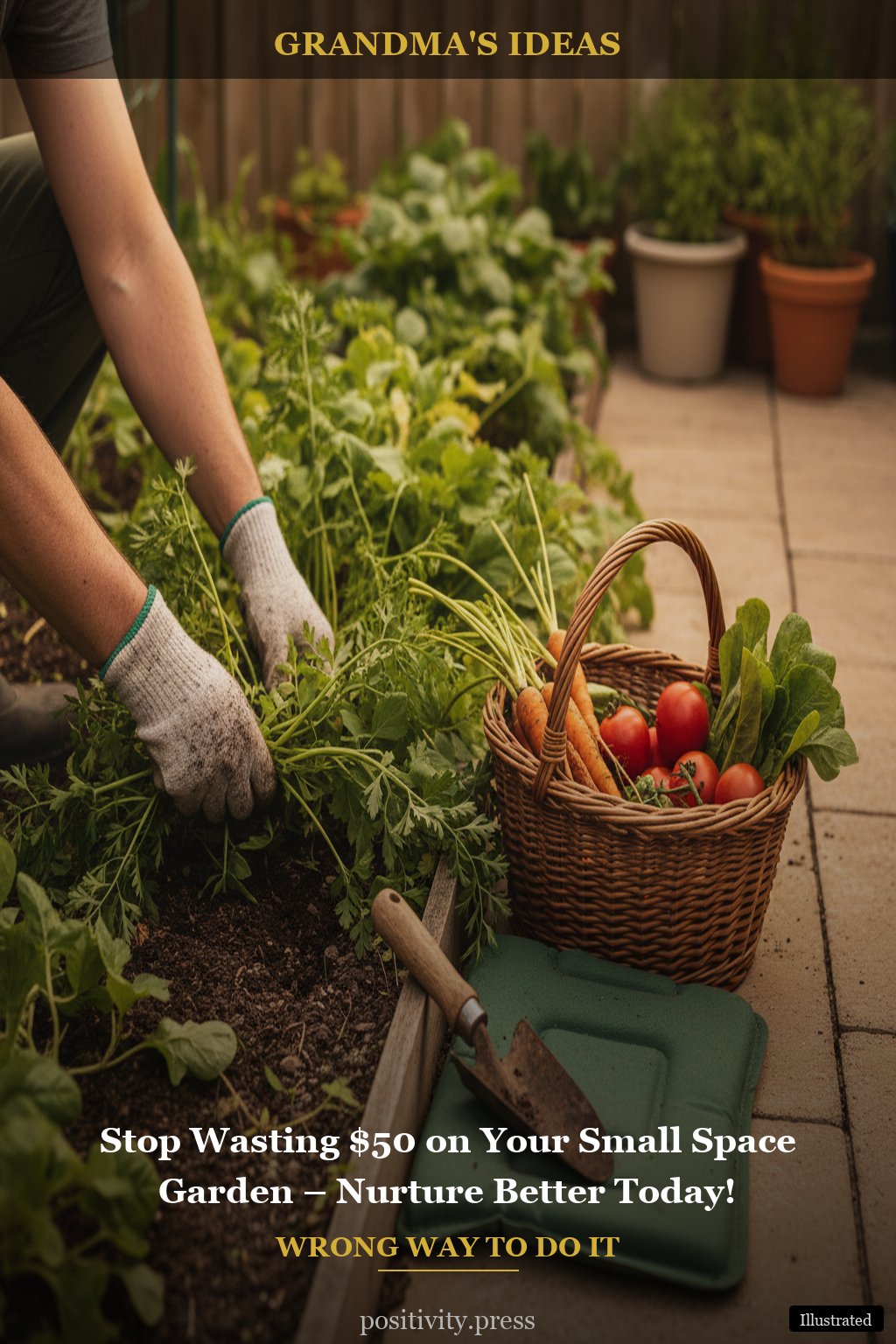
Stop Wasting $50 on Your Small Space Garden – Nurture Better Today!
Nurturing Your Small Space Garden: A Lazy Approach
Think you need to spend hours tending to your garden to see results? Grandma would chuckle at that notion. Back in the day, she knew that nurturing a small space garden didn’t have to be a chore. In fact, with just a few lazy hacks, you can keep your plants happy and thriving with minimal effort.
As a busy mom and homemaker, I often found myself overwhelmed by the idea of gardening. I thought I needed to dedicate entire afternoons to digging, planting, and weeding. But as I peered out at my sad little balcony garden one hot summer afternoon, I realized I needed to make a change. With a few simple adjustments, I discovered a world of easy garden care that not only saved me time but also money.
Composting can reduce household waste by 30% while creating free fertilizer.
For example, composting can reduce household waste by 30% while creating free fertilizer. I wish someone had told me this sooner! Instead of tossing vegetable scraps in the trash, I started composting right in my own backyard. In just a few months, I had rich, dark compost that my plants absolutely adored. It was like giving them a homemade nutrient boost, and the best part? It cost me nothing.
This small detail makes a huge impact:
One day, I spent some time observing my plants. I noticed that some were wilting, while others thrived without much care. I realized I needed to change my approach to watering. Instead of watering by schedule, I began to pay attention to the soil. If it was damp, I left them alone. If it felt dry to the touch, I watered them deeply. I saved at least an hour of my time each week and reduced my water bill by about $10 a month.
In my journey of nurturing a small space garden, I faced several hurdles. My first attempts were dismal. I remember planting seeds without researching their needs, resulting in spindly seedlings that barely made it. I also overwatered and under-fertilized, which left my plants confused and sad-looking. It was disheartening to see my efforts go to waste.
But then I stumbled upon a few lazy hacks that changed everything. For instance, instead of buying expensive fertilizers, I learned to use what I already had at home. Banana peels became my go-to secret weapon. They’re rich in potassium, which helps plants flourish. I started chopping them up and burying them in the soil around my plants. Not only was it a simple fix, but it also saved me about $20 in garden supplies!
Another trick I discovered was companion planting. I had always thought gardening was about planting everything in neat rows, but by mixing herbs and vegetables, I found that some plants naturally helped each other grow. Marigolds kept pests away, while basil made tomatoes thrive. This method required less maintenance and offered a stunning array of colors and smells in my garden.
Here is where most people go wrong:
When it comes to nurturing a small space garden, many make the mistake of overcomplicating things. It’s easy to get caught up in the idea of needing fancy tools or complicated methods. But Grandma always said, “Keep it simple, dear.” I took this to heart. Instead of investing in expensive gadgets, I repurposed household items. Old containers turned into planters, and tin cans became watering cans. I realized I didn’t need much to create a cozy garden corner.
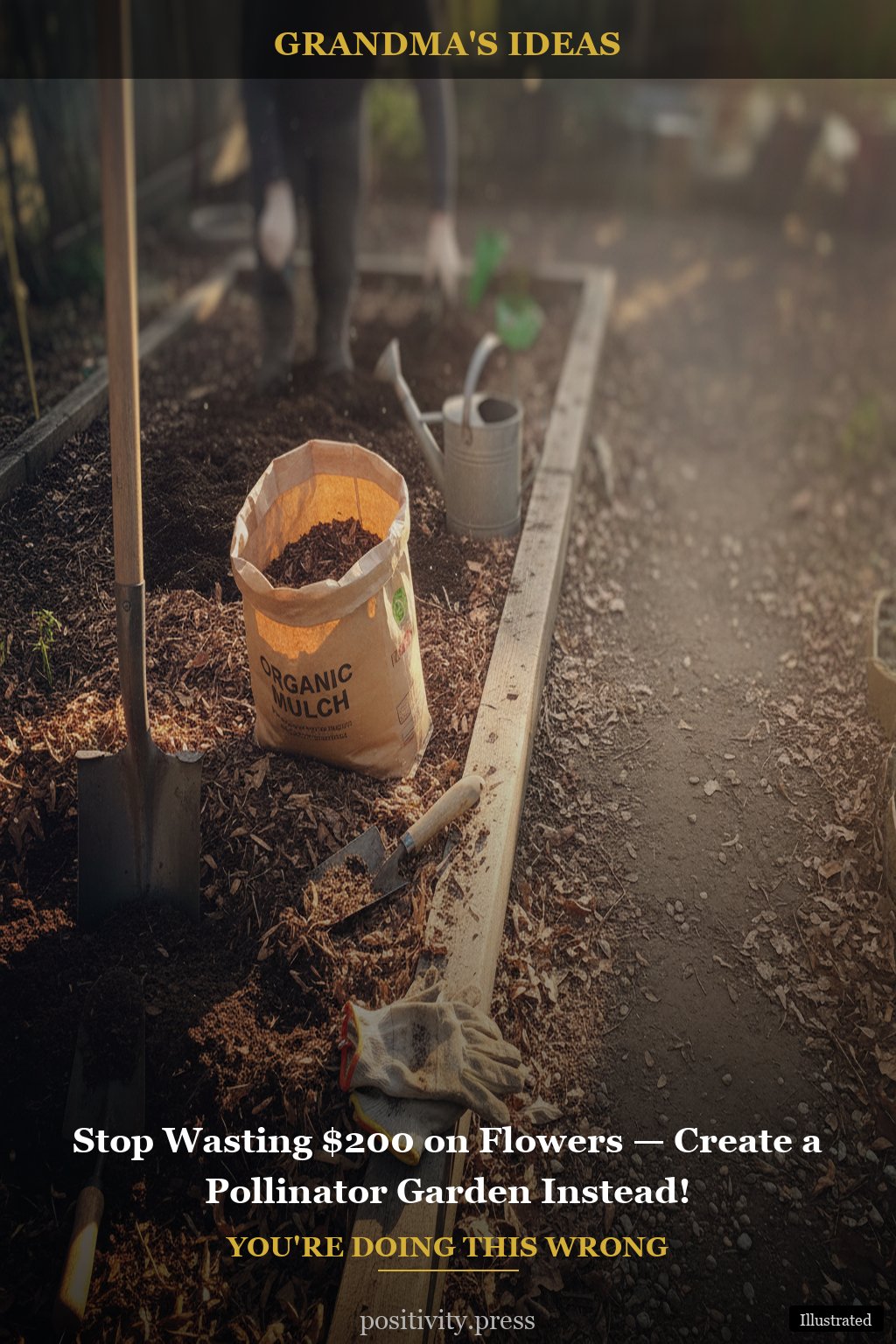
Time-saving techniques, like mulch, also made a huge difference. I learned that applying a layer of mulch around my plants not only kept the weeds at bay but also retained moisture in the soil. This meant less time spent weeding and watering, allowing me to enjoy my garden instead of laboring over it.
There was a time when I dreaded the thought of gardening altogether, but my small space garden slowly transformed into a beautiful retreat right outside my kitchen window. I not only saved time and money but also created a space that was comforting and nourishing. The before and after speaks for itself; from a wilting collection of plants to a vibrant, flourishing garden, the changes were remarkable.
Pin this before you go to the store
This is the step that separates good from great:
In addition to composting and companion planting, I also embraced the idea of seasonal gardening. Rather than trying to grow everything at once, I focused on a few key plants each season. By doing this, I reduced my workload significantly. I could concentrate on nurturing my small space garden without feeling overwhelmed.
For instance, during the spring, I would plant herbs like cilantro and parsley while choosing hearty vegetables like carrots and radishes for the fall. This not only made my gardening experience pleasurable but also allowed me to have a continuous harvest throughout the year. I’ve enjoyed fresh herbs and veggies from my garden for every season, creating homemade meals that my family loves.
In my experience, a little planning goes a long way. I learned to jot down my gardening goals and what I wanted to grow each season, making it easier to stay on track. I now save both time and money by not purchasing plants that wouldn’t thrive in my small space or would require more care than I was willing to give.
After a while, I even started to share my gardening journey with friends and family. They were amazed at the lush plants I managed to grow with such minimal effort. I shared Grandma’s old-fashioned tricks, and they couldn’t believe how easy it was to nurture a garden without spending a fortune or sacrificing all my free time.
Why Most People Get This Wrong
So many folks believe that gardening has to be labor-intensive. They see all those glossy magazine photos and think that’s the only way to achieve a beautiful garden. But the truth is, it’s about working smarter, not harder. People often get caught up in the latest gardening trends and forget the basics that have been tried and tested for years.
There’s a misconception that you need to have a green thumb to grow a garden. The reality is that you simply need patience and a willingness to learn. By incorporating simple plant maintenance techniques and embracing lazy gardening methods, I’ve found that anyone can nurture their small space garden. It’s about adapting to your space and making the most of what you have.
In the end, I discovered that I could enjoy gardening—not as a chore, but as a delightful escape. I created a cozy sanctuary filled with life, color, and the freshest ingredients. Gardening became a source of pride and joy, rather than a burden.
Estimated savings: $50–$100 per project (vs $200+ retail)
So, my dear friends, if you’re feeling overwhelmed by the thought of nurturing a small space garden, remember Grandma’s wisdom. Keep it simple, embrace the lazy way, and watch your little corner of the world flourish. You might just surprise yourself with how much you can grow with what you already have!
Test one of these and send me a photo of the result
You might also enjoy: simple dessert recipes everyone loves
You might also enjoy: farmhouse style home decor



Post Comment