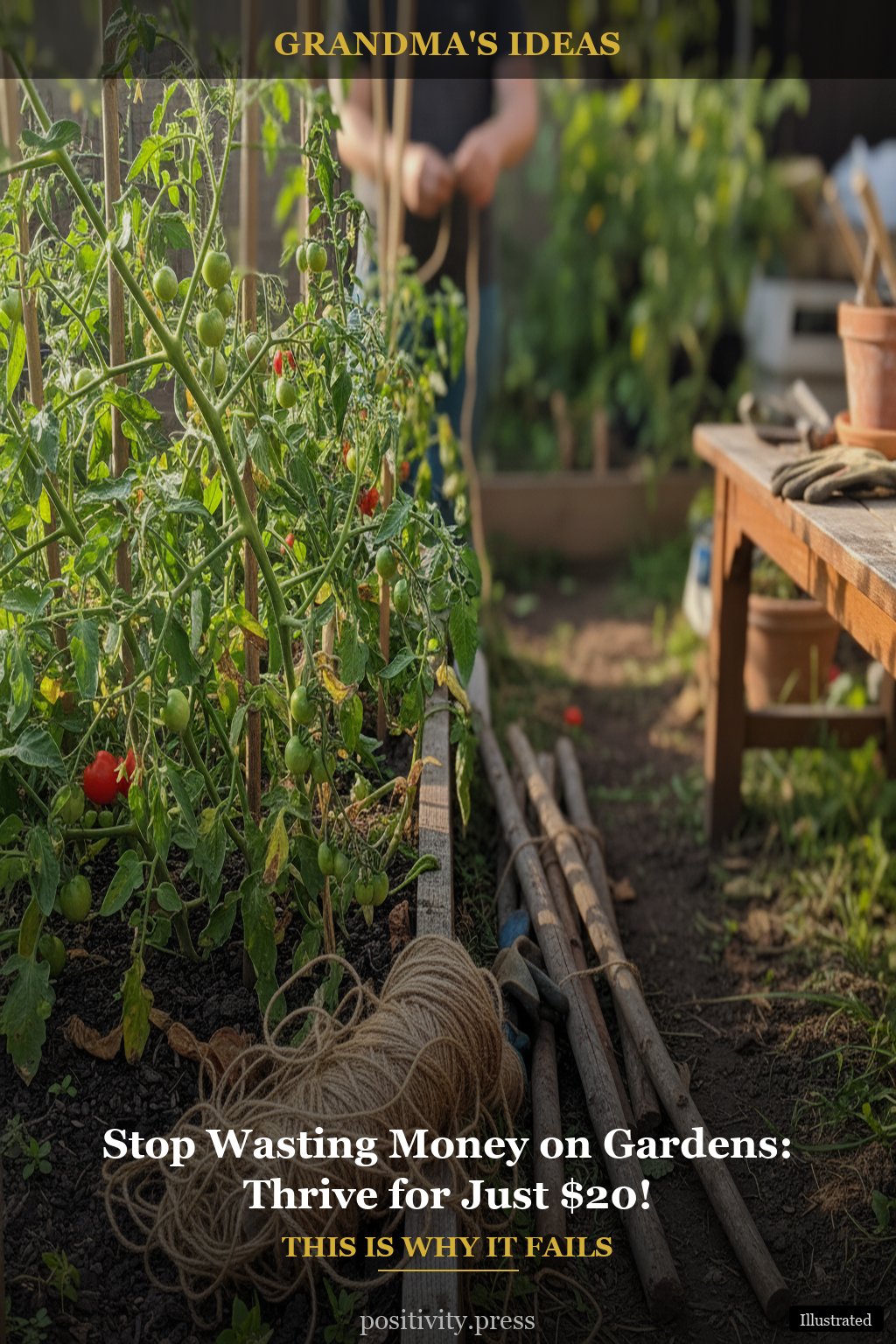
Stop Wasting Money on Gardens: Thrive for Just $20!
1. Choose the Right Plants
When it comes to drought tolerant gardening in small spaces, the first step is choosing the right plants. Opt for native species that thrive in your local climate, as they require less water and maintenance. Plants such as succulents, lavender, and ornamental grasses are excellent choices.
These plants not only survive but also bring character and charm to your garden. Grandma always said, “A little planning goes a long way.” So, take the time to select plants that will flourish with minimal water.
Companion planting can increase vegetable yield by 20-30% without extra effort.
2. Utilize Container Gardening
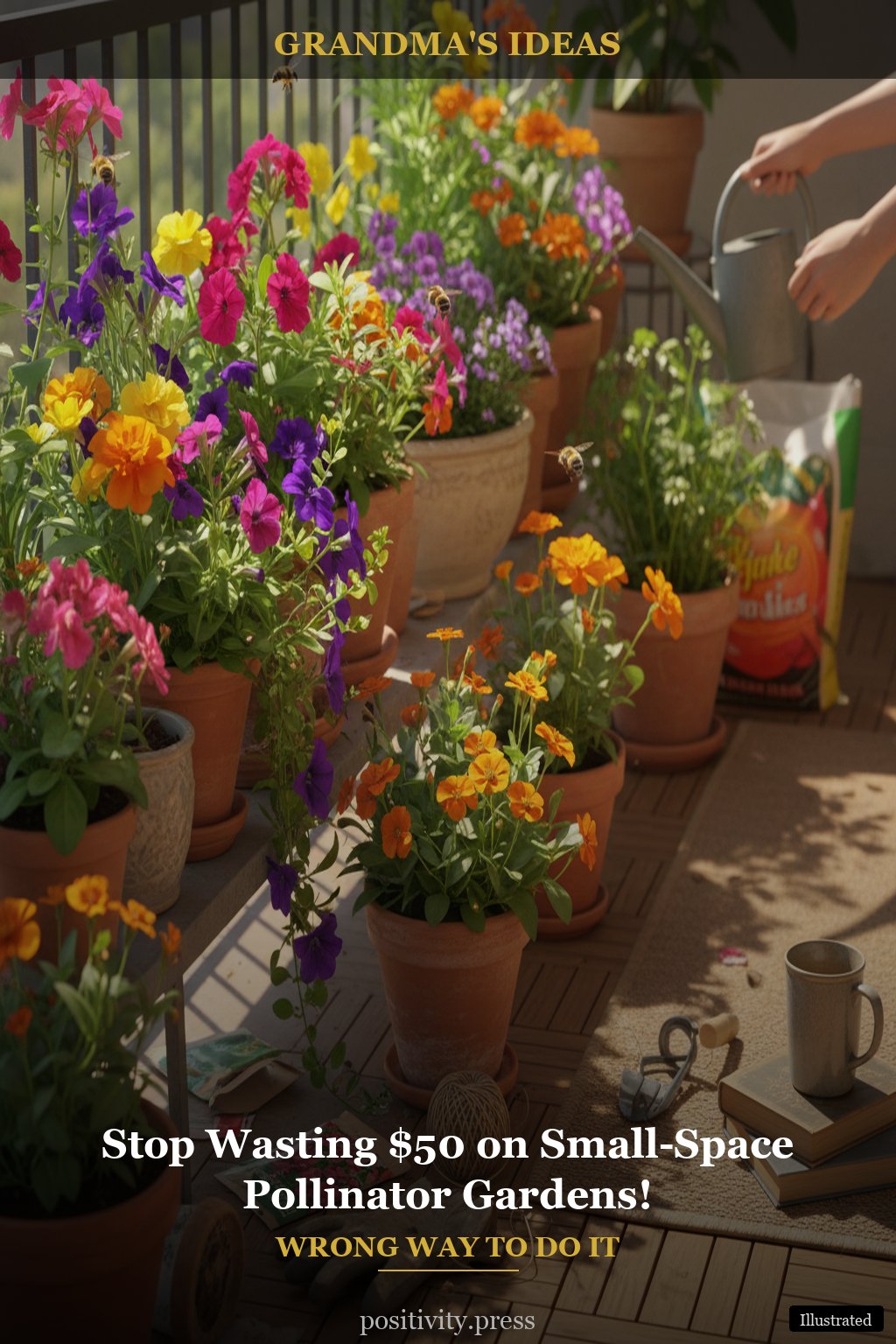
Container gardening is a perfect solution for small spaces, allowing you to create a garden anywhere—even on a balcony or porch. You can pick up inexpensive pots at thrift stores or use old containers you have lying around the house.
Fill them with drought-tolerant plants, and you’ll have a cozy garden nook in no time. Just remember to choose containers with good drainage to prevent over-watering.
3. Implement Space-Saving Techniques
Vertical gardening is a wonderful way to save space while adding beauty to your home. Consider wall planters, trellises, or even hanging baskets to maximize your area. These techniques create a lush garden without taking up precious ground space.
Everyone asks me how I did this, and the truth is, it’s all about thinking outside the box. A small space doesn’t mean you can’t enjoy gardening!
Keep this list — Grandma would approve
4. Mulch to Retain Moisture
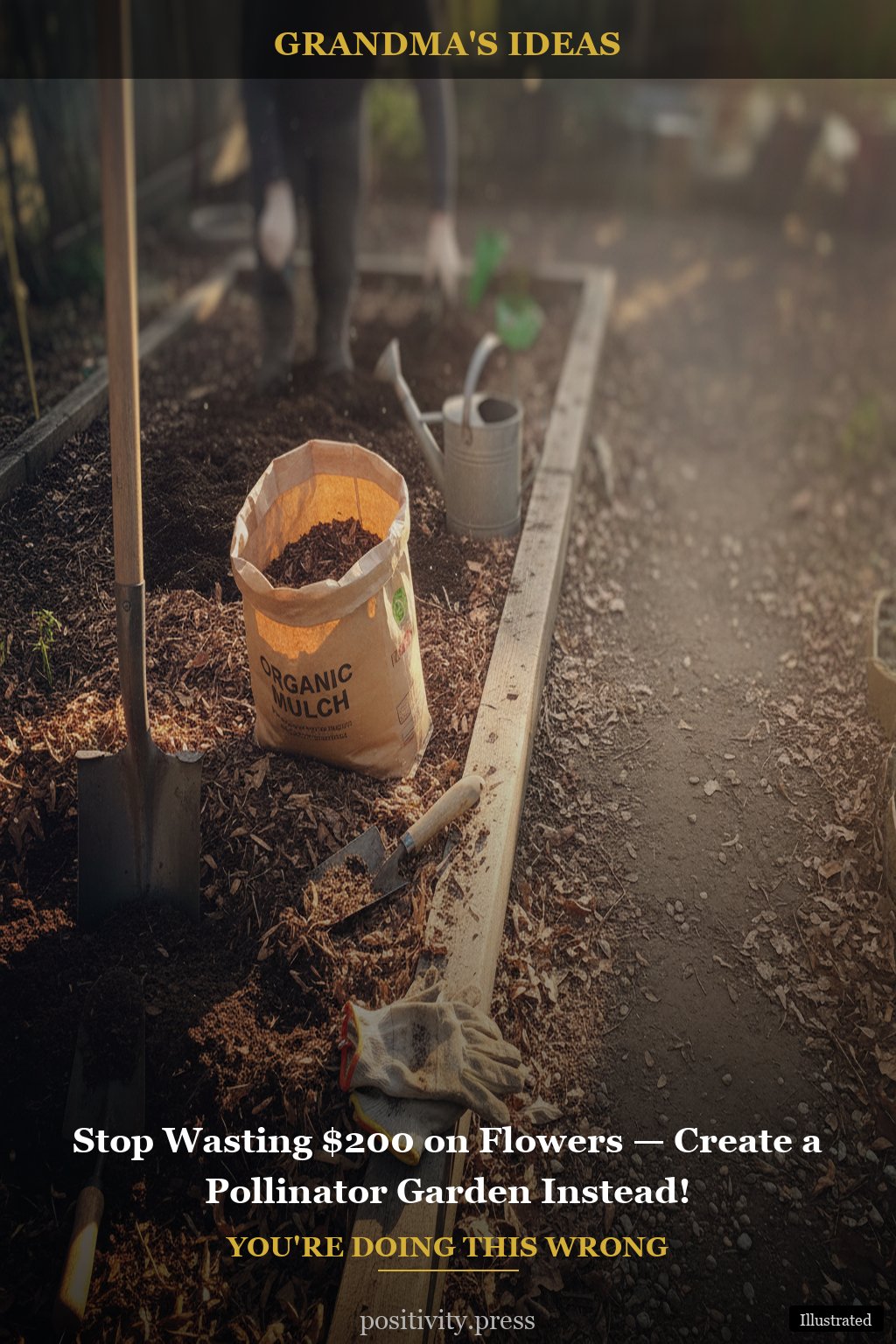
Applying a layer of mulch around your plants is an old-fashioned trick that retains moisture in the soil. Not only does it help keep the roots cool, but it also prevents weeds from stealing precious nutrients.
You can use organic materials like straw, wood chips, or even shredded leaves. This simple fix can make a significant difference in how often you need to water your plants.
5. Create a Drip Irrigation System
For a small investment, you can set up a simple drip irrigation system. This system delivers water directly to the roots where it’s needed most, reducing waste and saving you money on your water bill.
It’s a great way to ensure your plants receive consistent moisture without the hassle of regular watering. A little planning and a few supplies can go a long way!
6. Embrace Companion Planting
Did you know that companion planting can increase vegetable yield by 20-30% without extra effort? Pairing certain plants can help them thrive together while minimizing water needs. For example, plant tomatoes with basil or carrots with onions.
These combinations not only optimize space but also create a more resilient garden. Plus, it’s a fun way to experiment with flavors right in your own backyard!
7. Repurpose Household Items
Before you head out to buy new gardening supplies, look around your home. You might find items that can be repurposed for your garden. Old buckets can become planters, and empty wine bottles can serve as watering devices.
This is the step that separates good from great: using creativity with what you already have. It’s not just budget-friendly, but it also adds a personal touch to your garden.
8. Plan for Seasonal Changes
Gardening in small spaces means you’ll want to plan for seasonal changes. Choose plants that bloom at different times throughout the year to maintain interest and color in your garden.
By selecting a variety of drought-tolerant plants, you can ensure your garden remains vibrant all year long, without needing extra water.
The One Thing That Speeds This Up
If you want to make this even easier, simple tools like a compost tumbler can save time and money without any extra effort. Not only does it provide nutrient-rich compost for your plants, but it also reduces waste in your kitchen. Grandma always said that good soil is the secret to a thriving garden.
The Step Everyone Skips
One important step many gardeners overlook is proper soil preparation. Investing time in enriching your soil can make all the difference in the world. A healthy garden begins with healthy soil, and it’s not complicated! Mixing in compost, which you can create yourself, will help retain moisture and provide essential nutrients.
Taking this extra step may seem small, but it’s often the key to a flourishing garden. Trust me; your plants will thank you!
Estimated savings: $50–$100 per project (vs $150+ retail)
Conclusion
Drought tolerant gardening in small spaces doesn’t have to break the bank. With a little creativity and planning, you can create a beautiful, thriving garden on a $20 budget. Remember to choose the right plants, utilize containers, and embrace old-fashioned tricks like mulching and companion planting.
Try the one that caught your eye first — your gut knows.
You might also enjoy: classic casserole recipes
You might also enjoy: DIY floating shelves tutorial



Post Comment