Stop Wasting $200 on Small Gardens – Discover the Old-Fashioned Way
The Old-Fashioned Way to Create a Small Space Garden
Last month, I tried Grandma’s old method of creating a small space garden, and the result surprised everyone — especially me. With just a few simple techniques, I transformed a forgotten corner of my patio into a lush green retreat. If you’ve ever felt limited by the space you have, fear not! Grandma always had a trick for these situations, and I’m here to share her secrets. After all, pollinators are responsible for 1 in every 3 bites of food we eat, so let’s get those buzzing friends over to your little garden!
1. Start with Raised Beds
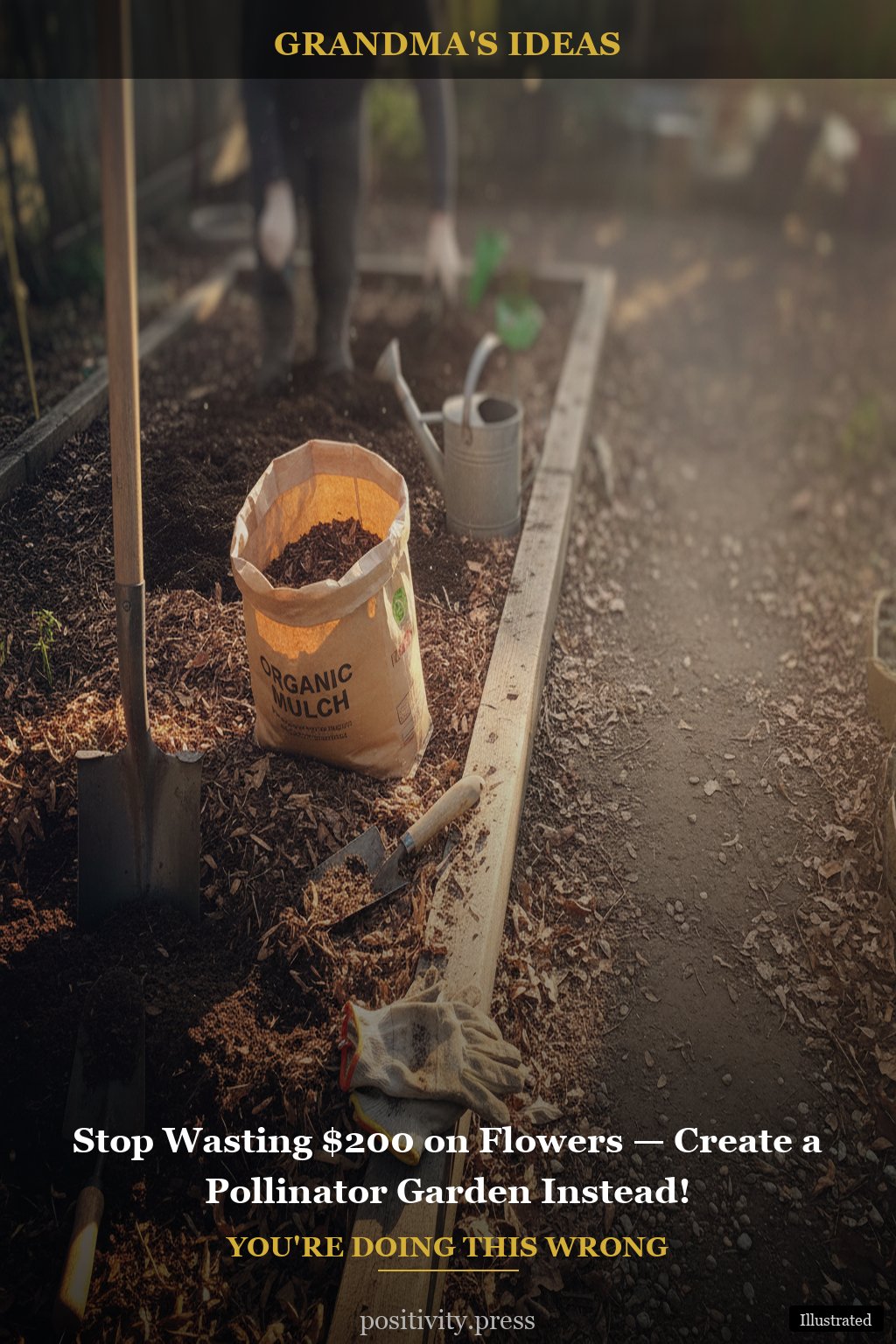
Grandma always said a raised bed is the best way to start a garden in a small space. It gives you control over the soil quality and allows for better drainage. You can build a raised bed easily with reclaimed wood or even bricks you have lying around.
Pollinators are responsible for 1 in every 3 bites of food we eat.
- **Vertical space:** Raised beds can be stacked or arranged in tiers to maximize space.
- **Accessibility:** They make gardening easier on your back since you won’t need to bend down as much.
With a little creativity, you can even paint your raised beds to add a splash of color to your garden. Grandma loved to decorate hers with flowers and herbs!
This is the trick that changes everything:
2. Use Vertical Gardening Techniques
Another old-fashioned method Grandma swore by was vertical gardening. This technique is perfect for small spaces, as it allows you to utilize your vertical area instead of just the ground. You can create a living wall with trellises or hanging pots.
- **Trellises:** Easy to build and maintain, they can hold climbing plants like peas and cucumbers.
- **Hanging baskets:** Perfect for strawberries or flowers, they add height and beauty.
Vertical gardening not only saves space but also creates an eye-catching display that can make your small garden feel much larger.
3. Companion Planting
Grandma might have called this her ‘little secret.’ Companion planting is the practice of placing different plants together to enhance growth and deter pests. For example, tomatoes thrive when planted near basil, and marigolds can help repel unwanted insects.
- **Better yields:** Plants support each other, leading to a more productive garden.
- **Natural pest control:** No need for harsh chemicals, just let nature do its work!
This is worth saving for a rainy day project. You can easily plan companion planting arrangements on a rainy afternoon with a cup of tea.
4. Choose the Right Containers
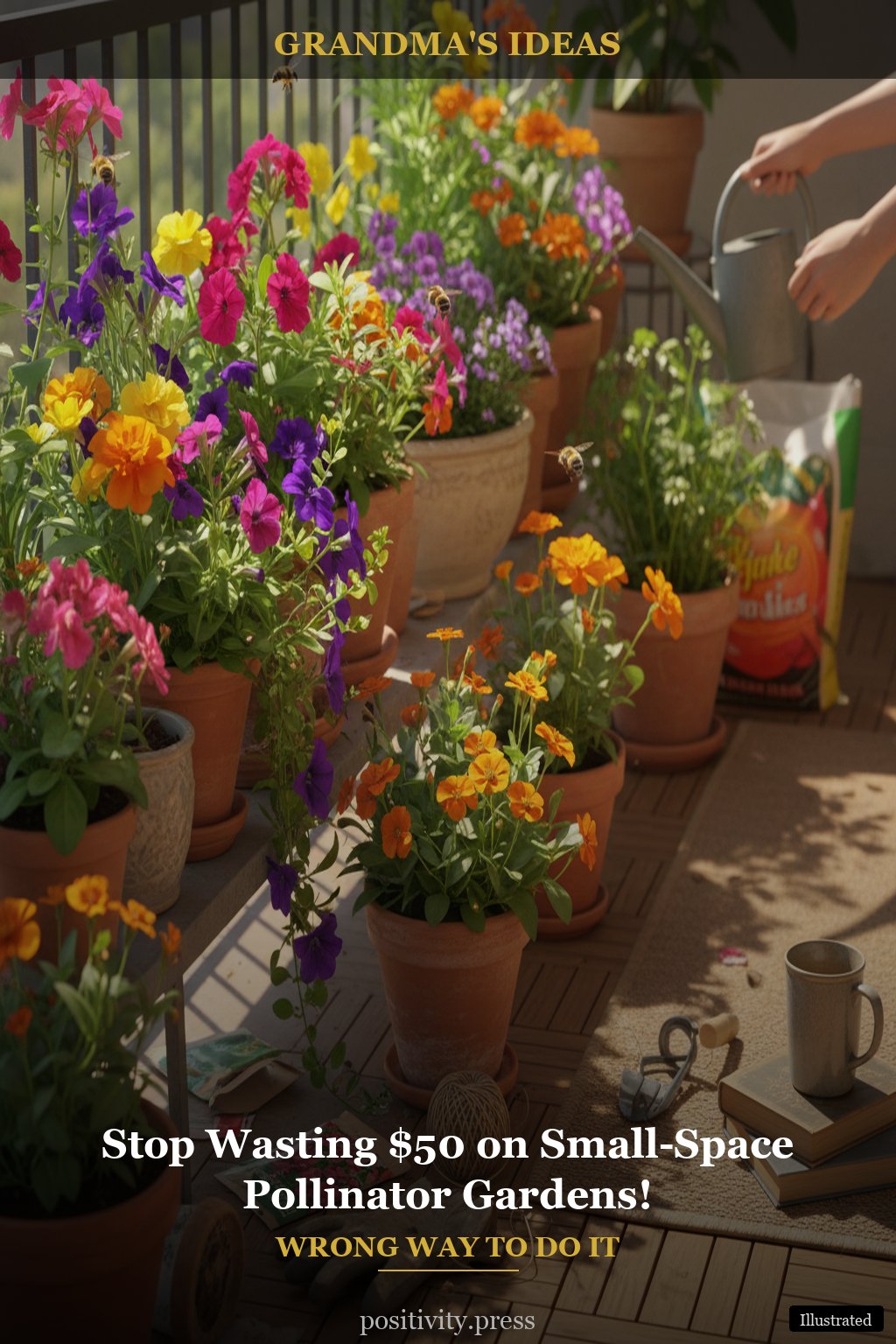
When it comes to small space gardening, containers are your best friends! Grandma always had a variety of pots, from large whiskey barrels to simple terracotta pots. The key is to pick the right size for your plants.
- **Drainage holes:** Make sure your containers have adequate drainage to keep your plants healthy.
- **Mobility:** Use lightweight materials to make it easy to rearrange your garden as needed.
Mix and match your containers for a charming, eclectic look. This gives your garden personality and warmth, just like Grandma’s did.
Grandma always emphasized this part:
5. Homemade Compost
Back in the day, Grandma never let kitchen scraps go to waste. She made her own compost, enriching her garden soil with nutrients. It’s one of the easiest ways to go green and save on fertilizer costs.
- **What to compost:** Fruit and vegetable scraps, coffee grounds, and even eggshells can make a difference.
- **Simple setup:** A small bin or even a corner of your yard can serve as your compost area.
This process not only helps your plants thrive but also reduces waste, making it a win-win situation.
6. Seasonal Planting
Grandma had a knack for planting what was in season. She knew that certain vegetables and herbs thrive at different times of the year. This method not only ensures a bountiful harvest but also keeps your garden looking fresh and vibrant year-round.
- **Plan ahead:** Research what grows best in your area during different seasons.
- **Rotate crops:** This helps maintain soil health and reduces pest issues.
By following seasonal planting, you’ll enjoy a continuous supply of fresh produce right from your backyard!
7. Upcycling Garden Decor
Another old-fashioned trick Grandma loved was upcycling everyday items into garden decor. From using old teacups as planters to crafting garden markers from spoons, the possibilities are endless!
- **Creative touches:** Personalize your garden with unique items that tell your story.
- **Cost-effective:** You can beautify your space without spending a lot of money.
Every time you look at these homemade pieces, you’ll be reminded of the love and warmth of Grandma’s garden.
A Budget-Friendly Helper for This Project
If you want to make this even easier, simple tools like a hose nozzle with multiple settings can save time and money without any extra effort. It allows you to water your plants efficiently, ensuring they get the right amount of moisture without wasting water.
The One Thing I Wish I Knew Sooner
One of the biggest lessons I learned from Grandma was the importance of patience in gardening. Often, we want to see immediate results, but nature takes its time. By allowing plants to grow at their own pace, you’ll be rewarded with a beautiful garden that flourishes.
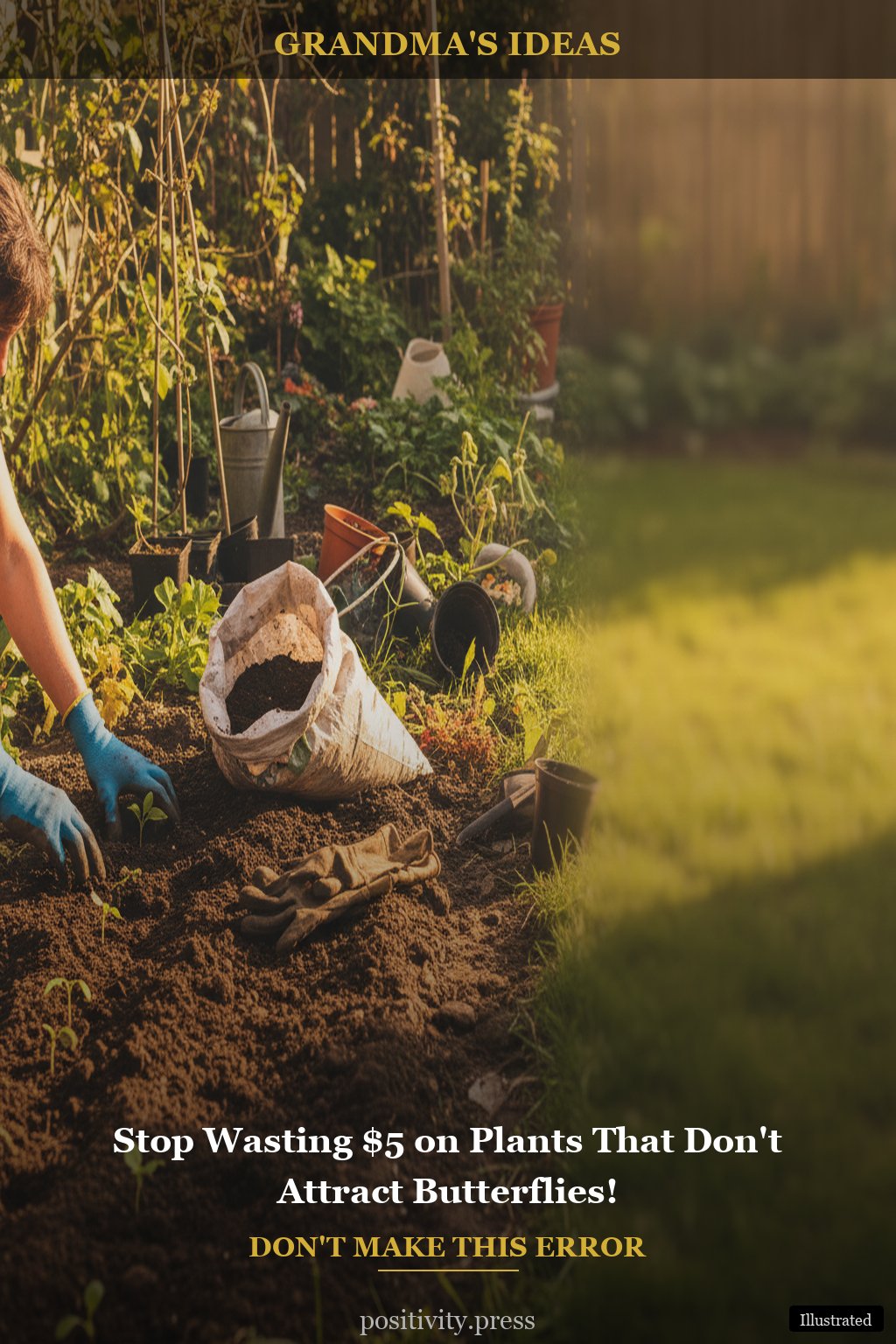
Additionally, I wish I had known about the benefits of planting flowers alongside vegetables. Not only does it attract pollinators, but it also adds beauty and diversity to your garden. Grandma was right — a little patience goes a long way in nurturing a thriving small space garden.
Estimated savings: $50–$75 per project (vs $150+ retail)
Do one small thing today — tomorrow do another
You might also enjoy: pantry staple meals with canned goods
You might also enjoy: closet and pantry organization hacks



Post Comment