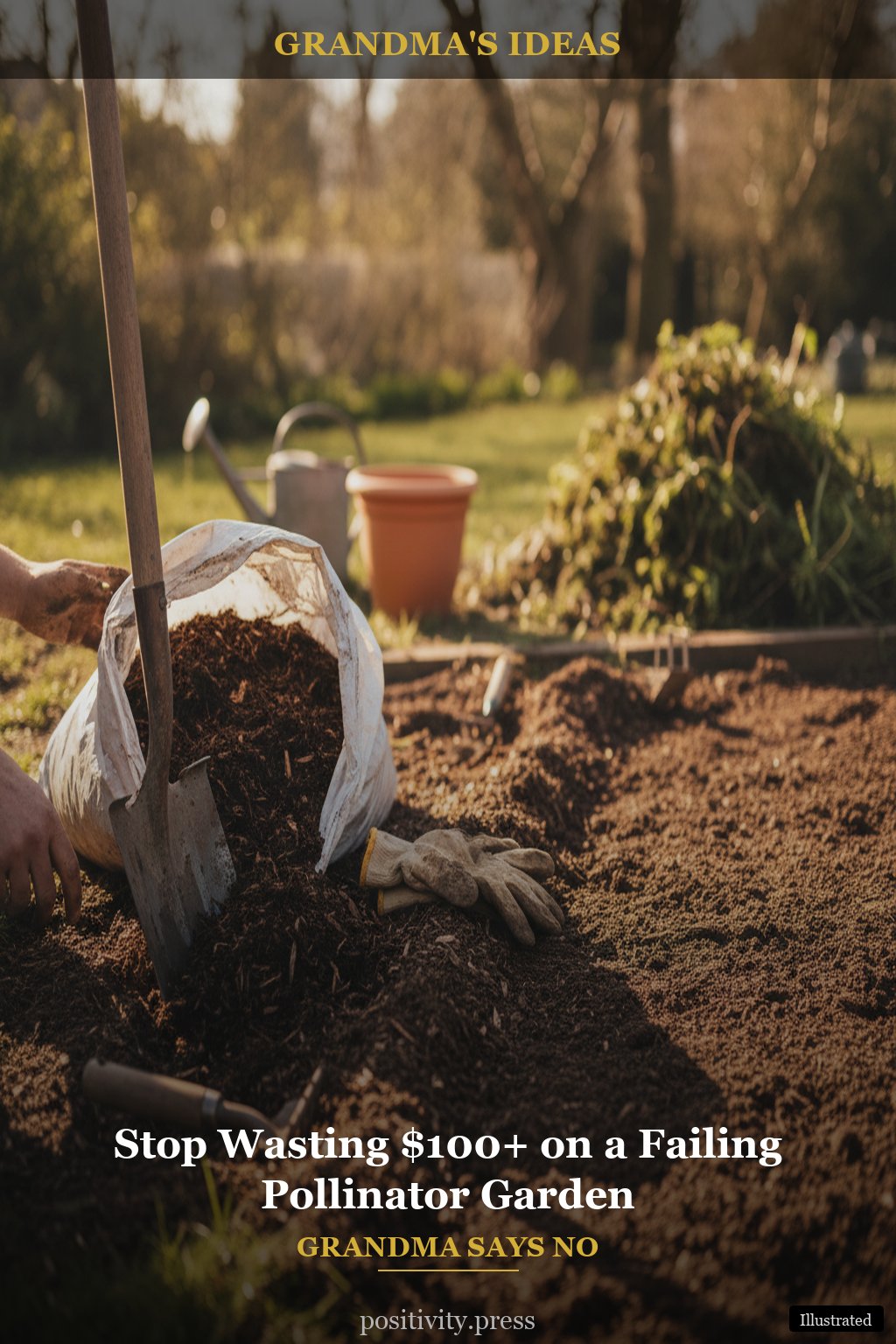
Why Your Pollinator Garden is Costing You $100+ in Lost Beauty
Why Your Pollinator Garden Isn’t Thriving
Everyone says that all you need to do for a thriving pollinator garden is to plant a variety of flowers and let nature take its course. Grandma disagrees. While it sounds simple, this advice often overlooks the nuances of maintaining a healthy and inviting space for our buzzing friends. Let’s dive into why your pollinator garden might not be flourishing as expected and how to turn it into a vibrant haven for bees, butterflies, and other pollinators.
Did you know that home gardens contributed $35 billion in food value in the US last year? That’s a testament to the power of nurturing our own little patches of earth. However, many eager gardeners find themselves frustrated by a lackluster pollinator garden despite their best efforts. Let’s explore common pitfalls and practical solutions that can breathe new life into your efforts.
Home gardens contributed $35 billion in food value in the US last year.
Common Pollinator Garden Problems
When your pollinator garden isn’t thriving, it can often be traced back to a few common problems.
- Insufficient Variety of Plants: While many guides suggest planting a mixture of flowers, they often fail to emphasize the importance of choosing native plants. Native species are not only more resilient but also directly support local ecosystems.
- Neglecting Soil Quality: The foundation of any garden is healthy soil. If the soil is poor, compacted, or lacking in nutrients, your plants won’t flourish.
- Overlooking Pests: Some pests can be beneficial, but others can wreak havoc on your garden. Identifying the difference is crucial to maintaining a balanced ecosystem.
- Poor Maintenance Habits: Regular maintenance is vital for plant health. Ignoring weeding, deadheading, and watering can lead to a garden that simply won’t thrive.
This small detail makes a huge impact:
Let’s break down these points and explore how to address them effectively.
Why Plant Variety Matters
One might think that planting a mix of flowers is enough, but not all flowers are created equal. While it’s true that diversity is important, the key is to prioritize native plants that attract local pollinators. Grandma always said that plants should feel at home in their environment. Native flowers are adapted to local conditions and are more appealing to native pollinators.
For instance, if you live in the Midwest, consider planting coneflowers or black-eyed Susans. These plants not only thrive in local soil but also provide essential resources for pollinators. On the other hand, exotic plants may not offer the same benefits and can sometimes become invasive.
Here is what most tutorials leave out:
It’s essential to research which plants bloom at different times of the year. This ensures that your pollinator garden provides a continuous food source rather than a feast that ends too soon.
Soil Quality: The Foundation of Your Garden
Many gardening tutorials emphasize planting techniques but often skim over soil health. Grandma knew that good soil is the bedrock of a thriving garden. Poor soil can lead to stunted growth, pest problems, and a lack of nutrients for your plants.
Consider performing a soil test to assess pH levels and nutrient content. Adding organic matter like compost can enhance soil structure and fertility, making a world of difference in your garden’s health. Grandma tried this and saved $30 on fertilizers that didn’t work in her garden! It’s a simple fix that pays off in the long run.
Grandma’s secret for this part:
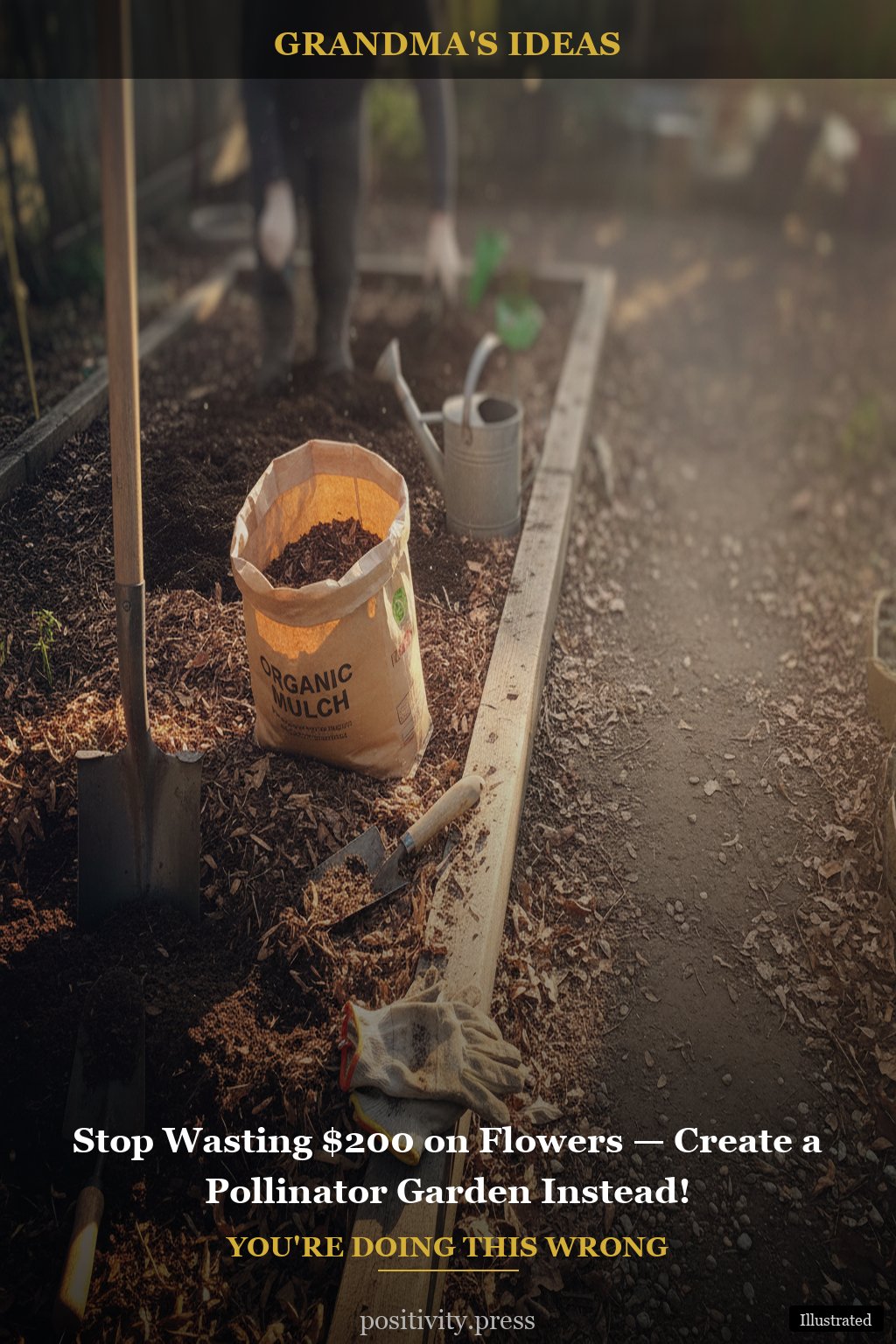
Regularly mulching your garden can help retain moisture, suppress weeds, and slowly enrich the soil as the mulch breaks down.
Managing Garden Pests
When it comes to pests, it’s crucial to differentiate between harmful insects and beneficial ones. Everyone loves the idea of a natural garden, but the reality is that some pests can wreak havoc on your plants. Many folks think that an all-natural approach means letting every insect thrive, but that can spell disaster for your pollinator garden.
Instead of resorting to harsh chemicals, consider natural solutions. For example, introducing ladybugs can help control aphid populations without damaging your plants. And remember, not all bugs are bad! Some are vital for pollination, so be cautious about how you manage pest problems.
This small detail makes a huge impact:
Encouraging a diverse ecosystem in your garden can help keep pest populations in check. Planting a variety of flowering plants can attract beneficial insects that naturally control pests.
Garden Maintenance: A Regular Commitment
Let’s talk about maintenance. It’s easy to get caught up in the joy of planting and forget the ongoing care your garden requires. Regular weeding, watering, and pruning can make a significant difference. Grandma always said, “A little love goes a long way.” Investing time in your garden will pay off with beautiful blooms and bustling pollinators.
Set a schedule for maintenance tasks, and don’t let them pile up. Regularly deadheading spent flowers can encourage new blooms, and consistent watering, especially during dry spells, is essential for plant health.
This is worth saving for a rainy day project.
When the Original Advice Works
Now, let’s not be too harsh on the conventional advice. Planting a variety of flowers can work wonders—provided the flowers are suitable for your local environment and pollinators. If you’ve done your research and selected native plants, you’re already on the right track.
In certain cases, simply letting nature take its course can lead to a thriving ecosystem. If your garden is well-established and you’ve chosen the right plants, you might find that pollinators flock to it with minimal intervention. However, this is often the exception rather than the rule.
The trick is to know when to lean into natural processes and when to step in with care. Balance is key in a successful pollinator garden.
Why Most People Get This Wrong
Most people approach pollinator gardens with the mindset that all they need is a pretty collection of flowers. While aesthetics are important, they often overlook the critical factors of plant health, soil quality, and ongoing maintenance. Many gardening tutorials and blogs paint a romantic picture of a self-sustaining garden, but the reality is that it requires effort to achieve that dream.
Additionally, there’s a misconception that more flowers equal a better garden. In truth, quality matters far more than quantity. Planting a handful of well-chosen, native varieties can far outperform a garden overcrowded with exotic species that don’t provide the necessary support for local pollinators.
Finally, many gardeners underestimate the impact of pests and neglect to address them properly. Understanding which insects are beneficial versus harmful can save your garden from disaster.
Worth Trying If You Want Better Results
If you want to make this even easier, simple tools like a raised bed liner can save time and money without any extra effort. It helps keep your soil healthy and can prevent weeds from overtaking your precious plants. Grandma always said, “A good foundation makes for a strong home,” and the same goes for your garden!
Estimated savings: $25–$100 per project (vs $200+ retail)
Conclusion
Creating and maintaining a thriving pollinator garden is a rewarding endeavor, but it does require a bit of knowledge and effort. By focusing on native plants, ensuring healthy soil, managing pests wisely, and committing to regular maintenance, you can transform your garden into a vibrant sanctuary for pollinators. Remember, it’s all about finding balance and nurturing your garden with love.
Start with the easiest one — Grandma always said start small.
You might also enjoy: porch and outdoor living space decor
You might also enjoy: leftover makeover meal ideas



Post Comment