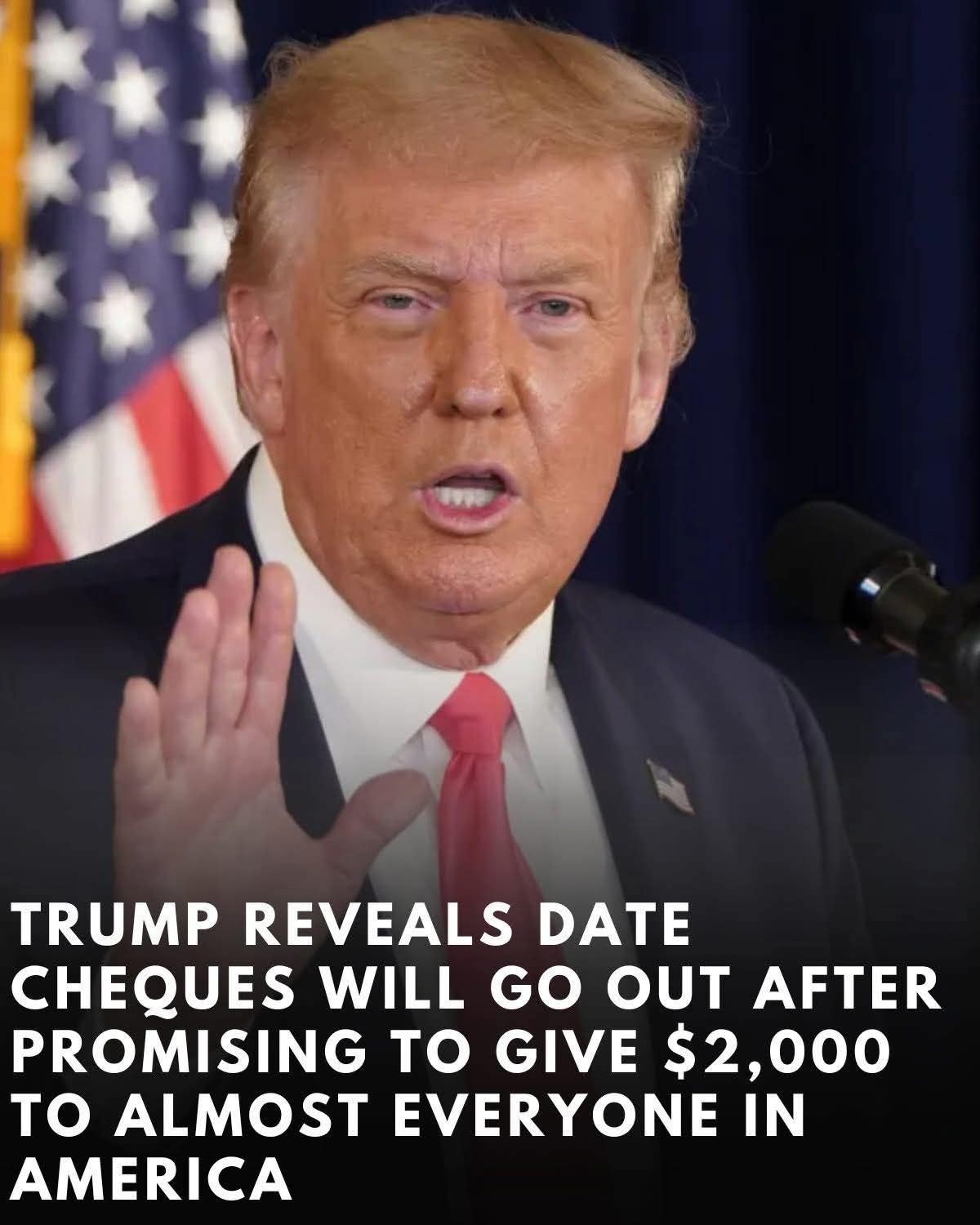
Trump has said he will keep his promise…
When evaluating large-scale economic proposals, it’s essential to separate marketing from mechanics. Tariffs, despite patriotic framing, are simply taxes on imported goods—paid not by foreign governments, but by importers and ultimately passed to American consumers. Higher tariffs mean higher prices. Businesses raise costs to survive, retailers pass them on, and families feel the impact long before any promised benefits arrive.
Tariffs can also provoke retaliation. Other countries often impose their own taxes, disrupt supply chains, and target American exports, hitting farmers, manufacturers, and small businesses first. What begins as a “make them pay” strategy can quickly spiral into a costly trade conflict.
Some supporters suggest using tariff revenue to fund a nationwide dividend, but such a plan is far from simple. Administrating millions of payments, deciding eligibility, adjusting amounts, and managing fluctuating revenue is complex. Tariff income rises and falls with global trade and economic cycles, meaning payments could be inconsistent. Without robust legal and bureaucratic frameworks, the promised dividend risks chaos—or simply failing to offset higher prices.
Even if implemented perfectly, the effects on everyday life are immediate. Imported materials underpin countless industries—electronics, machinery, groceries, and cars. Prices rise before any dividend check arrives, squeezing retirees on fixed incomes and families already stretched thin. Domestic production cannot instantly replace imports, and producing locally is often more expensive, ensuring costs remain high.
Geopolitical consequences add another layer of risk. Tariffs can strain alliances and provoke trading partners to seek alternatives, reducing American exports and harming workers and industries the policy claims to protect.
Tariffs are often sold with simple, patriotic rhetoric, but the reality is far more complex. While the goal of a stronger, self-sufficient economy is valid, relying on a tariff-funded dividend as a cure-all is a political fantasy. Without clear rules, stable funding, and long-term economic planning, the plan remains more slogan than policy.
For Americans, the key question is straightforward: will this policy make life easier or harder? Until it provides clarity, certainty, and realistic implementation, the burden falls on households while promised benefits remain uncertain.






Post Comment