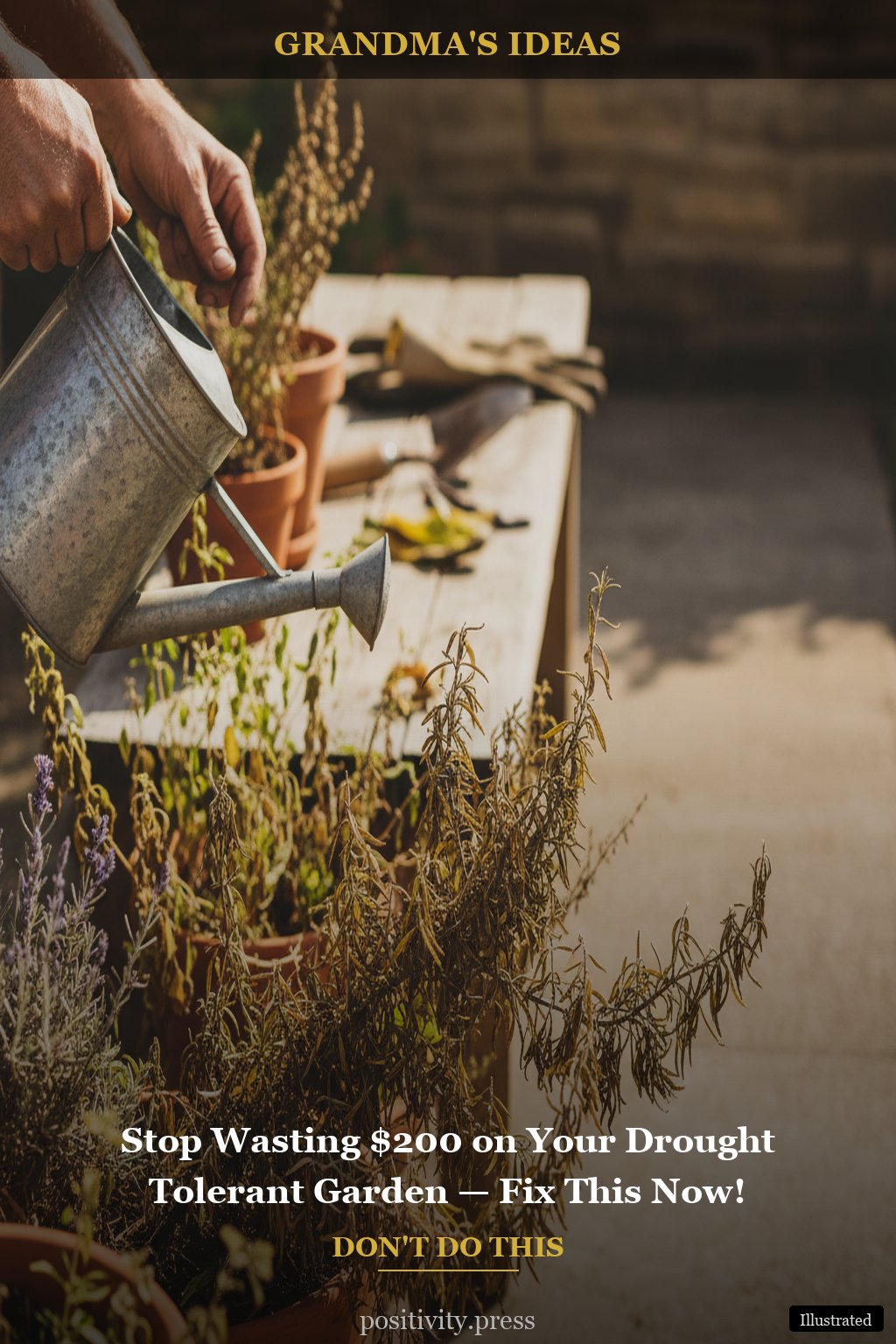
Stop Wasting $200 on Your Drought Tolerant Garden — Fix This Now!
1. Poor Soil Quality
Just like us, plants thrive in good soil. Grandma always said that good soil is the foundation of a healthy garden. If your drought tolerant garden isn’t thriving, it might be because the soil is too compacted or lacking in nutrients. This can hinder root growth and water absorption, leading to unhappy plants.
- Test your soil’s pH and nutrient levels.
- Add organic matter like compost to improve soil structure.
Mixing in homemade compost not only nourishes your plants but also utilizes scraps you likely already have at home!
Herbs grown at home cost 90% less than store-bought fresh herbs over a season.
2. Overwatering or Underwatering
Watering might seem straightforward, but it’s one of the most common gardening mistakes. Overwatering can drown roots, while underwatering can cause them to dry out. Finding that sweet spot is essential for drought tolerant plants. Grandma always knew that plants have different water needs, so she adjusted her watering schedule accordingly.
- Check the soil moisture before watering.
- Consider using a rain gauge to track rainfall.
Sometimes, a simple finger test can do wonders. Stick your finger into the soil; if it’s dry an inch down, it’s time to water!
3. Wrong Plant Selection
Not all plants are created equal, and choosing the wrong varieties for your climate can spell disaster. Grandma had her favorites, but she also knew which plants thrived in her region. If you’ve planted drought tolerant species that aren’t suited to your local climate, they may struggle to survive.
- Research native plants that cope well with your conditions.
- Choose varieties that are proven to do well in dry spells.
Remember, it’s like picking the right shoes for a long walk; you need ones that fit the terrain!
Pin this for the next time you feel stuck
4. Lack of Mulching
Mulching is one of those old-fashioned tricks that Grandma swore by. A good layer of mulch can help retain moisture in the soil, suppress weeds, and regulate soil temperature. If your garden is looking parched, it might be time to spread a fresh layer of mulch.
- Use organic materials like bark, straw, or even grass clippings.
- A layer of 3-4 inches is ideal for moisture retention.
Plus, it keeps your garden looking tidy and cozy! And who doesn’t love a neat garden?
5. Poor Plant Placement
Every plant has its favorite sunny spot, and if you’re not paying attention, they might not thrive. Grandma always arranged her plants based on their sun and shade needs. If you’ve got shade-loving plants in full sun, or vice versa, they’ll struggle to grow.
- Observe your garden throughout the day to see how sunlight moves.
- Group plants with similar light needs together.
Arranging plants like this helps them flourish and creates a beautiful tapestry of colors and textures.
Here is what most tutorials leave out:
6. Ignoring Pests and Diseases
Sometimes, the issue isn’t with the plants themselves but with pests or diseases sneaking in. Grandma always had her special remedies for keeping pests at bay, using items like soap and water or even a sprinkle of cinnamon for fungal issues.
- Regularly check your plants for signs of distress.
- Encourage beneficial insects like ladybugs to take up residence.
Keeping a watchful eye can save your garden from a lot of heartache!
7. Neglecting Seasonal Adjustments
Just as we change our wardrobes with the seasons, your garden needs adjustments too. Grandma would often rotate her crops or shift her watering practices based on the season. Ignoring these changes can lead to plants that are out of sync with their environment.
- Adapt your care routine with the changing seasons.
- Consider seasonal planting for optimal growth.
Being aware of seasonal shifts helps your garden remain vibrant year-round.
8. Using the Wrong Fertilizer
Not all fertilizers are made equal, and using the wrong one can cause more harm than good. Grandma preferred homemade fertilizers — like compost tea — that were gentle on her plants. If you’re using chemical fertilizers, they might not be suitable for drought-tolerant plants.
- Opt for slow-release or organic fertilizers.
- Make sure your fertilizer is appropriate for the plants you’re growing.
Think of it as feeding your family. You wouldn’t serve them junk food all the time, would you?
The One Thing I Wish I Knew Sooner
When I first started my own garden, I wished I had known the importance of observing my plants. Grandma had a way of walking through her garden each day, chatting with her plants as if they were friends. This intimate knowledge allowed her to spot problems early and take action.
Taking a few moments each day to simply observe can lead to a wealth of knowledge about your garden’s needs. It’s a simple yet profound lesson that pays off immensely — and it doesn’t require any fancy tools or gadgets.
Estimated savings: $25–$100 per project (vs $200+ retail)
Conclusion
Remember, nurturing a drought tolerant garden is a journey. With these tips, you’ll be well on your way to creating a thriving oasis. Don’t let common mistakes discourage you; instead, use them as stepping stones to success. With a little patience and a lot of love, your garden can flourish just like Grandma’s did!
Try the cheapest trick first — that is usually the best one
You might also enjoy: cozy reading nook setup guide
You might also enjoy: cast iron skillet dinner ideas



Post Comment