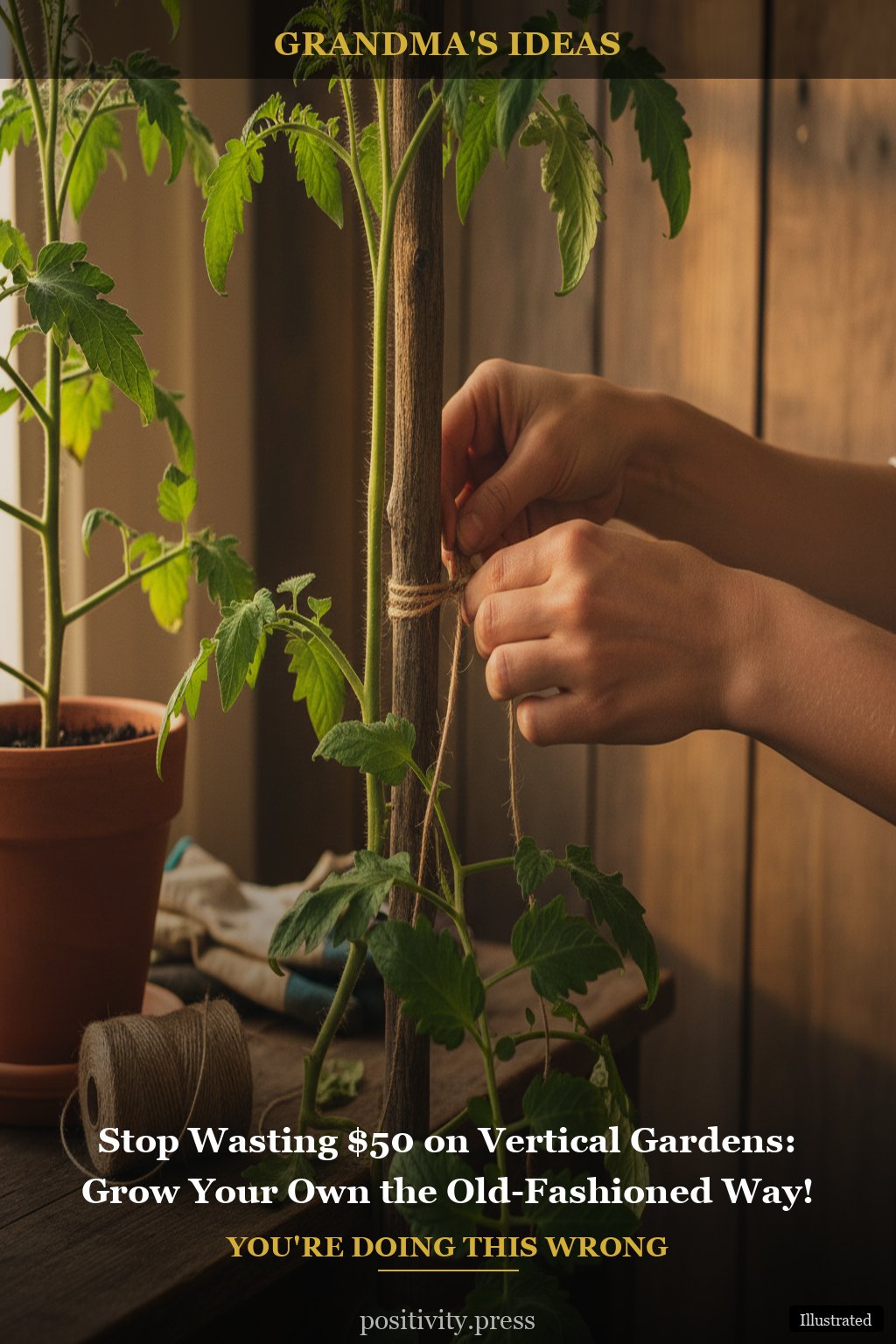
Stop Wasting $50 on Vertical Gardens: Grow Your Own the Old-Fashioned Way!
1. Choose the Right Location
Finding the perfect spot for your vertical garden is crucial. Grandma always said, ‘A garden needs sunlight, but it also needs shelter from the wind.’ Look for a place that gets at least six hours of sunlight a day, but is also shielded from harsh winds. This balance is essential for healthy growth.
- **Sunlight:** Ensure your plants receive enough light.
- **Shelter:** Consider adding a trellis or wall to protect against strong gusts.
Once you’ve identified a location, think about how much space you have. Vertical gardens can be set up on walls, fences, or even inside your home with the right materials.
A single tomato plant can produce 10-15 pounds of tomatoes per season.
2. Gather Your Materials
Back in the day, Grandma would make do with whatever she had on hand. You can do the same! Old wooden pallets, shoe organizers, or even repurposed wooden crates can serve as a perfect structure for your vertical garden.
- **Wooden Pallets:** Affordable and sturdy.
- **Shoe Organizers:** A clever way to utilize vertical space.
- **Repurposed Crates:** A charming, rustic touch.
Remember, no fancy tools are needed! You can create a stunning vertical garden using what you already have at home.
Here is what most tutorials leave out:
3. Prepare the Soil
Grandma always emphasized the importance of good soil. A well-draining mix is key to keeping your plants healthy. Combine potting soil with compost for added nutrients. This old-fashioned trick not only helps your plants thrive but also saves you money on fertilizers.
- **Potting Soil:** Provides a solid base for your plants.
- **Compost:** Enriches the soil naturally.
Mix these together in a large bucket or wheelbarrow, and you’ll have a nutrient-rich blend ready for planting.
Pin this so you do not forget
4. Select Your Plants
When it comes to choosing what to grow, think vertical! Climbing plants like beans, peas, and cucumbers are perfect for vertical gardens. Grandma would always plant herbs like basil and mint because they not only grow well but also add delightful flavors to her cooking.
- **Climbing Plants:** Great for height and space-saving.
- **Herbs:** Easy to grow and useful in the kitchen.
Try to mix different types of plants to create a visual feast. Don’t forget that some plants, like strawberries, can trail down beautifully, adding to the charm of your vertical garden.
Grandma’s secret for this part:
5. Watering Techniques
Watering can be tricky with vertical gardens. Grandma had an old watering can with a long spout that made it easy to reach the tops of plants. You could also use a drip irrigation system to ensure your plants get just the right amount of water without oversaturating the soil.
- **Watering Can:** A classic tool for precise watering.
- **Drip Irrigation:** Saves time and conserves water.
Remember, too much water can lead to root rot, so be cautious. Water in the early morning or late afternoon to prevent evaporation.
6. Support Your Plants
As your plants grow, they will need support to reach their full potential. Grandma often used simple trellises made from twigs or branches. You can also find inexpensive materials at your local garden center.
- **Trellises:** Good for climbing plants.
- **Twigs:** A creative, rustic solution.
Make sure to secure your plants early on, so they have the support they need to thrive. The right support will help them grow tall and strong.
Do not skip this — it matters more than you think:
7. Pest Control the Natural Way
Pests can be a gardener’s worst nightmare. Grandma preferred natural methods, like planting marigolds to deter pests or using a soap-and-water solution. Avoid chemical pesticides whenever possible to keep your garden safe for your family.
- **Marigolds:** Beautiful flowers that repel pests.
- **Soap and Water:** A simple solution for aphids and other bugs.
By using natural remedies, you’ll keep your garden healthy and organic, just like Grandma would have wanted.
8. Maintenance and Care
Regular maintenance is vital for a flourishing vertical garden. Grandma would remind us to prune regularly and check for any signs of disease. This simple fix can help ensure a bountiful harvest!
- **Pruning:** Encourages healthy growth.
- **Regular Checks:** Catch any issues early.
Take time to enjoy your garden, too. A few minutes each day can lead to a healthier garden and a more peaceful mind.
What Grandma Would Do Differently
If Grandma were here today, she might suggest incorporating more edible flowers into your vertical garden. They not only look lovely but also add a unique touch to salads and dishes. Think of nasturtiums or pansies! She’d also remind you to change up your plants seasonally to keep things fresh and exciting.
Another thing Grandma would likely emphasize is the importance of community. Sharing your gardening experience with friends or neighbors can not only be fulfilling but also help you learn new tips and tricks. The joy of gardening is often multiplied when shared!
Grandma’s Favorite Tool for This
If you want to make this even easier, simple tools like a grow light for seedlings can save time and money without any extra effort. This tool can help you start your plants indoors and give them a head start before moving them outside.
Estimated savings: $50–$100 per project (vs $100+ retail)
Show this to a friend and do one together this weekend
You might also enjoy: closet and pantry organization hacks
You might also enjoy: old fashioned comfort food recipes



Post Comment