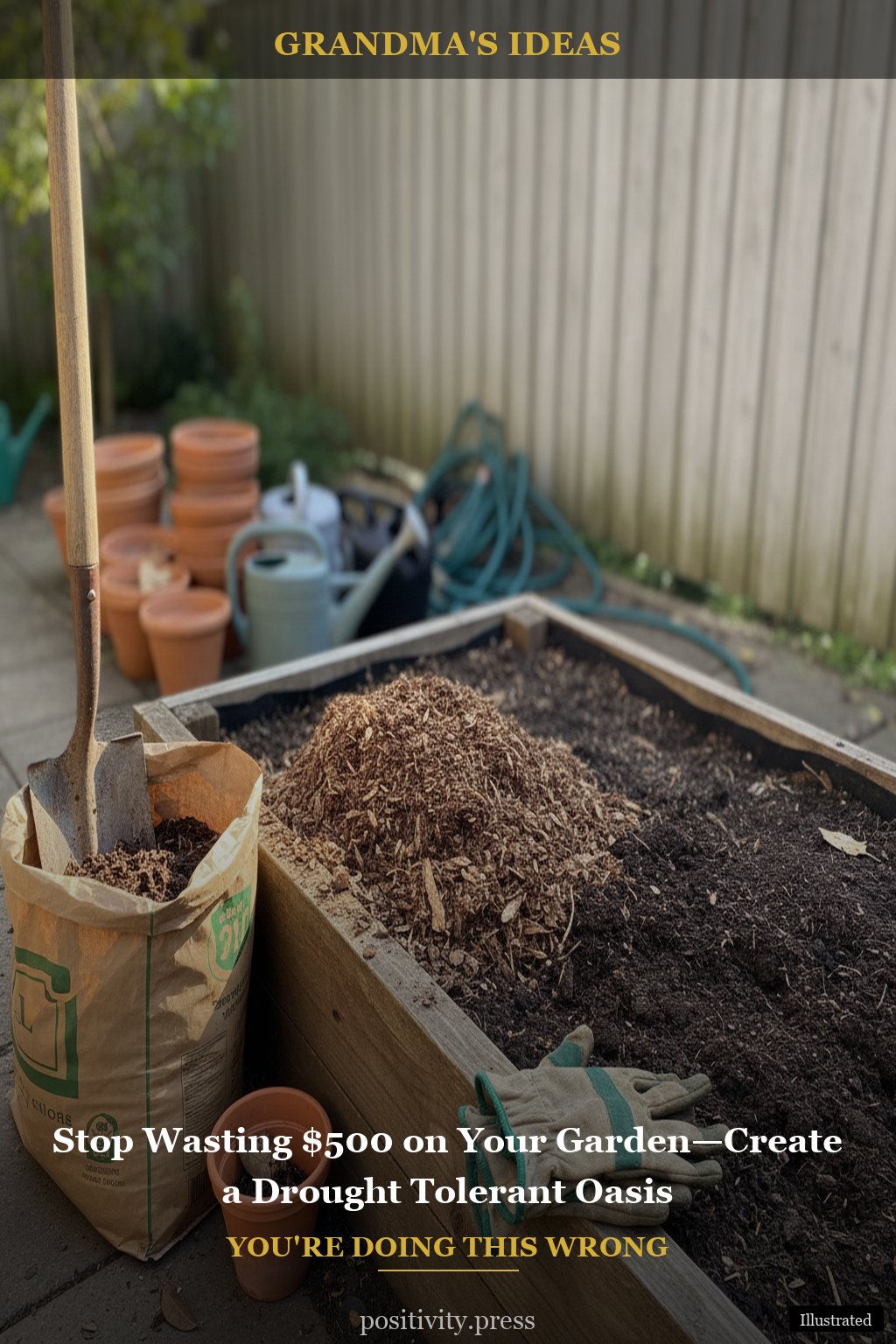
Stop Wasting $500 on Your Garden—Create a Drought Tolerant Oasis
1. Choose the Right Plants
Grandma always said, “The right plant for the right place.” When creating a drought tolerant garden, it’s essential to select water-saving plants that thrive in your climate. Native plants are particularly good choices because they are adapted to local weather and soil conditions. Think of plants like lavender, succulents, and certain varieties of ornamental grasses.
These plants not only require less water but can also help attract beneficial pollinators like bees and butterflies. If you’re unsure which plants are best for your area, don’t hesitate to consult your local nursery or cooperative extension. They can guide you to the perfect selections!
Home gardens contributed $35 billion in food value in the US last year.
2. Implement Mulching Techniques
Back in the day, we knew the secret to keeping soil moist was all about mulching. Adding a thick layer of mulch, such as wood chips or straw, around your plants acts as an insulator that helps retain soil moisture and suppresses weeds. Plus, it adds a charming, rustic look to your garden!
Not only does mulch save water, but it also enriches the soil as it breaks down. Remember, a little goes a long way. Aim for about 2-4 inches of mulch to see the best results.
Most people rush through this — don’t:
3. Group Plants Wisely
Another old-fashioned trick is to group your plants based on their water needs. By planting thirsty plants together in one area and drought-tolerant ones in another, you can ensure that you’re not overwatering any of your plants while still giving them the attention they need.
This method not only saves water but also makes your watering routine more efficient. Just think of it as organizing your gardening tasks to make them easier and quicker!
Save this and come back when you are ready
4. Water Smartly
Grandma always said, “Water early and water deep.” Instead of frequent shallow watering, aim to soak the roots deeply once or twice a week. This encourages deeper root growth, which helps plants withstand dry spells. Drip irrigation systems can be a great investment, delivering water right to the roots without wasting a drop.
Additionally, consider collecting rainwater in barrels. This eco-friendly gardening practice not only saves money but also harnesses nature’s bounty to keep your garden thriving.
Nobody talks about this step:
5. Optimize Soil Health
Healthy soil is the foundation of a thriving garden. Before planting, take the time to test your soil and amend it with organic matter like compost. This helps improve drainage and moisture retention. Grandma always believed that the best gardens start with good soil.
Using a simple soil test kit can tell you what nutrients your soil is lacking and what amendments are needed. It’s a small step that can lead to big rewards!
6. Design with Xeriscaping in Mind
Xeriscaping is a landscaping method that reduces or eliminates the need for irrigation. By creating a natural landscape that mimics a native ecosystem, you can use a combination of drought-tolerant plants, stone pathways, and decorative gravel to maximize beauty while minimizing water use.
This isn’t just practical; it can also be quite beautiful! Think of colorful stones, interesting textures, and native plants that bloom throughout the seasons.
Pay attention to this next part:
7. Create Shade Where Possible
Shading certain parts of your garden can reduce evaporation and help retain soil moisture. Consider planting trees or installing trellises with climbing plants over areas that tend to dry out quickly. Grandma would always remind us that a little shade can go a long way!
Not only will this help save on water, but it can also create cozy spots to relax in your garden. Remember, a garden should be a place of peace and tranquility.
8. Embrace Companion Planting
Did you know that certain plants can help each other thrive? Companion planting is an age-old technique that can benefit your garden immensely by improving nutrient uptake and pest control. For example, planting basil with tomatoes can help repel pests, while also providing them with the nutrients they need.
Mixing and matching can lead to a lush garden that requires less overall care. Grandma always believed that nature knows best, so why not let it work its magic?
The One Thing That Speeds This Up
If you want to make this even easier, simple tools like a soil test kit can save time and money without any extra effort. Knowing what your soil needs will make your gardening tasks so much smoother!
The Detail That Makes All the Difference
Sometimes, it’s the little things that can transform your garden. Consider adding pathways made from repurposed bricks or stones. Not only does this help with drainage, but it also gives your garden a charming, rustic touch that reflects the warmth of home.
Another delightful detail is incorporating cozy seating areas or benches. Imagine sipping lemonade in your garden, surrounded by the beauty you’ve cultivated. These small touches can turn a simple garden into a beloved family sanctuary.
Remember, your garden is a reflection of your heart and a gift for your loved ones. Cherishing and nurturing it with these old-fashioned methods can lead to a thriving, drought-tolerant haven.
Estimated savings: $150–$300 per project (vs $500+ retail)
Pick one idea and start this weekend — small steps add up.



Post Comment