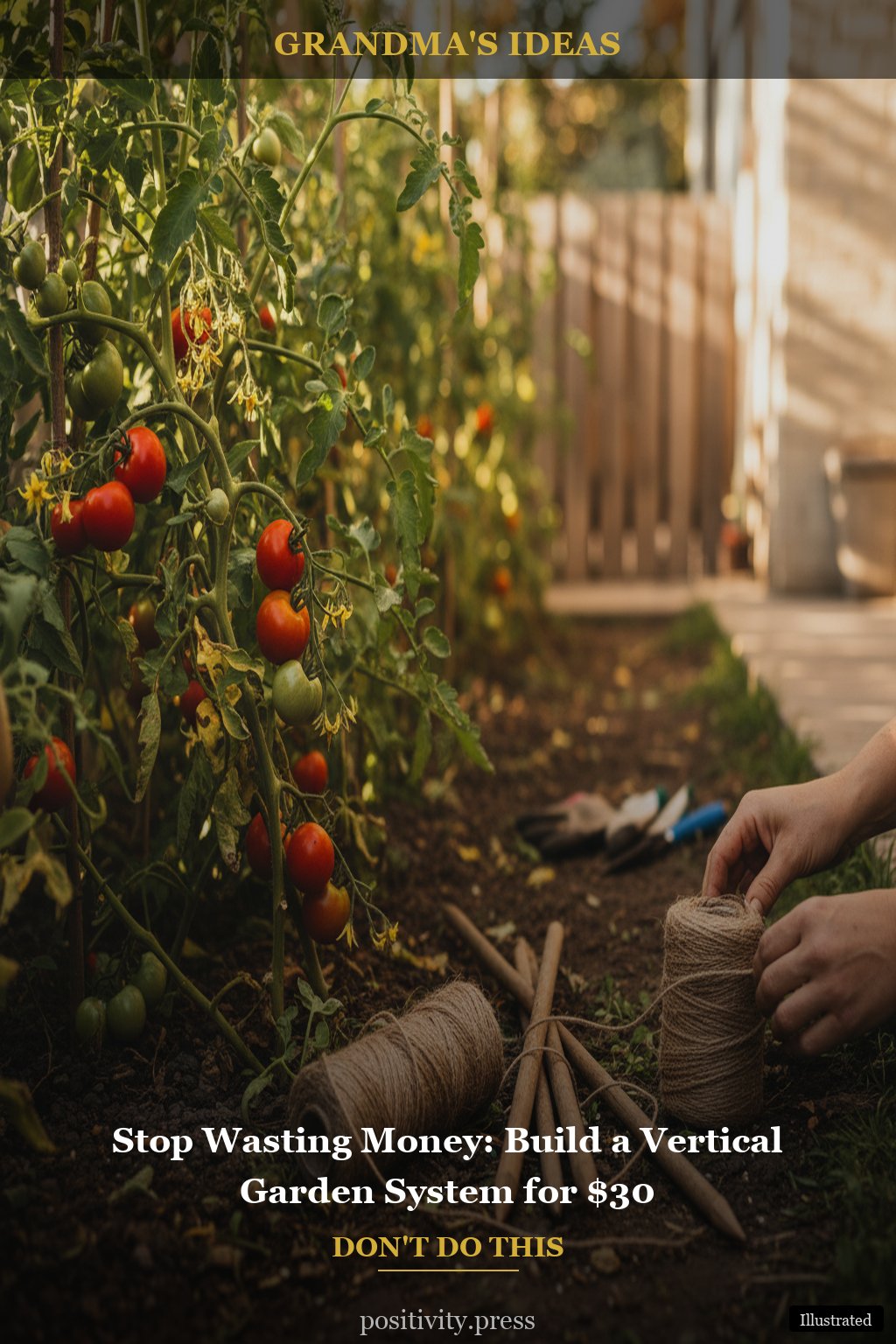
Stop Wasting Money: Build a Vertical Garden System for $30
Creating Your Vertical Garden: A Step-by-Step Guide
Last month, I tried Grandma’s old vertical gardening method. The result surprised everyone — especially me. Not only was it easy on the wallet, but it also transformed a small, unused corner of my home into a lush, green delight. Did you know that a single tomato plant can produce 10-15 pounds of tomatoes per season? Imagine the joy of plucking fresh produce right from your own vertical garden!
What You’ll Need
- Wooden pallets or sturdy reclaimed wood
- Heavy-duty gardening fabric (optional but recommended)
- Potting soil
- Your choice of small plants or herbs (think tomatoes, lettuce, or basil)
- Basic tools: hammer, nails, or screws
- Watering can or hose
With these items, you’ll be well on your way to creating a lovely vertical garden system that won’t break the bank. Here’s how to do it step by step.
A single tomato plant can produce 10-15 pounds of tomatoes per season.
1. Choose Your Space Wisely
Find a wall, fence, or even a corner of your yard that gets plenty of sunlight. A south-facing wall is often ideal for most plants.
Quick tip: If you don’t have a sunny spot outside, consider placing your vertical garden near a window indoors.
2. Build Your Vertical Frame
Using wooden pallets or reclaimed wood, create a frame that will hold your plants. Secure the pallets together with nails or screws to make a sturdy structure. This is where your plants will be housed, so make sure it’s stable!
This is the trick that changes everything: If using pallets, stack them vertically for a unique design that adds character to your outdoor space.
3. Line Your Frame (Optional)
To help retain moisture and soil, line the back of your frame with heavy-duty gardening fabric. This step is optional, but it can keep your wooden frame from rotting over time due to water exposure.
Grandma’s secret for this part: A simple fix is to use old burlap sacks or even landscape fabric if you have it lying around.
4. Fill with Soil and Plant
Fill each section of your frame with potting soil, leaving a little space at the top. Now, plant your herbs or veggies! Consider companion planting (like tomatoes with basil) to maximize space and growth.
This alone makes the biggest difference: Water thoroughly after planting, and give them a good soak to help the roots settle in.
5. Water Regularly
Your vertical garden will need regular watering, especially in hot weather. Check the soil moisture regularly and water as needed. A drip irrigation system can also be an affordable addition if you want to automate this task.
Quick tip: Water in the morning to minimize evaporation and help your plants thrive.
6. Maintain Your Garden
Keep an eye on your plants for any signs of pests or disease. Regularly pruning and harvesting will encourage healthy growth and keep your plants productive.
Quick tip: Rotate your crops each season to prevent soil depletion and pest issues.
7. Enjoy the Fruits of Your Labor
As your plants grow, you’ll be rewarded with fresh produce right at your fingertips. Whether it’s a sprig of mint for your tea or a handful of cherry tomatoes for your salad, there’s nothing quite like the taste of homegrown goodness!
Pin this before you go to the store!
What Most Guides Will Not Tell You
Many vertical gardening guides focus solely on the aesthetics, but the practical aspects are just as essential. A well-planned vertical garden not only saves space but also promotes healthier plants by providing better airflow and access to sunlight. Grandma always said that a garden should be functional and beautiful — it’s about balance.
Another often-overlooked aspect is plant selection. While it’s tempting to fill every nook and cranny, choosing the right plants for vertical gardening is crucial. Hardy herbs and compact veggies typically do best. You might also consider adding some flowers to attract pollinators!
Estimated savings: $25–$100 per project (vs $200+ retail)
Conclusion
Creating a vertical garden system on a budget is not only possible but also a rewarding experience. With just $30, you can transform any space into a thriving garden that brings joy and fresh produce to your home. Remember, the key is to use what you already have and enjoy the process of gardening, just like Grandma did for years.
Start with what you already have at home — no shopping needed.
You might also enjoy: cozy home decor ideas for fall and winter
You might also enjoy: quick weeknight dinners under 30 minutes



Post Comment